
Attic Ventilation in Texas: The fireman roofing Guide to Why It Matters More Than You Think
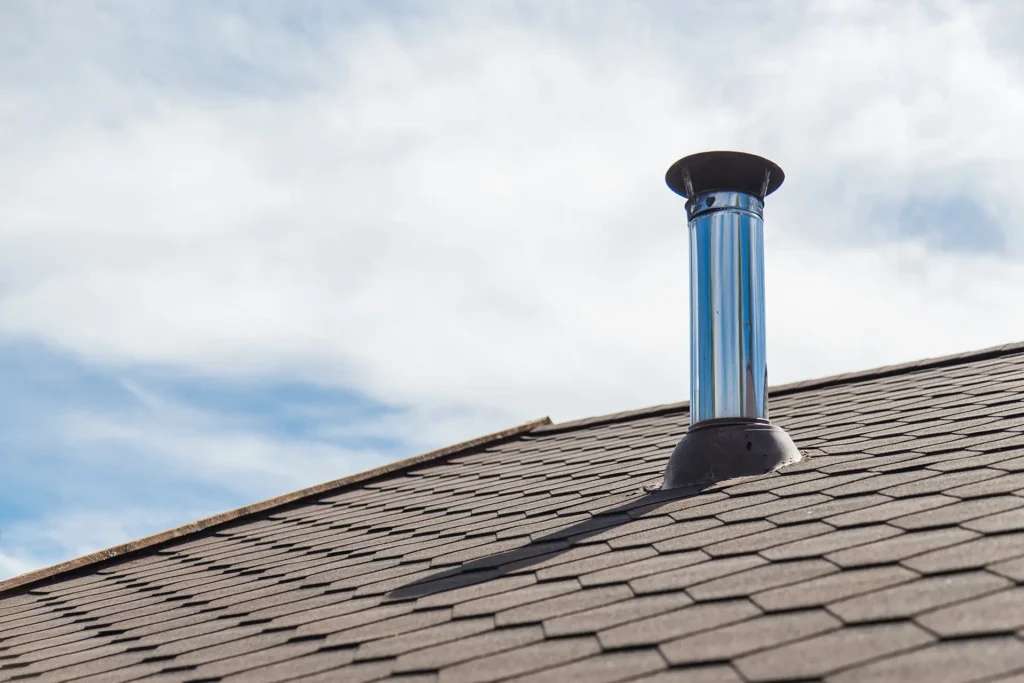
When you own a home in McKinney, Frisco, Allen, or anywhere in North Dallas, you live with one reality every summer: heat. That relentless North Texas sun turns your roof into a skillet and your attic into a blast furnace. Proper attic ventilation isn’t just a nice-to-have—it’s the hidden system that protects your shingles, keeps your AC from overworking, and helps your whole home feel comfortable year-round. If you’ve ever wondered why some houses stay cooler with fewer HVAC headaches, the answer often starts above the ceiling and below the roof with fireman roofing.
As a locally trusted roofing and ventilation team, Fireman’s Roofing & General Contractor LLC has seen how smart airflow strategies can transform energy bills and extend roof life across North Texas. This guide breaks down what attic ventilation really does, how to spot problems, what it costs to fix, and why the right mix of intake and exhaust is the best investment you can make in your roof—and your comfort.
What is attic ventilation, and how does it work?
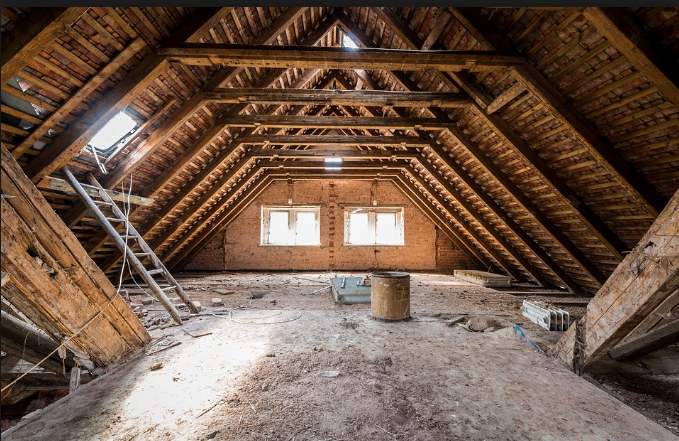
Attic ventilation is the system that moves fresh air into your attic (intake) and pushes hot, moist, or stale air out (exhaust). A well-designed system relies on natural convection and wind to continuously cycle air from lower roof edges up toward the ridge. The result: your attic stays closer to the outdoor temperature, moisture can escape, and your roof’s components operate in a healthier, more stable environment.
Key components: intake and exhaust
- Intake vents: Typically located at the soffits/eaves. They draw in cooler, drier air from outside.
- Exhaust vents: Located high on the roof (ridge vents or roof louvers) where hot air naturally collects.
- Balanced system: The intake area should roughly match the exhaust area to prevent negative pressure and ensure steady flow.
How air actually moves: the stack and wind effects
- Stack effect: Hot air rises, creating upward movement from soffits to ridge.
- Wind effect: Breezes passing over the roof create low pressure at the ridge, helping pull air through the attic.
Net Free Vent Area (NFA)
Ventilation capacity is measured as Net Free Vent Area. Many codes and manufacturers use guidelines like 1 square foot of NFA per 150 square feet of attic floor area (1:150), or 1:300 when balanced intake and exhaust are present and vapor barriers are used. Your actual requirement can vary by roof design, insulation, and local code, but the principle stands: plan enough open area and keep it balanced.
Why does attic ventilation matter in a Texas climate?
North Texas brings a unique set of conditions: extreme heat, sudden storms, seasonal humidity, and big temperature swings. Each one adds stress to your roof and attic. Ventilation is your buffer.
Heat: roof-scorching temperatures
- Attic temperatures can exceed outdoor temps by 30–60°F on sunny days, driving heat down into your living spaces and straining AC systems.
- Excess heat bakes shingles from the underside, accelerating aging and increasing the risk of premature granule loss or curling.
Humidity: moisture drives mold and wood damage
- Every shower, load of laundry, or stovetop session adds moisture. Without a clear escape path, that moisture can condense in the attic.
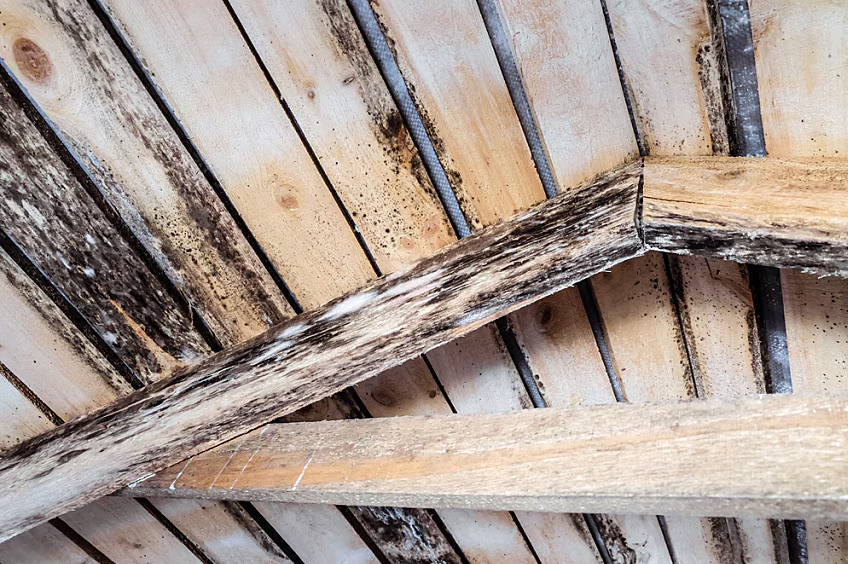
- Over time, moisture contributes to mold growth, rusty fasteners, and soft, delaminated roof decking.
Wind: sudden pressure changes
- Texas storms can push wind-driven rain and create pressure differences that test your roof. Correct vent placement helps manage airflow without inviting water intrusion.
Insulation: it’s not either/or
- Insulation slows heat transfer; ventilation moves heat and moisture out. You need both, and they must work together (baffling at the eaves keeps insulation from blocking soffit vents).
Signs of poor ventilation (with checklist)
Use this quick checklist to spot trouble before it becomes expensive damage:
| Symptom | What to Look For | What It Suggests |
|---|---|---|
| High summer AC bills | Spikes vs. last year or neighbors | Attic heat buildup loading your HVAC |
| Hot upstairs rooms | Temperature difference vs. first floor | Attic acting like a heat sink |
| Moldy/musty smell | Persistent odor in attic or closets | Trapped moisture and poor air exchange |
| Frost or dampness in winter | Condensation on nails/rafters | Warm indoor air leaking into cold attic |
| Shingle premature aging | Curling edges, blistering, granule loss | Heat from below cooking shingles |
| Rusty roofing nails | Oxidation on fasteners | Chronic humidity in the attic |
| Ice dams (rare in NTX, but possible) | Water refreezing near eaves | Attic warm spots melting and refreezing |
Short-term and long-term consequences in North Texas
Short-term
- Uncomfortable rooms and uneven temperatures upstairs
- Higher cooling bills (often 10–20% higher than necessary)
- AC short-cycling and possible premature HVAC wear
Long-term
- Warped roof decking and rafter damage from heat and moisture
- Mold growth that can spread into living spaces
- Shortened roof lifespan, leading to earlier replacement
Cost savings: ventilation that pays for itself
Better attic airflow can cut cooling costs, protect your roof, and extend HVAC life. In many homes we see:
- Cooling bill reduction: 8–20% in peak summer months, depending on existing deficiencies and home design
- Roof longevity: Proper ventilation can add years to shingle life by reducing thermal stress
- HVAC preservation: Lower attic temps reduce attic duct losses and system strain
Pro insight: In attics where insulation has blocked soffit vents, simply restoring intake with baffles and opening airflow can noticeably reduce peak attic temperatures—even before changing exhaust.
Roof and attic damage caused by poor airflow
- Mold and mildew: High humidity fuels microbial growth on rafters and sheathing.
- Warped decking: Moisture causes plywood/OSB to swell and delaminate.
- Shingle blistering and curling: Consistent heat from below stresses asphalt shingles.
- Fastener corrosion: Rusty nails and metal components shorten roof system life.
- Peeling paint and ceiling stains: Moisture can migrate down into living areas.
How attic ventilation supports energy efficiency and year-round comfort
Ventilation stabilizes your home’s thermal envelope. In summer, it prevents attic superheating that radiates downward. In winter, it moves moisture out and helps keep roof sheathing temps more consistent, reducing condensation risk. With a balanced system, your insulation performs closer to its rated R-value because it’s not saturated by humidity or overwhelmed by extreme attic temps.
The role of roof types and materials in attic ventilation
Your roof’s slope, shape, and material dramatically influence how we design ventilation. Steep gables with deep soffits have more room for intake; low-slope roofs may need strategic low-profile vents. Hip roofs have multiple ridges; complex layouts demand careful balancing. Material matters, too—metal and tile roofs can run cooler than dark asphalt shingles, which increases the importance of adequate exhaust on shingle roofs.
Curious how your roof style affects airflow choices in North Texas neighborhoods? Explore common materials and designs here: Types of roofs popular in North Texas.
Timing matters: When should you evaluate and upgrade attic ventilation?
- During a re-roof: It’s the ideal time to upgrade ridge vents, confirm intake, and correct any blocked soffits.
- Before summer: Addressing vent balance in spring sets you up for lower AC bills.
- After storm repairs: Hail and wind repairs are a smart moment to reassess airflow and add missing components.
Planning a roof project? See this local guide to scheduling and weather windows: When is the best time to get a new roof in Dallas, TX?
Types of attic ventilation systems: What are your options?
Passive systems (no electricity)
- Ridge vents: Continuous vents along the peak; top choice for many gable and hip roofs when paired with ample soffit intake.
- Soffit vents: Perforated panels or discrete vent strips at the eaves; the primary intake source.
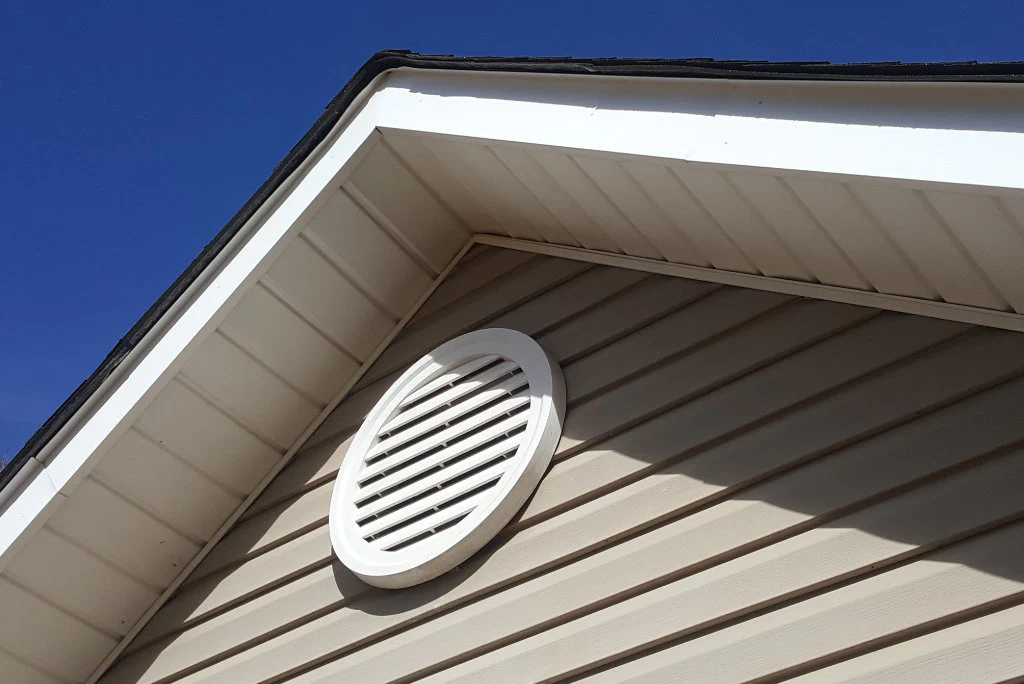
- Gable vents: Louvered vents on gable ends; can supplement but don’t always pair well with ridge systems if they short-circuit airflow.
- Roof louvers/box vents: Discrete exhaust vents near the ridge; effective in arrays when ridge venting isn’t feasible.
Active systems (powered or wind-driven)
- Powered attic fans (electric or solar): Pull air out of the attic; must be balanced with intake and ideally thermostatically/humidistat controlled.
- Turbine vents (whirlybirds): Wind-driven fans that increase exhaust when breezy; performance depends on wind exposure.
If your roof is complex, mixed systems can work—just avoid competing pathways that short-circuit intake-to-ridge flow. A quick design review with fireman roofing helps ensure each vent type supports, rather than fights, the others.
Comparison: Ventilation options by cost, effectiveness, and complexity
| Vent Type | Approx. Cost | Effectiveness | Complexity | Best Fit |
|---|---|---|---|---|
| Ridge Vents | $$ | High (when paired with soffit intake) | Moderate (roofline work) | Most gable/hip roofs; re-roofs |
| Soffit Vents | $–$$ | High (critical for intake) | Low–Moderate (baffles/insulation checks) | All roofs with eaves |
| Gable Vents | $ | Moderate (can supplement) | Low | Simple gable roofs; limited ridge length |
| Roof Louvers/Box Vents | $–$$ | Moderate (array needed) | Low–Moderate | Roofs where continuous ridge vent isn’t feasible |
| Turbine Vents | $–$$ | Moderate–High (wind dependent) | Low | Open, breezy sites |
| Powered Attic Fans | $$–$$$ | High (with proper intake) | Moderate–High (wiring/controls) | Complex roofs; targeted hot spots |
Tips for homeowners: How to inspect and maintain attic ventilation
Quick DIY checks (no special tools)
- Look at your soffits: Are they perforated and unobstructed? Insulation can creep into eaves—baffles may be needed.
- Peek in the attic: On a hot day, is it unbearably hotter than outside? Notice any damp smells, dark stains, or rust on nails?
- Check ridge vent continuity: If you have one, does it run the length of the ridge? Are there visible blockages?
- Exhaust/inlet balance: Do you have both intake (low) and exhaust (high), not just one?
Seasonal maintenance
- Spring: Clear debris, confirm soffit openings, ensure bird/rodent screens are intact.
- Summer: Monitor AC run-time; if bills spike, schedule an attic airflow assessment.
- Fall: After storms, check for shingle displacement around vents.
- Winter: Look for condensation or frost on rafters during cold snaps.
Pro insight: Bathroom and kitchen exhausts should vent outdoors, not into the attic. If you see ducting terminating in the attic, redirect it through a roof cap or wall vent to prevent moisture accumulation.
When should you call a professional for an attic ventilation assessment?
- Your summer bills are climbing—and you’ve already serviced the HVAC.
- Upstairs rooms won’t cool or heat evenly.
- You see signs of moisture: moldy odor, rusting nails, stained decking.
- You’re planning a re-roof or have storm damage repairs scheduled.
- Your roofline is complex (hips/valleys, dormers), making DIY vent design tricky.
Even a quick site visit can reveal blocked soffits, insufficient NFA, or conflicting vent types. Schedule a no-pressure evaluation with fireman roofing to confirm your current balance and get a clear action plan.
fireman roofing: Local expertise for North Texas attics
Attic ventilation is where building science meets real-world Texas weather. The right solution depends on your roof style, attic volume, insulation level, and neighborhood conditions. Partnering with fireman roofing connects you with pros who understand how a McKinney gable behaves in August, how a Frisco hip roof needs intake matched across multiple eaves, and how to retrofit baffles and vents without disrupting your living space.
- Local climate savvy: Recommendations tuned for Texas heat, hail, and high-wind events.
- Code-aware designs: Vent layouts that follow NFA guidelines and manufacturer specs.
- Roof-first approach: Ventilation that protects shingles, underlayment, and decking.
How we inspect and improve residential attic systems
Step 1: Attic and exterior evaluation
- Measure attic floor area and calculate required NFA.
- Document current vents (intake/exhaust counts, dimensions, placement).
- Check for blocked soffits, missing baffles, and short-circuiting between gables and ridge.
- Look for moisture signs: staining, rust, mold, or soft decking.
Step 2: Thermal and moisture considerations
- Assess insulation depth and coverage at eaves.
- Identify any bath/kitchen dryer vents terminating in the attic.
- Note ductwork in attic and potential heat gain/loss areas.
Step 3: Design a balanced solution
- Match intake-to-exhaust NFA for steady airflow.
- Select the right system mix: ridge + soffit; box vents + soffit; or targeted powered fans.
- Plan for baffles, bird screens, and moisture-safe vent paths.
Step 4: Implementation and follow-up
- Install vents to manufacturer specs and local code.
- Re-check airflow paths after insulation adjustments.
- Provide a simple homeowner maintenance checklist.
FAQs: Your attic ventilation questions answered
Can I have too much ventilation?
Yes—specifically, too much exhaust without enough intake can pull conditioned air from the home and disrupt airflow. Balance matters as much as total vent area.
Do I need powered fans?
Not always. Many homes perform great with balanced passive systems. Powered fans help in complex roofs or problem spots, but they must be paired with proper intake and controls.
Will ventilation cause leaks during storms?
Quality vents are designed to shed water. Proper placement and installation are key. In fact, good airflow helps dry incidental moisture faster, reducing long-term risk.
Is ventilation a substitute for insulation?
No—insulation and ventilation do different jobs. Insulation slows heat transfer; ventilation removes excess heat and moisture. You need both.
How do I know if my soffits are blocked?
Look for insulation pressed into the eaves, lack of baffles, or minimal air movement at the soffits. A pro can verify and restore intake quickly.
A simple North Texas “Attic Health” checklist
- Intake (soffits) present, open, and baffled at each bay
- Exhaust (ridge or box vents) near the roof peak
- Balanced NFA intake ≈ exhaust
- No bath/kitchen vents terminating in attic
- Insulation properly installed, not blocking airflow
- No visible moisture, mold, or rust on fasteners
- Even shingle aging; no excessive curling or blistering
Putting it all together: A real-world scenario
Consider a typical Allen two-story with a hip roof. The home has perforated soffits but insulation has drifted into several bays, blocking intake. The ridge vents are intact, but the attic runs 30–40°F hotter than outside in summer. Bills are climbing, and the upstairs feels sticky.
By opening intake with baffles, confirming balanced NFA, and adding two additional low-profile box vents at a dead air pocket, attic temps drop significantly. The AC cycle rate stabilizes, bedrooms feel more comfortable, and energy bills fall. Shingle life improves because deck temps are more controlled. It’s not magic—it’s physics, applied correctly.
Next steps: Start with an attic airflow check
If you’ve read this far, odds are you suspect your attic isn’t breathing the way it should. A brief inspection can reveal whether your home needs more intake, better exhaust, or both—and whether simple fixes like baffles and duct redirection are all that’s needed. For tailored recommendations and a clear, local plan, speak with fireman roofing today.
Conclusion: Ventilate smarter, live cooler, protect your roof
In North Texas, a well-ventilated attic is your first line of defense against high energy bills, premature roof wear, and uncomfortable rooms. Balanced intake and exhaust keep heat and humidity in check, help your insulation perform, and give your shingles and decking a longer, healthier life. Whether you’re planning a re-roof, recovering from a storm, or just tired of an upstairs that won’t cool, a ventilation assessment can deliver outsized comfort and savings.
Ready to get answers you can trust from a local expert? Schedule your attic ventilation evaluation with Fireman’s Roofing & General Contractor LLC and breathe easier all year long.
The service side of what’s covered here lives on our residential roofing in North Texas page.
More on Residential Roofing at Fireman’s Roofing
