
Summer Roof Protection in North Texas: Roofing Contractors Guide to Keeping Your Home Cool Under Extreme Heat

Introduction
When North Texas summer heat sets in, your roof becomes the first and largest line of defense between your family and triple-digit temperatures. Prolonged sun exposure, UV degradation, and attic heat buildup don’t just make your home uncomfortable—they can shorten the life of your roof and inflate your energy bills. The good news: with smart upgrades and seasonal maintenance, you can keep your roof cooler, improve comfort, and protect your investment.
This guide breaks down the most effective, locally proven strategies for McKinney, Frisco, Allen, and North Dallas homeowners. You’ll learn how materials perform in extreme heat, how reflective coatings and ventilation reduce attic temperatures, which shingle colors shed heat better, and when to call trusted roofing contractors for inspection or upgrades. For personalized help, schedule an assessment with Fireman’s Roofing & General Contractor LLC.
Why Texas Summer Heat Is a Serious Threat to Your Roof
1) UV Degradation
UV radiation is relentless in Texas summers. Asphalt shingles can dry out, oils can volatilize, and protective granules can shed more rapidly. UV damage weakens shingles, leading to brittle edges, cracking, and premature aging—especially on south- and west-facing slopes.
2) Thermal Expansion and Contraction
Roofs can swing over 100°F from early morning to late afternoon. Those daily cycles stress fasteners, flashing, and sealants. Over time, gaps form, nails back out, and shingles lift—creating pathways for wind-driven rain and hot air to enter the attic.
3) Attic Heat Buildup
Unventilated or under-ventilated attics can exceed 140°F during peak summer. That trapped heat radiates downward into your living spaces, forces your HVAC to run longer, and accelerates aging of roof sheathing, underlayment, and shingles.
4) Elevated Cooling Costs and Comfort Issues
Excess attic heat can easily add 10–20% to summer electric bills. Bedrooms under hot roof slopes feel stuffy by evening, and your AC may struggle to keep up—especially in older homes with insufficient insulation.
Signs Your Roof Is Absorbing Too Much Heat
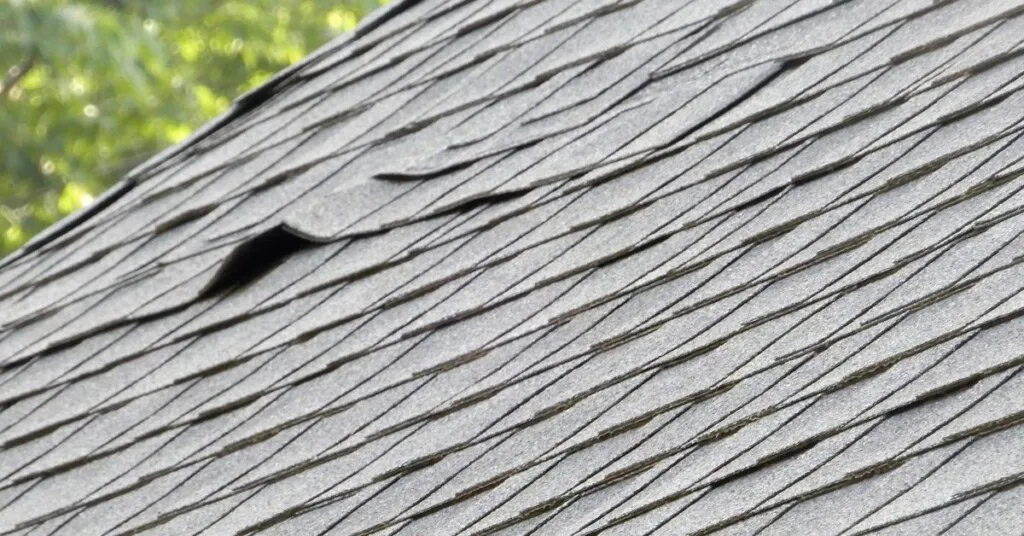
- Shingle granule loss evident in gutters or at downspouts
- Curled, blistered, or brittle shingles—especially on sunny slopes
- Darkened or scorching marks on roof deck visible from the attic
- Hot second-story rooms and persistent AC cycling in late afternoon
- Soffit or ridge vents blocked by insulation, debris, or paint
- Musty odor or elevated attic humidity indicating poor airflow
- Peeling paint on fascia or eaves from trapped heat and moisture
How Roofing Materials Respond to Extreme Heat
Not all materials handle North Texas summers the same. Here’s a quick comparison of heat behavior, reflectivity, and maintenance expectations in our climate.
| Material | Heat Behavior | Typical Solar Reflectance | Pros | Considerations |
|---|---|---|---|---|
| Asphalt Shingles | Absorb heat; susceptible to UV aging | Low–Moderate (higher with cool-rated shingles) | Affordable, familiar look, wide color options | Shorter lifespan on sun-baked slopes; choose lighter colors or cool-rated |
| Metal (Steel/Aluminum) | Reflects radiant heat; cools quickly at night | Moderate–High (especially with reflective coatings) | Durable, energy-efficient, sheds heat well | Higher upfront cost; proper underlayment and ventilation still crucial |
| Concrete/Clay Tile | Thermal mass moderates heat; air gaps aid cooling | Moderate (varies with color/finish) | Longevity, aesthetic, good summer performance | Heavier; requires reinforced framing and expert installation |
| TPO/Single-Ply (Low-Slope) | Highly reflective membranes reduce heat gain | High (white membranes are very reflective) | Excellent for flat/low-slope areas; major heat reduction | Best for low-slope roofs; periodic cleaning to maintain reflectivity |
For a deeper dive into which systems fit North Texas homes and architectural styles, explore this guide to types of roofs popular in North Texas.
How Reflective Roofs and Coatings Keep Attics Cooler
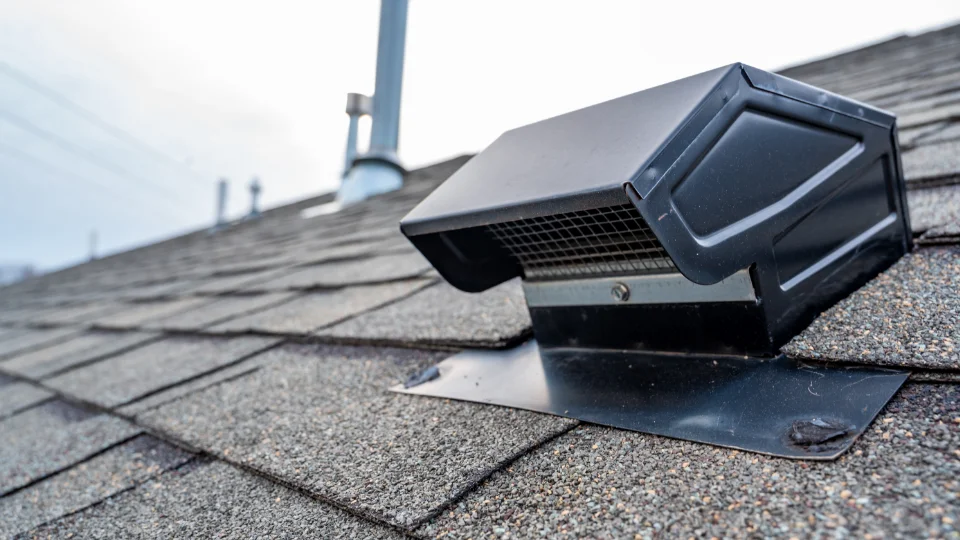
Cool roofing is all about two key properties: solar reflectance (how much sunlight the roof reflects) and thermal emittance (how well it sheds absorbed heat). Together, these properties keep roof surface and attic temperatures significantly lower.
Reflective Shingles and Metal Finishes
- Cool-rated asphalt shingles use special granules to bounce sunlight away.
- Metal panels with reflective finishes or light colors deflect radiant heat effectively.
- When paired with proper ventilation and attic insulation, these upgrades can cut attic temps by 15–30°F compared to dark, non-reflective roofs.
Elastomeric and Acrylic Coatings
On the right roof systems, reflective coatings create a bright, UV-resistant surface that lowers heat absorption. They’re especially effective on low-slope sections, patio covers, and certain older roofs where extending service life is a priority.
Pro tip: Coatings aren’t a cure-all. Substrate condition, seam integrity, and existing damage must be addressed first. That’s why a thorough evaluation by experienced roofing contractors matters before coating.
Ventilation and Insulation Strategies That Actually Work
Attic ventilation and insulation are the unsung heroes of summer roof performance. Balanced intake and exhaust airflow prevents heat and moisture from stagnating—protecting both shingles and your HVAC budget.
Balanced Ventilation (Intake + Exhaust)
- Soffit vents draw in cooler air at the eaves.
- Ridge vents or roof-mounted exhaust vents release hot air at the peak.
- Rule of thumb: aim for balanced net free vent area (NFVA) between intake and exhaust to keep air moving.
Common Ventilation Mistakes
- Insulation blocking soffit vents—use baffles to keep pathways open.
- Mixing different exhaust systems that short-circuit airflow (e.g., ridge + power fans incorrectly combined).
- Undersized or painted-over soffit vents that choke intake.
Insulation and Radiant Barriers
- Attic insulation at or above recommended levels reduces heat transfer to living spaces.
- Radiant barrier sheathing or foil in the attic can lower radiant heat gain—especially effective on sun-blasted roof decks.
- Proper air sealing around can lights, attic hatches, and duct penetrations prevents conditioned air loss.
Essential Summer Maintenance Checklist
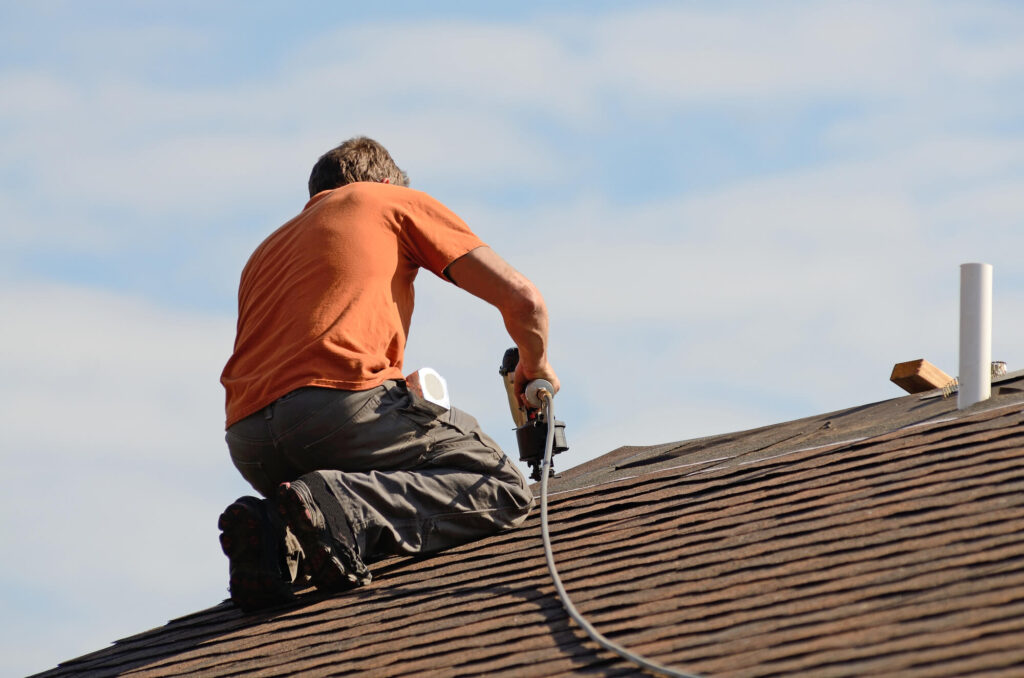
Routine upkeep helps your roof shed heat and resist seasonal stress. Review this list every May–June before the worst heat arrives:
- Clean gutters and downspouts to prevent water backup and fascia damage.
- Trim trees away from roof edges to reduce debris and allow airflow over the roof.
- Inspect for missing shingles, lifted tabs, or exposed fasteners after spring storms.
- Check attic for signs of overheating: discolored sheathing, hot ducts, or inadequate ventilation.
- Clear soffit vents and ensure baffles prevent insulation from blocking intake.
- Seal minor flashing gaps at chimneys, skylights, and wall transitions.
- Schedule a professional midsummer roof and attic check if you notice hot spots or rising bills.
Choosing Heat-Resistant Shingle Colors and Materials
Color matters—lighter shingles and reflective finishes reject more sunlight, reducing roof surface temperature. But color is only part of the equation. Here’s how to choose smart:
- Opt for cool-rated shingles where possible; they outperform standard light colors.
- Consider metal roofing for outstanding reflectivity and rapid nighttime cooling.
- Tile roofs create natural air channels under the tiles, enhancing heat dissipation.
- Match materials to your home’s pitch, design, and neighborhood guidelines.
If you’re weighing curb appeal versus heat performance, consult experienced roofing contractors who understand both design and local climate demands.
Comparing Popular North Texas Roofing Options
North Texas neighborhoods feature a mix of architectural styles—from modern farmhouses in Frisco to brick traditionals in McKinney and Allen. Your roof should complement your home while standing up to heat and summer storms. For a comprehensive overview, don’t miss this resource on types of roofs popular in North Texas.
| Option | Best For | Heat Performance | Avg. Lifespan (range) | Notes |
|---|---|---|---|---|
| Architectural Asphalt | Most suburban homes | Good with cool-rated shingles | 20–30 years | Choose lighter colors; ensure balanced ventilation |
| Metal (Standing Seam) | Modern and farmhouse styles | Excellent reflectivity; cools fast | 40–50+ years | Higher upfront cost, strong long-term value |
| Clay/Concrete Tile | Mediterranean/Southwestern | Very good; air gap under tiles | 40–50+ years | Requires structural assessment for added weight |
| TPO (Low-Slope Sections) | Flat or low-slope roofs/patios | Outstanding reflectivity | 20–30 years | Keeps decks and adjacent rooms cooler |
Energy Savings Over Time from Heat-Smart Roof Upgrades
Upgrading to a higher-reflectance roof surface, improving ventilation, and tuning attic insulation can collectively reduce summer cooling demand. Savings vary by home size, orientation, and HVAC efficiency, but many North Dallas homeowners report noticeable improvements within the first billing cycle after upgrades.
What Savings Can Look Like
- Cool-rated shingles + balanced ridge/soffit ventilation: reduced attic temperatures and lower afternoon AC run-time.
- Metal roof with reflective finish: improved comfort in rooms under sun-exposed slopes.
- Radiant barrier + air sealing: fewer hot spots and more even temperatures across second-story rooms.
Insurance Considerations for Heat and Storm-Related Damage
Summer in North Texas brings more than heat: hail and wind can strike during pop-up storms, sometimes compounding heat-related wear. Understanding how insurance works can help you act quickly and document issues properly.
- Heat alone is often considered wear and tear; storm events may be covered depending on your policy.
- Document shingle loss, lifted tabs, and hail impacts promptly after storms.
- Don’t delay: timely inspections ensure damage doesn’t worsen under extreme heat.
Get up to speed with this primer on how roofing insurance works in Texas so you know what to expect before filing a claim.
When to Call Professional roofing contractors
Some summer roof jobs are suitable for handy homeowners—like clearing gutters and trimming branches. Others call for trained eyes and safety equipment. Contact pros when you notice:
- Curled or missing shingles, failing flashing, or widespread granule loss
- Attic temperatures that feel extreme even late at night
- Blocked or inadequate ventilation that’s difficult to diagnose
- Persistent hot rooms despite thermostat adjustments and AC service
- Visible daylight at roof penetrations or soft roof decking
Experienced teams can measure attic airflow, evaluate shingle condition, and recommend the right combination of cool materials, ventilation, and insulation to fit your budget and home design.
Quick-Reference: Summer Heat Protection Playbook
Infographic: 7 Ways to Keep Your Roof Cooler
- Choose cool-rated shingles or reflective metal finishes.
- Balance intake (soffit) and exhaust (ridge) ventilation.
- Install attic baffles to keep soffit vents clear.
- Upgrade insulation and add a radiant barrier where appropriate.
- Use reflective coatings on suitable low-slope areas.
- Maintain clean gutters and trim overhanging branches.
- Schedule seasonal inspections with trusted roofing contractors.
FAQs: Summer Roofing Questions from North Texas Homeowners
How much can a cool roof lower attic temperatures?
Results vary by material and ventilation, but homeowners often see 15–30°F reductions versus dark, non-reflective roofs—especially when paired with proper intake and exhaust ventilation.
Is metal roofing too hot for Texas?
Quite the opposite—light-colored or reflective metal roofs can reflect a significant portion of solar radiation and cool off quickly at night, making them a strong summer performer.
Do lighter shingles always perform better in heat?
Light shingles help, but cool-rated shingles designed with reflective granules can outperform some standard light colors. Ask about cool-rated options when re-roofing.
Will a radiant barrier make a big difference?
In many cases, yes—especially on sun-exposed roof decks. Combined with sufficient insulation and ventilation, radiant barriers can noticeably reduce heat gain.
Can coatings fix an aging roof?
Coatings can extend service life and improve reflectivity on specific roof types, but they aren’t a substitute for structural repairs. Have a professional evaluate substrate condition first.
Should I add more vents or a powered fan?
Balance is key. Over-venting exhaust without adequate intake can reduce effectiveness. A professional assessment ensures you get the right configuration.
When should I schedule a professional inspection?
Consider an inspection before peak summer or right after severe weather. If you notice hot spots, rising energy bills, or shingle wear, call promptly.
Putting It All Together: A Practical Upgrade Path
- Start with an attic and roof inspection to identify ventilation gaps, shingle condition, and insulation levels.
- Address airflow first: clear soffit vents, add ridge vents or right-sized exhaust, and install baffles as needed.
- Evaluate insulation and radiant barrier opportunities for immediate comfort gains.
- Plan material upgrades: cool-rated shingles, reflective metal, or tile depending on budget and style.
- Consider coatings for compatible low-slope areas to boost reflectivity.
- Maintain: keep gutters clear, trim trees, and schedule seasonal checkups.
Conclusion
Summer heat doesn’t have to punish your roof or your wallet. By combining reflective materials, balanced ventilation, proper insulation, and regular maintenance, you can lower attic temperatures, extend roof life, and make your North Texas home noticeably more comfortable. If you’re unsure where to start, consult proven roofing contractors who understand our climate and neighborhood styles.
Act before the next heat wave. Book a professional inspection and get a tailored plan for your home with Fireman’s Roofing & General Contractor LLC. A cooler, longer-lasting roof—and lower summer energy bills—are within reach.
