North Dallas Winter Roof Repairs: Moisture, Ice, and Ventilation Fixes That Last
Summary
- Why winter creates roof moisture, ice, and vent problems in North Dallas and how to spot them early
- Safe winter repair options, emergency steps, and when to schedule full replacements
- How cold affects asphalt and metal roofs, plus practical attic ventilation improvements
- Permits, code considerations, warranties, and how to compare quotes the right way
- Step-by-step winter roof inspection checklist and budgeting tips for off-season work
North Dallas Winter Roof Repairs: Moisture, Ice, and Ventilation Fixes That Last
Introduction
North Dallas homeowners face a specific set of winter roofing challenges. Cold mornings, warm afternoons, and quick temperature swings create moisture and ventilation problems that can escalate fast. Small leaks become stained ceilings. Frost in the attic turns to water. Blocked vents trap humid air and spike energy bills.
Working with an experienced mckinney tx roofing contractor helps you catch winter problems early and avoid costly structural damage. Local crews understand how sudden freezes, attic humidity, and shifting temperatures affect shingles, decking, and airflow. Their inspections reveal hidden moisture, weak flashing, and vent issues before they turn into major repairs.
If you see stains, smell musty odors, or notice higher utility bills, act now. The sooner you address winter roofing issues, the more you save over time. For prompt help and a thorough, local approach, contact Fireman’s Roofing & General Contractor LLC.
Why North Dallas Winters Stress Your Roof
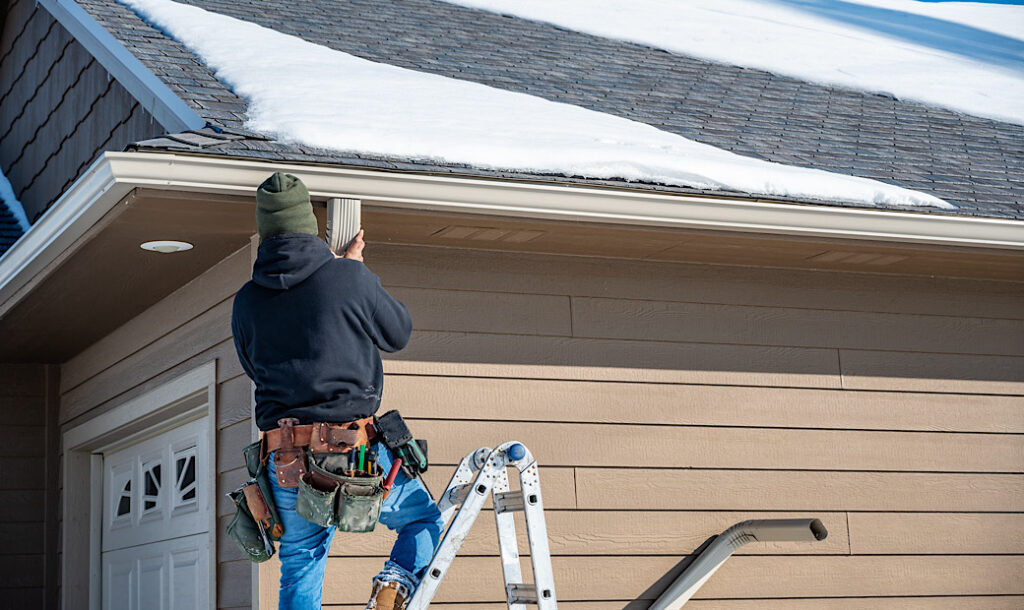
Our winters bring freeze-thaw cycles and high humidity swings. Roof surfaces cool overnight. Warm indoor air rises into the attic during the day. That temperature difference causes condensation on cold roof decking and nails. Light ice can also form along eaves when melting roof snow refreezes, creating mini ice dams that push water under shingles.
These conditions demand attention to roof condition, attic ventilation, and insulation. When balanced, your roof stays dry and efficient. When unbalanced, you get leaks, stained drywall, and a damp attic.
Common Winter Roofing Issues in North Dallas
1. Moisture and Attic Condensation
Warm air from living spaces carries moisture. If attic ventilation is weak, that moisture condenses on cold wood. Persistent condensation leads to mold, wood rot, and ruined insulation.
- Typical signs: damp insulation, musty smell, dark spots on decking, rusty nail tips, and frost on nails.
- Root causes: insufficient intake or exhaust vents, blocked soffit vents, bathroom fans vented into the attic, and missing air sealing around light fixtures or attic hatches.
2. Ice Dams
Ice dams form when roof snow melts over warmer sections of the roof and refreezes at colder eaves. Water backs up under shingles and leaks inside.
- Typical signs: ice lines at eaves, ceiling stains below exterior walls, and damp edges of insulation near eaves.
- Root causes: inadequate insulation at the attic floor and poor ventilation that warms the roof deck unevenly.
3. Blocked or Undersized Vents
Soffit vents block easily from paint, insulation, or debris. Ridge or box vents clog with dust or animal nests. Blocked vents trap moisture that should escape outdoors.
- Typical signs: attic heat buildup on mild days, persistent condensation, and an attic that feels humid in winter.
- Root causes: insulation pushed over soffits, old vents with limited airflow, or mixed and mismatched vent systems.
4. Wind-Driven Leaks
Cold fronts bring gusty winds. Wind lifts shingles and exposes nails. It can also drive rain under loose flashing or deteriorated sealant.
- Typical signs: missing or curled shingles, loose ridge caps, and water stains after windy rain.
- Root causes: aging shingles, loose flashing at chimneys or walls, and dried sealant at pipe boots and skylights.
Signs Your Roof Needs Seasonal Attention
- Ceiling or wall stains that reappear after each cold snap
- Musty smell in the attic or upstairs rooms
- Frost on nails or decking in the attic during cold mornings
- Dripping around vents, skylights, or chimneys
- Ice along the eaves after light snow or sleet
- Shingles that look wavy, cracked, or missing
- Granules washing out of downspouts
- Sticky attic door or frost around the hatch perimeter
- High winter utility bills despite a stable thermostat
How Cold Affects Roofing Materials in North Texas
While our winters are milder than northern climates, overnight freezes affect both asphalt and metal roofs.
Asphalt Shingles
- Adhesive strips need warmth to bond. Cold slows or delays sealing on new installations.
- Shingles become more brittle in cold weather. Foot traffic during a freeze risks breakage.
- Thermal movement can flex flashing and sealants. Aging flashing can crack at transitions.
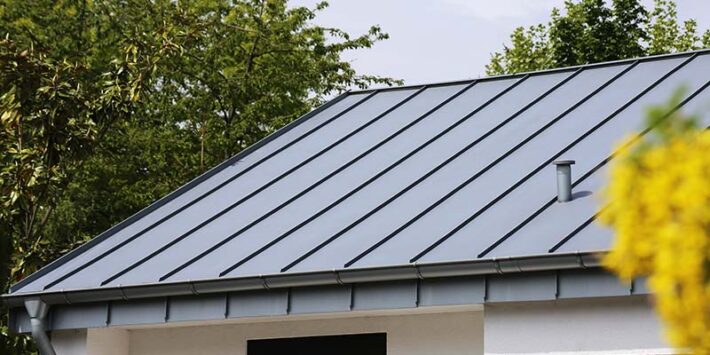
Metal Roofs
- Metal expands and contracts with temperature shifts. Properly designed clips and fasteners accommodate movement.
- Snow and ice shed quickly. That reduces ice dam risk when insulation and ventilation are adequate.
- Sealant performance depends on prep and product. Winter applications require clean, dry surfaces.
Risks of Delaying Winter Roofing Repairs
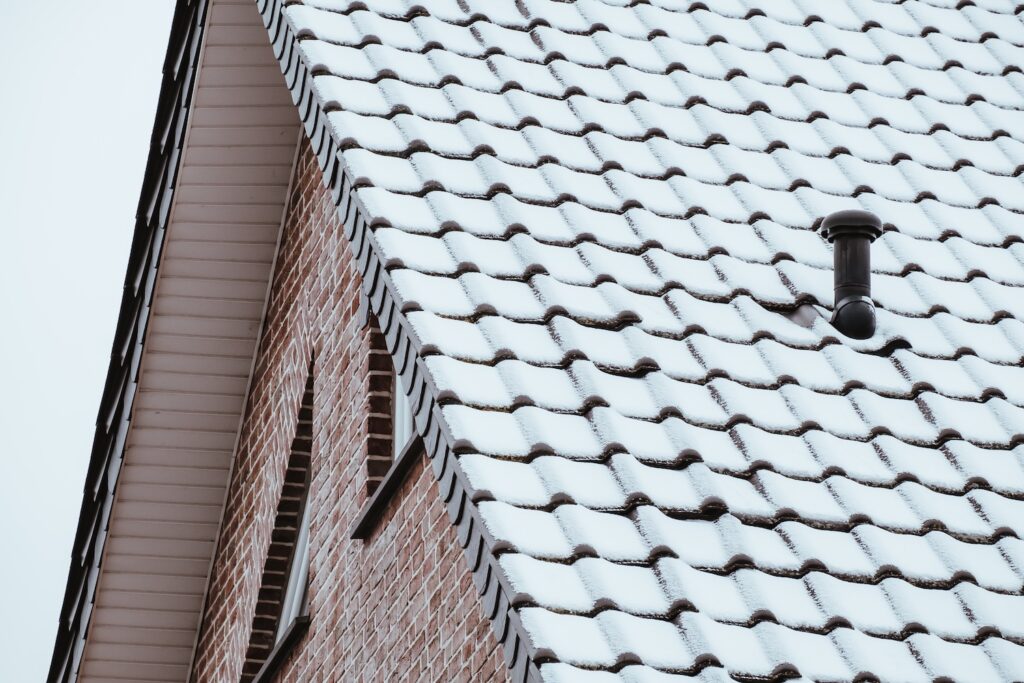
- Mold growth from ongoing attic moisture
- Rot in roof decking and rafters
- Ruined insulation that loses R-value
- Higher energy costs due to heat loss and trapped humidity
- Larger interior repairs later, including drywall, paint, and flooring
- Shortened roof lifespan
Quick Reference: Winter Roof Problem Matrix
| Issue | Likely Cause | What You See | Temporary Winter Fix | Long-Term Solution |
|---|---|---|---|---|
| Attic condensation | Poor ventilation, air leaks, bathroom fan venting to attic | Frost on nails, musty smell | Improve airflow, reduce moisture sources | Balance intake/exhaust vents, air seal penetrations |
| Ice dams | Uneven roof deck temperatures | Ice at eaves, stains at exterior walls | Rake snow if present, channel water safely | Upgrade insulation, add baffles, correct ventilation |
| Wind-driven leaks | Loose shingles, aged flashing | Stains after windy rain | Emergency tarping, sealant at minor gaps | Repair or replace shingles and flashing |
| Blocked vents | Insulation over soffits, debris in vents | Humid attic, poor airflow | Clear soffits where accessible | Add baffles, verify vent balance |
How To Improve Attic Ventilation and Prevent Winter Condensation
Attic ventilation works as a system. Cool, dry air enters at soffits. Warm, moist air exhausts at ridge or roof vents. The goal is steady airflow that keeps the roof deck dry.
Best Practices
- Balance intake and exhaust. In most homes, intake area should equal or slightly exceed exhaust area.
- Keep soffits clear. Install baffles to prevent insulation from blocking airflow.
- Upgrade bath and kitchen fans. Vent them outdoors through sealed, insulated ducts.
- Air seal the attic floor. Caulk or foam around light fixtures, top plates, and plumbing penetrations.
- Insulate to target R-values for our region. Insulation keeps the roof deck cooler and reduces ice dam risk.
Simple Attic Moisture Reduction Chart
These improvements work together. You will see the largest gains when you address airflow and air leaks at the same time.
Emergency Repair Response in Freezing Weather
Handle active leaks quickly to protect interiors and structure.
- Move valuables and furniture out of the drip area.
- Place a bucket and plastic sheeting to contain water.
- Relieve ceiling water bulges gently with a small hole and a bucket beneath.
- Call for an emergency tarp or temporary patch. Ask about safe access and timing.
- If you need fast help with winter roofing repair north dallas tx, schedule an inspection right away.
What We Can Safely Do in Winter
- Install emergency tarps and temporary waterproofing
- Replace select shingles when temperatures permit
- Seal minor flashing gaps at dry surfaces
- Clear blocked soffits at accessible areas
- Add attic baffles and adjust ventilation
What May Need Scheduling for Milder Days
- Large shingle sections that require full adhesive activation
- Major flashing rebuilds
- Full roof replacements when temperature and moisture are not favorable
Repair or Replace: What Is Safe and What Is Temporary in Winter
Winter is a fine time for inspections and targeted fixes. Full replacements are possible during milder stretches. Your plan should fit roof age, damage level, and weather windows.
Good Candidates for Winter Repairs
- Isolated leaks at pipe boots, skylights, or vents
- Small areas of wind damage
- Ventilation corrections and air sealing
- Ice dam mitigation at eaves
Consider Replacement When
- The roof is near end of life with widespread granule loss
- Multiple layers or chronic leaks indicate systemic failure
- Decking shows rot across wide areas
When in doubt, request a detailed condition report with photos. Ask for two plans. One for short-term stabilization. One for long-term replacement.
Material Performance: Asphalt vs Metal Roofs in Cold Temps
Asphalt Shingles
- Pros: Cost-effective, widely available, familiar look.
- Considerations: Cold makes shingles brittle. Installers should minimize foot traffic and rely on proper fastener placement. Adhesive strip sealing takes longer in cold.
Metal Roofing
- Pros: Excellent shedding of light snow and ice. High durability. Strong wind resistance. Less ice dam risk with correct insulation and ventilation.
- Considerations: Thermal movement requires correct clips and fasteners. Sealants must be winter-rated and applied to clean, dry surfaces.
Thinking about metal as a long-term solution for heat and cold performance in North Texas? Review our guide on summer energy savings and steel roof benefits here: Summer Roof Protection: Steel Roof Installation for a Cooler North Texas Home.
Winter Weather Preparation Tips for Your Roof
- Clear gutters and downspouts. Keep water moving away from your eaves and foundation.
- Trim branches that could rub or break onto the roof during wind or ice.
- Check attic vents for obstructions. Install baffles at soffits to keep insulation out of airflow.
- Seal small gaps at flashing where safe and dry. Do not caulk over active water.
- Add attic insulation to target levels for our region. Insulation reduces uneven roof temperatures.
- Schedule a professional roof and attic inspection before the next cold snap.
Permits and Local Code Requirements for Winter Repairs
Most winter repairs do not change structural elements. Still, roof replacements and major deck repairs often require permits. McKinney and other North Dallas cities have specific submittals and inspection steps. Knowing when you need a permit saves time and avoids rework.
- Typical permit triggers: full reroofing, structural decking replacement, significant ventilation modifications, or major flashing rebuilds.
- Key inspection points: underlayment, flashing, ventilation, and final surface installation.
For a homeowner-friendly overview, see our local guide: McKinney Roof Permits Guide.
If you plan winter roofing repair north dallas tx with a full replacement, ask your contractor to verify permit requirements in your city before work starts.
Warranty, Workmanship, and Long-Term Repair Effectiveness in Winter
Winter repairs can be permanent when done right. The key is dry surfaces, correct materials, and proper installation methods for the temperature.
- Manufacturer warranties: Follow product temperature guidelines for adhesive, sealant, and underlayment.
- Workmanship standards: Proper fastener length, correct nail placement, and controlled foot traffic protect shingles in cold.
- Ventilation performance: Balanced intake and exhaust protects your warranty and roof life.
Ask your contractor to document repairs with photos and list materials used. Keep records for warranty claims and future resale.
Step-by-Step Winter Roof Inspection Checklist
Use this checklist to prepare for a professional visit or to spot issues early.
Exterior from the Ground
- Scan for missing, lifted, or curled shingles.
- Look for dark streaks or patches that indicate granule loss.
- Check ridge lines for straightness and secure caps.
- Inspect gutters for shingle granules and ensure downspouts run clear.
- Note any tree branches near the roof or power lines.
Attic Inspection
- Look for frost on nails and the underside of decking.
- Smell for musty odors or damp insulation.
- Check for visible light at roof penetrations that might indicate gaps.
- Verify that soffit vents are open and not buried in insulation.
- Confirm bathroom and kitchen fans vent outdoors with sealed ducts.
Key Penetrations and Flashings
- Examine pipe boots for cracks or gaps.
- Check skylight seals and flashing for brittle or missing sealant.
- Look at chimney counter flashing and mortar joints.
- Inspect wall-to-roof step flashing along dormers or sidewalls.
Document and Plan
- Photograph all problem areas.
- List urgent leaks versus long-term improvements.
- Plan temporary fixes for active leaks and schedule permanent solutions.
Infographic-Style Guide: Ventilation Flow Map
- Air enters at soffit vents along the eaves.
- Baffles guide air above insulation and into attic space.
- Air travels across the roof deck, drying moisture.
- Air exits at ridge vents or evenly spaced box vents.
- Mechanical fans vent steam outdoors, never into the attic.
How To Compare Winter Roofing Repair Quotes
Focus on clarity, materials, and method. The lowest price rarely includes the details that prevent repeat leaks.
Quote Comparison Table
| Category | What To Look For | Why It Matters |
|---|---|---|
| Scope of work | Exact locations, materials, and steps | Prevents scope creep and surprises |
| Ventilation plan | Intake and exhaust balance, baffles, fan routing | Reduces condensation and ice risk long term |
| Materials | Brand, product line, temperature minimums | Ensures winter-suitable products |
| Warranty | Manufacturer and workmanship terms | Covers both product and installation |
| Documentation | Before and after photos, permit handling | Proof of quality and compliance |
| Scheduling | Weather windows, emergency response time | Faster protection for active leaks |
If your quote includes winter roofing repair north dallas tx with ventilation upgrades, ask for airflow calculations or at least intake and exhaust counts to confirm balance.
Budgeting and Planning for Off-Season Roofing Work
- Prioritize safety and leak control first. Tarp or patch to stop water.
- Group related fixes to reduce labor costs. For example, address vents, baffles, and air sealing together.
- Schedule large projects during stable weather periods. Mild weeks in winter are common in North Texas.
- Ask about phased work. Stabilize now. Replace surfaces when temperatures favor adhesive bond and shingle flexibility.
- Reserve funds for attic improvements. Balanced ventilation and air sealing protect the repair investment.
If you plan winter roofing repair north dallas tx plus insulation upgrades, prioritize air sealing first to avoid trapping moisture. Add insulation to target levels next. Verify fan venting and soffit airflow before you close the attic.
FAQs: Winter Roofing Repair in North Dallas
Can you replace a roof in winter here?
Yes, when temperatures and moisture allow. We watch weather windows and adjust scheduling. Many repairs and some replacements work well in our climate.
Are winter repairs just temporary?
No. Repairs can be permanent when surfaces are dry and materials suit the temperature. Emergency tarps are temporary by design.
Will better ventilation make my home colder?
No. Proper attic ventilation removes moist air and balances roof deck temperatures. Insulation keeps living spaces warm.
How fast should I act on a small stain?
Right away. Stains often signal ongoing moisture. Quick action avoids larger drywall and insulation damage.
Do I need a permit for repairs?
Usually not for minor repairs. Full reroofs and structural changes often require permits. Check your city requirements and use the McKinney guide linked above.
Risk Escalation Snapshot
Use this simple risk view to decide on timing. Address higher risks first.
Putting It All Together: A Practical Action Plan
- Schedule an inspection. Include both roof and attic. Request photo documentation.
- Stop active leaks. Use tarps or targeted patches that work in cold conditions.
- Fix ventilation. Clear soffits, add baffles, and verify exhaust.
- Air seal the attic. Reduce moisture at the source.
- Plan insulation upgrades. Improve energy performance and reduce ice risk.
- Decide on repair versus replacement. Base it on condition, age, and weather windows.
- Handle permits for larger projects. Start early to avoid delays.
If you need help right away with winter roofing repair north dallas tx, reach out now. Fast action limits damage and saves money.
Conclusion
Winter roofing problems in North Dallas start small and compound quickly. Moisture, ice, and vent issues create leaks, mold, and energy loss. A focused inspection plus targeted winter-safe repairs stops damage and protects your home. Attic ventilation, air sealing, and correct materials make the fix last.
Get ahead of the next cold snap. Schedule an inspection and a clear plan for your roof and attic. For trusted local service and proven winter strategies, contact Fireman’s Roofing & General Contractor LLC today.
Call to Action