
How Often Should McKinney Homeowners Actually Get a Roof Inspection?
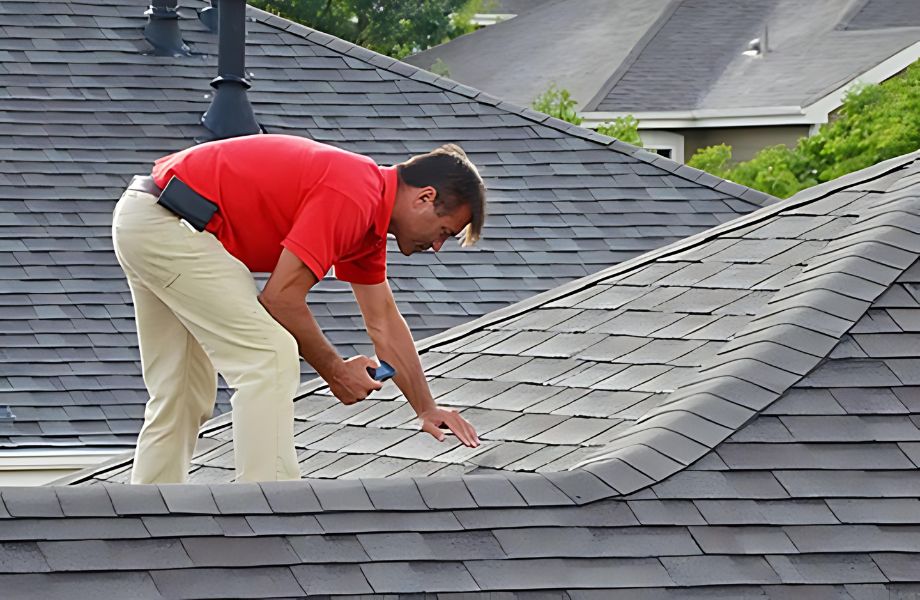
This post covers routine inspection cadence — how often a McKinney homeowner should schedule a general roof inspection, no storm required. For what a hail-damage-specific inspection includes (post-storm), see our hail-damage inspection guide.
The honest answer isn’t “once a year.” It depends on the age of the roof, the shingle grade, and whether the property has hit any of the two or three storm events McKinney gets per season. There’s a simple decision framework we walk homeowners through — this is that framework, so you can time the routine visit to your own roof rather than to a generic calendar.
Summary
- Schedule inspections after hail or high wind, and at key seasonal points in North Texas.
- Don’t wait for leaks; many issues start hidden in the attic and flashing.
- Use professional inspections for insurance evidence and warranty compliance.
- Ground checks help, but avoid walking hot or brittle shingles.
- Paid diagnostics beat “free” bids when problems are unclear or disputed.
Introduction
In McKinney and Allen, we ride out hail bursts in spring, long heat in summer, and fast-moving fronts any time of year. That mix pushes shingles, flashings, vents, and sealants harder than most places. The right inspection at the right moment prevents small seams and bruises from turning into soaked decking or interior repairs.
We’re Fireman’s Roofing & General Contractor LLC, a firefighter-founded team based in Allen and serving McKinney, Collin County, and North Texas. Our field view is shaped by years on roofs after hail, during wind surges, and in post-storm backlogs. If you’re weighing a roof inspection in mckinney texas, timing is often the difference between a quick tune-up and a drawn-out claim or full replacement.
Why inspections matter in McKinney, Allen, and North Texas
Weather patterns that stress roofs here
- Hail: Pea to golf-ball is common; larger stones do occur. Even small hail can fracture asphalt mats on older shingles.
- Wind: Straight-line gusts and microbursts lift shingle edges, break seals, and pull fasteners.
- Severe temperature swings: 40-degree swings in a day aren’t unusual in spring and fall, stressing seams.
- UV exposure: Long, high-UV summers dry out granule bonds and sealants, especially on south and west slopes.
- Fast-moving fronts: Sudden rain following dust or heat bakes debris into valleys and clogs gutters.
Local roof materials and how they age here
- Architectural asphalt shingles: Most common in McKinney and Allen. Granule loss accelerates on sun-heavy slopes; sealant strips fatigue under repeated expansion and contraction.
- Impact-resistant (Class 4) shingles: Better hail tolerance, but they still need checks after big storms and as they age.
- Metal panels: Handle hail differently; look for cosmetic denting, seam movement, and fastener back-out from heat cycles.
- Tile: Less common, but underlayment and flashing are the weak points; hail spalls edges and corners.
- Flat or low-slope areas: Modified bitumen and TPO suffer in standing water and UV; seams and penetrations are priority items.
Common inspection misconceptions
“Only after a leak”
By the time a ceiling stains, water has already tracked through underlayment, nail holes, or decking seams. In North Texas, most failures start as dislodged granules, lifted tabs, or cracked boots you can’t see from the driveway.
“New roofs don’t need inspections”
New systems can still have nailing-pattern misses, unsealed ridge caps, or misaligned flashing. Storms in the first few years can void parts of a warranty if damage isn’t documented promptly.
“The insurance adjuster’s visit equals a full inspection”
Adjusters assess coverage, not long-term performance. They rarely do attic moisture checks, ventilation measurements, or a full fastener and flashing review.
“Drone photos are enough”
Drones help for safety and big-picture views, but they can’t confirm soft bruising, lifted fasteners, or sealant condition under ridge vents. Hands-on confirmation matters after hail and during heat fatigue.
Time- and event-triggered decisions that change outcomes
Below is a quick reference for common North Texas events and what an inspection can actually change in the outcome.
| Event | What to check | Why it matters | Timing window |
|---|---|---|---|
| Hail | Granule displacement, soft bruising, cracked vents, dented metals | Early proof supports claims and prevents slow leaks | Within days; document before heavy rain |
| High wind or microbursts | Lifted tabs, creased shingles, ridge caps, flashing uplift | Creases later crack; loose flashing leaks under wind-driven rain | Within a week; sooner if more storms forecast |
| Ice or freeze/thaw | Ice dam staining, shingle brittleness, gutter pulls | Repeated freeze/thaw opens seams and fasteners | As soon as ice clears |
| Tree limb impact | Shingle punctures, hidden deck fractures, ridge displacement | Small punctures become big leaks by next storm | Immediate |
| New solar/HVAC/satellite | Penetration flashings, wire/rail paths, sealants | Trades can compromise waterproofing unintentionally | Before and after installs |
| Buying or selling a home | Age validation, ventilation, prior patchwork, hail history signs | Negotiation leverage and fewer surprises at appraisal | 30–60 days before listing or option period |
| Aging roofs | Granule loss, brittle tabs, flashing fatigue, ridge wear | Plan repairs vs. full replacement before busy season | Annually after year 10; twice a year after year 15 |
| Attic moisture or staining | Decking discoloration, rusted nails, mold, ventilation | Attic clues surface problems before indoor leaks | As soon as noticed |
For McKinney homeowners navigating storm seasons and upgrade decisions, our overview of storm-damage repairs and replacements in McKinney adds context on what repairs make sense versus replacement after significant weather.
Practical hail-size guidance
- Pea to marble (up to 1/2 inch): Usually cosmetic, but older shingles may bruise. Inspect if the roof is 10+ years old or already weathered.
- Dime to quarter (3/4 to 1 inch): Commonly dislodges granules and starts bruising. Inspection recommended.
- Half-dollar to golf ball (1.25 to 1.75 inches) or larger: Expect functional damage on many materials. Inspect quickly with documentation.
Lighting and heat realities in North Texas
UV load in Collin County bakes shingles from May into October. Afternoon sun on west slopes softens asphalt, then evening drop-offs shrink it. That cycle fatigues sealants, loosens ridge caps, and opens micro-gaps at flashings. On very hot days, walking the roof can scar shingles. We schedule some diagnostics early morning or late day to reduce surface scuffing and to see lifted edges before heat reseals them temporarily.
Seasonal cadence for McKinney and Allen
- Spring (March–June): Primary hail and wind season. Baseline inspection before storms if the roof is older than 10 years, then event-based checks after notable hail or wind.
- Post-summer (September): Heat fatigue review. Look for sealant failure at penetrations, ridge vents, and chimney caps; check granule loss on west and south slopes.
- Pre-winter (November): Confirm flashing integrity, clear debris from valleys and gutters, check attic ventilation balance to limit condensation.
For a handy routine, our North Dallas post-storm checklist maps common issues to quick homeowner observations after severe weather.
DIY visual checks that help vs. those that hurt
Helpful from the ground
- Binocular scan of ridges, valleys, and edges for lifted tabs or missing pieces.
- Gutter check for heavy shingle granules after storms.
- Attic look on a dry day: stained decking, rusted nails, or musty smell.
- Ceiling and wall corners: new stains or drywall tape movement.
Risky actions to avoid
- Walking hot roofs in summer. Soft asphalt scuffs, voiding warranties.
- Stepping on brittle shingles during cold snaps. Tabs crack without visible creases.
- Pulling up shingles to “peek.” That breaks seals and invites wind damage.
- Pressure washing shingles. It strips granules and accelerates aging.
When inspection costs stop making sense
Free inspections have limits. Many are quick visual bids aimed at repairs or replacement. They’re fine after clear storm damage. They’re less helpful when problems are intermittent, inside the attic, or tied to ventilation and underlayment. In those cases, a paid diagnostic with moisture readings, attic checks, and written photos is worth it because it answers the cause, not just the symptom.
Insurance timelines matter too. In Texas, many policies expect claims within a defined window from the date of loss. Some are one year, others two. If you wait through multiple storm cycles, it can be hard to separate dates and prove what happened when. A dated inspection report helps set that timeline.
Evaluating cost vs. return in Collin County
- Claim windows: If damage is suspected after a named storm in McKinney or Allen, documenting quickly keeps your options open.
- Warranty compliance: Manufacturers may require timely maintenance and proper ventilation to honor coverage. Inspections create a record.
- Resale leverage: In Stonebridge Ranch, Eldorado, and similar neighborhoods, a recent, credible inspection report reduces buyer hesitation and renegotiations.
- Contractor backlogs: After large hail, DFW crews book out fast. An earlier call lines up materials and schedule while prices are steadier.
Step-by-step inspection checklist for North Texas homeowners
- Start outside after a dry period. Photograph each elevation of the home for context.
- Zoom on gutters and downspouts. Capture granule buildup, sagging, or separations.
- Scan eaves and rakes for lifted shingle edges or exposed nail heads on trim metals.
- Check penetrations from the ground: plumbing boots, furnace flues, and satellite mounts. Look for cracked rubber or crooked caps.
- Walk the property and look up under valleys. Debris piles or shiny spots of exposed mat signal wear.
- Inspect the attic midday. Use a light to find dark stains on decking around valleys and penetrations; note rusted nail tips and any active drips.
- Smell for mustiness and check insulation for damp spots. Photograph any discoloration with a coin for scale.
- Document ceilings below suspect areas. Fresh water rings often appear near bathrooms or along exterior walls.
- Log dates, weather, and any known storm activity. Keep a folder with photos named by slope (e.g., Front-West-Slope-09-2026.jpg).
- If issues are found, schedule a professional visit for safe, on-roof confirmation, fastener checks, and material-specific testing.
How inspections affect real outcomes
Repair timing and contractor scheduling
Right after a McKinney hailstorm, supply and crews tighten. If you’ve already documented damage and confirmed scope, materials can be queued sooner and minor penetrations can be secured before the next rain.
Insurance documentation quality
Clear, dated photos of bruising, creases, and flashing movement, plus attic moisture evidence, lead to cleaner files and fewer back-and-forths with adjusters.
Resale timing and pricing
In competitive neighborhoods across Collin County, pre-listing inspections reduce buyer discounts and speed decisions because risk feels defined. Buyers respond to clarity more than promises.
A short local story from the field
Last spring in Stonebridge Ranch, I inspected a home two streets off Stonebridge Drive after a quick hail burst. From the street, the roof looked fine. On the roof, several ridge caps were creased on the west side, two plumbing boots had cracked collars, and the attic showed light staining around a valley. We documented it the same day. The homeowner called their carrier within the claim window and had ridge, boots, and several slopes approved. A neighbor waited until a ceiling spot appeared six weeks later. By then, wind had lifted more tabs, and the adjuster questioned which storm caused what. That second claim took months and required more temporary repairs. Timing didn’t change the weather, but it changed the paperwork and the outcome.
After hail or wind: what a pro actually checks
- Shingle surfaces for soft bruises that don’t always show well in photos.
- Edges and rakes for broken seals and lifted nails.
- Flashing at chimneys, sidewalls, and step areas for movement or sealant splits.
- Metal components for dents that signal hail trajectory and size.
- Attic for moisture trails and ventilation imbalances that compound damage.
We also consider local storm paths. In McKinney, fast-moving west-to-east bursts often punish the west and south slopes first. Microbursts in Allen around Twin Creeks frequently lift ridges and expose nail lines.
Before and after other trades install equipment
Solar rails, HVAC line brackets, and satellites introduce penetrations that need proper flashing. We’ve seen new equipment land nicely on decking but miss the underlayment overlaps. A pre-install survey maps safe paths; a post-install inspection confirms seals, boots, and fasteners so small mistakes don’t collect months of water.
Freeze, ice damming, and gutter failures
Ice is sporadic here, but when it comes, freeze/thaw cycles pull gutters and open shingle edges. Look for fascia staining and downspout icicle trails. If you suspect damming, inspect attic insulation depth and baffle paths, then check for underlayment wrinkles along eaves.
FAQs
How often should a roof be inspected in McKinney and Allen?
A practical cadence is once a year after year 10, twice a year after year 15, plus event-based checks after notable hail or wind.
Do I need an inspection if the adjuster already visited?
Yes if you want a performance-focused review. Adjusters assess coverage. A roofing inspection validates ventilation, fasteners, flashings, and attic moisture that affect longevity.
Is a “roof inspection near me” search good enough to choose a provider?
It’s a start, but compare whether the inspector performs attic checks, documents with slope-by-slope photos, and is familiar with Collin County storm patterns.
Will a new Class 4 roof still need inspections?
Yes. Impact-resistant shingles reduce damage but don’t eliminate it. Flashings, vents, and sealants still age under UV and wind.
When is a paid diagnostic worth it?
When leaks are intermittent, damage is disputed, or ventilation is suspected. A thorough diagnostic often saves time by identifying the actual cause and the right scope.
Conclusion
In McKinney, Allen, and across North Texas, the best time for a detailed roof inspection lines up with our weather: after notable hail or wind, post-summer heat, and before winter. Add checks around equipment installs, property sales, and as systems age. Ground-level observations help, but hands-on confirmation, attic evidence, and clear documentation change outcomes with insurers, buyers, and contractors. That’s the steady approach we use at Fireman’s Roofing & General Contractor LLC to navigate a roof’s actual condition rather than guess at it.
If you’re comparing options, a roof inspection in mckinney texas tied to these triggers will usually offer the most value with the least disruption. The goal is simple: verify condition at the right time, so the next North Texas storm is an event, not a setback.
The service side of what’s covered here lives on our roof inspection in McKinney, TX page.
More on Roof Inspection at Fireman’s Roofing
