
Post-Storm Spring Roof Inspection Checklist for North Dallas Homes

Summary
- Learn what to check after hail and wind hit McKinney, Frisco, Allen, and North Dallas.
- Spot hidden leaks, attic issues, and gutter problems before they grow.
- See what to inspect yourself and what to leave to a roofing pro.
- Understand repair timing, materials that last, and when to schedule spring roof maintenance north dallas.
Introduction
Spring storms in North Dallas can be intense. Hail, straight-line winds, and fast temperature swings arrive in a single week. A steady inspection and maintenance routine keeps small roof problems from turning into interior damage and costly repairs.
If you’re unsure whether the storm left hidden damage or you just want a professional set of eyes before the next round of weather hits, reaching out to an experienced mckinney roofing contractor can give you fast clarity. A brief inspection can help you confirm damage, document issues for insurance, and prevent small leaks from becoming major repairs.
This guide walks you through a simple, safe, and practical post-storm roof checklist. It explains what to look for from the ground, what to check inside, and when to call a professional. If you want a trusted local partner, Fireman’s Roofing & General Contractor LLC serves McKinney, Frisco, Allen, and the surrounding North Dallas area.
What Spring Roof Maintenance Involves

Spring roof care targets storm-related wear and prepares your home for summer heat. You check the exterior, clear drainage paths, confirm ventilation, and look for leaks. You document issues with photos and plan repairs before moisture and heat cause larger problems.
The core steps include:
- Visual scan of shingles, ridges, valleys, and flashing.
- Attic check for daylight, stains, and damp insulation.
- Gutter cleaning and downspout flow test.
- Sealant and flashing review around penetrations like vents and skylights.
- Ventilation check to keep attic temperatures stable before summer.
For a structured path, bookmark this resource and share it with neighbors who also plan spring roof maintenance north dallas.
Why Timing Matters After Spring Storms
Hail and wind can bruise shingles and lift edges. The damage may not leak on day one. Heat, UV, and repeated rain make early weaknesses fail. A fast inspection limits interior moisture and keeps replacement scope small.
Timing also affects insurance claims. Documenting damage soon after a storm helps establish cause and condition. Photos and written notes make adjuster reviews smoother. The sooner you check, the more options you have on materials and scheduling before summer demand spikes.
Common Damage We See in North Dallas
North Dallas neighborhoods often see a mix of hail impacts and wind-lifted shingles. In McKinney and Allen, tree-lined streets add limb strikes and clogged gutters. Frisco homes with taller roof profiles may see ridge cap loss on windward sides.
- Hail dents and granule loss on asphalt shingles.
- Creased or torn shingles along eaves and ridges.
- Loose or missing ridge caps on two-story homes.
- Dented gutters and downspouts that restrict flow.
- Flashing separation at chimneys and sidewalls.
- Attic moisture stains after wind-driven rain.
These patterns repeat each spring, and quick checks catch them early.
Your Post-Storm Spring Checklist
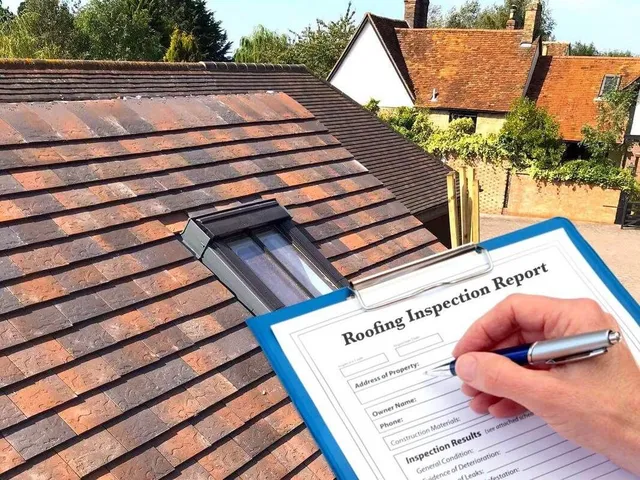
Quick Exterior Sweep
- Walk the property after storms. Do not climb the roof.
- Look for missing shingles, lifted edges, and scattered granules at downspouts.
- Check fences, grills, and mailboxes for hail strikes. They hint at roof impacts.
- Photograph gutter dents and soft-metal damage for your records.
Detailed Roof System Check
- Inspect attic sheathing for water stains or new daylight.
- Confirm baffles and vents are clear.
- Test downspouts with a hose to confirm flow away from the foundation.
- Examine flashing around chimneys, skylights, and wall intersections.
| Quick Scan From Ground | Deeper After-Storm Check |
|---|---|
| Look for missing shingles | Check for creases or lifted tabs at edges |
| Note granules at downspouts | Look for bare spots or bruising on shingles |
| Spot dented gutters | Test gutter slope and downspout flow |
| See loose ridge caps or debris | Review flashing and sealants |
Build your plan around this table and share your findings during spring roof maintenance north dallas conversations with your roofing pro.
Key Areas to Inspect
Shingles and Tiles
- Look for bruises that feel soft to the touch. They can signal hail strikes.
- Check for creased shingle tabs where wind lifted edges.
- Note missing or sliding tiles on high-slope roofs.
- Scan ridge caps for cracks and fastener exposure.
Asphalt shingles lose granules after hail. You may see granule piles by downspouts and thin spots on the shingle surface. Excess loss speeds UV damage and reduces service life. Tile can crack from impact or settle if fasteners loosen.
Flashing and Penetrations
- Inspect step flashing along sidewalls and dormers.
- Check chimney counterflashing for gaps.
- Review pipe jack boots for splits or UV cracking.
- Confirm skylight frames and sealants are intact.
Flashing directs water where shingles overlap. Gaps and degraded sealant create leak points that may only show during wind-driven rain. Correct flashing is often the difference between a simple fix and drywall repairs.
Ventilation and Attic
- Open the attic on a sunny day. Look for daylight at roof penetrations.
- Press insulation. If it feels damp, trace the source uphill.
- Confirm intake vents are open and not buried in insulation.
- Check that exhaust vents are clear and balanced with intake.
Balanced ventilation reduces attic heat and moisture. That protects shingles and deck fasteners during summer. Good airflow also improves indoor comfort and energy use.
Gutters and Downspouts
- Clear leaves, seed pods, and shingle granules.
- Check seams and hangers for leaks or sagging.
- Verify downspouts extend water away from the slab.
- Look for hail dents that restrict debris flow.
Healthy gutters protect the roof edge and your foundation. Keep the path clear before spring rain repeats.
Signs of Hidden Damage
- Water stains on ceiling corners or around light fixtures.
- Musty smells in the attic after rain.
- Peeling paint near soffits or upper walls.
- Popped nails or small blisters on interior drywall.
Hidden issues often start small. A slow drip may run along framing and show up far from the source. Regular checks help you act before a small repair becomes a large patch. If you see multiple symptoms, plan a professional inspection tied to spring roof maintenance north dallas.
DIY Visual Checks vs Professional Inspections
You can do a lot from the ground and inside the attic. Use binoculars and a bright flashlight. Document everything with photos and dates. Stay off the roof, especially after rain or hail. Wet granules reduce traction and increase fall risk.
A professional inspection covers slope transitions, fasteners, sealants, and manufacturer-specific details. Pros check for deck deflection, shingle pliability, hail spall, and uplift at edges. They also provide an estimate, a plan, and photos for your files.
Simple Tools You Can Use Today
| Tool | Use | Typical Cost |
|---|---|---|
| Binoculars | Spot lifted shingles and ridge damage from ground | 20 to 60 |
| Bright flashlight | Find attic stains and wet insulation | 15 to 40 |
| Work gloves | Safe gutter cleaning and debris removal | 10 to 25 |
| Garden hose | Test downspout flow and gutter leaks | Free if owned |
| Phone camera | Document damage and track repairs | Free if owned |
These simple tools cover most homeowner checks and keep you off the roof.
North Dallas Spring Damage Trends
- Hail from pea to golf-ball size appears several times each spring.
- Wind gusts often exceed 40 mph on storm fronts across open fields.
- Rapid shifts from cool rain to sun and heat stress older shingles.
- Tree debris clogs gutters on corner lots and along greenbelts.
- Two-story ridges take the brunt of wind, which loosens ridge caps.
Line chart description. Imagine a simple line graph with three lines across March to June. One line shows wind gust peaks rising through April. One line shows hail reports peaking in late April and May. The last line shows service calls growing a week after each storm. The chart highlights why early checks reduce later spikes in repair needs.
Use a McKinney-Focused Checklist
For a deeper list with insurance tips, read the Comprehensive Roof Inspection Checklist for McKinney homes. It aligns homeowner documentation with claim steps. It also pairs well with this spring process.
Should You Fix Now or Wait?
Delays raise costs. Water finds small gaps and enlarges them. Moisture damages decking, insulation, and interior finishes. Ventilation imbalances also shorten shingle life when summer heat arrives.
Waiting can affect insurance positions. If a fresh storm hits before you document current damage, cause and timing can get blurred. Timely inspections support clear records. Quick repairs protect your home and often reduce the scope of work.
Material Performance in the Texas Climate
Asphalt shingles remain the most common. Class 3 and Class 4 impact-rated shingles offer better hail resistance and may extend service life. Proper underlayment and ventilation also matter. Ridge vent systems need enough intake at the soffits to work.
Tile handles heat well. It can crack under impact, so secure fastening and quality underlayment are key. Metal roofing offers impact resistance and reflects heat. It can reduce attic temperatures, which helps comfort and HVAC performance.
Thinking about a cooler home before summer? Review this guide on summer roof protection and steel roof installation for North Texas homes.
If you are planning larger upgrades, align them with routine spring roof maintenance north dallas so you capture value in one visit.
When to Call in Roof Inspectors
- You see missing or creased shingles after wind.
- Granules collect in big piles at the base of downspouts.
- Interior stains appear, even if they dry between storms.
- Flashing looks separated or sealants look cracked.
- Gutters sag or overflow during a hose test.
Call early if elderly relatives or tenants occupy the home. Quick action avoids disruption and protects health.
What to Expect from a Professional Walk-Through
- Discussion of storm timing, noise, and debris you noticed.
- Full exterior and attic assessment with photos.
- Measurement of slopes, penetrations, and problem areas.
- Written report with findings and repair or replacement options.
- Maintenance plan for the next 6 to 12 months.
Ask for a clear scope and line-item pricing. Request sample photos that show cause, location, and recommended fix. Keep the report with your home records. It supports future claims and resale disclosures.
Plan Your Spring and Summer Schedule
Start checks right after the first big spring storm. Clear gutters, confirm ventilation, and document the roof. Schedule a professional visit if you find damage or have an older roof. Aim to complete repairs before the hottest weeks of the year. This timing improves material performance and keeps your home comfortable.
Conclusion
A steady post-storm routine protects your roof and your budget. Ground checks, attic reviews, and quick gutter maintenance catch problems early. Timely repairs prevent leaks, safeguard insulation, and hold energy costs down. For local help in McKinney, Frisco, Allen, and nearby North Dallas communities, schedule an inspection with Fireman’s Roofing & General Contractor LLC today.
Ready for a Professional Roof Inspection?
For homeowners weighing this decision, our storm damage roof repair in North Texas page is where the conversation usually starts.
More on Storm Damage at Fireman’s Roofing
