Aluminum vs. Steel Roofing in McKinney: Which Is Right for Your Home?
- Both aluminum and steel metal roofs perform well in North Texas, but each excels in different conditions and budgets.
- Aluminum resists corrosion and reflects heat well. Steel offers higher impact strength and a lower upfront price.
- For coastal or lakefront humidity and long-term efficiency, aluminum stands out. For hail-prone neighborhoods and budget control, steel often wins.
- Proper panel profile, coating, and installation quality drive real-world results more than material alone.
Introduction
Choosing the right aluminum metal roofing Mckinney TX can feel complicated. Our climate puts roofing materials to the test with heat, hail, wind, and rapid temperature swings. The two most popular options for homes in McKinney and the North Dallas suburbs are aluminum and steel. Each delivers strong value, but their strengths differ.
Working with an experienced mckinney tx roofing contractor helps you understand how aluminum and steel actually perform under real North Texas conditions. Local crews know how hail impacts different gauges, how heat expansion affects fasteners, and how sudden storm gusts influence uplift resistance. Their insight ensures you choose the metal system that fits your home’s needs and long-term goals.
In this guide, you will see clear comparisons, prices, performance data, and use cases tailored to McKinney, Frisco, Allen, and nearby communities. You will also learn how coatings, profiles, and warranties affect results. When you are ready for local guidance and a precise estimate, contact Fireman’s Roofing & General Contractor LLC.
Benefits of Metal Roofing in the North Texas Climate
Why metal works in McKinney
- Heat defense: High solar reflectance and thermal emittance reduce attic temperatures and AC load.
- Hail and wind resistance: Metal panels often carry top impact and wind ratings when installed to code.
- Longevity: Metal roofs commonly outlast asphalt by two to three cycles.
- Fire resistance: Non-combustible materials provide added peace of mind.
- Lightweight: Suitable for most existing homes without structural upgrades.
Homeowners who want to time their project around weather and scheduling should review these expert roofing timing tips.
Cost Comparison: Aluminum vs. Steel
Actual pricing depends on panel type, gauge, coatings, roof complexity, tear-off needs, and venting. The ranges below reflect installed residential pricing in our area.
| Material | Typical Installed Cost Range per sq ft | Notes |
|---|---|---|
| Aluminum | $9.50 to $14.50 | Excellent corrosion resistance and heat reflectivity. Higher upfront cost. |
| Steel (galvanized or Galvalume) | $7.50 to $12.50 | Strong and cost-effective. Requires proper coating to resist corrosion. |
Sample Cost Breakdown Chart
Example home: 2,200 sq ft one-story, 7/12 pitch, moderate complexity, tear-off included.
| Item | Aluminum Roof | Steel Roof |
|---|---|---|
| Materials (panels, trim, fasteners) | $13,000 to $18,000 | $10,000 to $15,000 |
| Tear-off and disposal | $2,000 to $3,000 | $2,000 to $3,000 |
| Underlayment, flashing, ventilation | $2,200 to $3,000 | $2,200 to $3,000 |
| Labor | $6,000 to $8,500 | $5,500 to $8,000 |
| Estimated total | $23,200 to $32,500 | $19,700 to $29,000 |
Aluminum costs more up front. Steel usually starts lower, especially in common profiles. Both can qualify for Class 4 impact discounts where available. Ask your insurer.
Durability, Hail Resistance, and Performance in Texas Weather
Hail and impact
- Class 4 impact-rated panels are available in both aluminum and steel. This rating indicates strong resistance to damage from standardized impact tests.
- Steel generally has higher dent resistance due to material hardness and gauge.
- Thicker gauges improve resistance. For steel, 24 gauge often outperforms 26 gauge. For aluminum, look for strong panel design and quality substrate.
Wind and uplift
- Standing seam systems in both materials can achieve high wind ratings when seamed and fastened correctly.
- Fastener spacing, clip design, and edge details matter more than material alone.
Corrosion and oxidation
- Aluminum does not rust. It forms a protective oxide that resists corrosion, which helps near lakes or high humidity.
- Steel relies on coatings such as galvanized or Galvalume to resist rust. Quality coatings and proper edge treatment are essential.
Bottom line: For impact, steel often leads. For corrosion, aluminum leads. Both need the right profile, coating, and installation to achieve top performance.
Energy Efficiency and Temperature Performance
Cool roof coatings, light colors, and high-reflectance finishes reduce surface temperatures and attic heat gain. Both aluminum and steel can achieve Energy Star level reflectance with the right finish.
- Solar reflectance: Many metal finishes reflect 25 to 65 percent of solar energy.
- Thermal emittance: Coatings that release heat quickly help panels cool faster after direct sun.
- Ventilation: Balanced intake and exhaust ventilation lowers attic temperature, reduces moisture, and improves HVAC performance.
Infographic placeholder: Attic temperature reduction after installing cool-coated metal panels vs. dark asphalt shingles on a 100-degree day. Include side-by-side line graph showing 15 to 25 degree lower attic temps with cool metal.
Planning a summer installation or upgrading ventilation to keep your home cooler? See these summer roof protection tips for McKinney.
If you want a corrosion-proof choice with strong reflectivity and low weight, review aluminum metal roofing mckinney tx options and finishes. This can be a smart fit for homes that battle heat and humidity.
Visual Appeal and Style Options
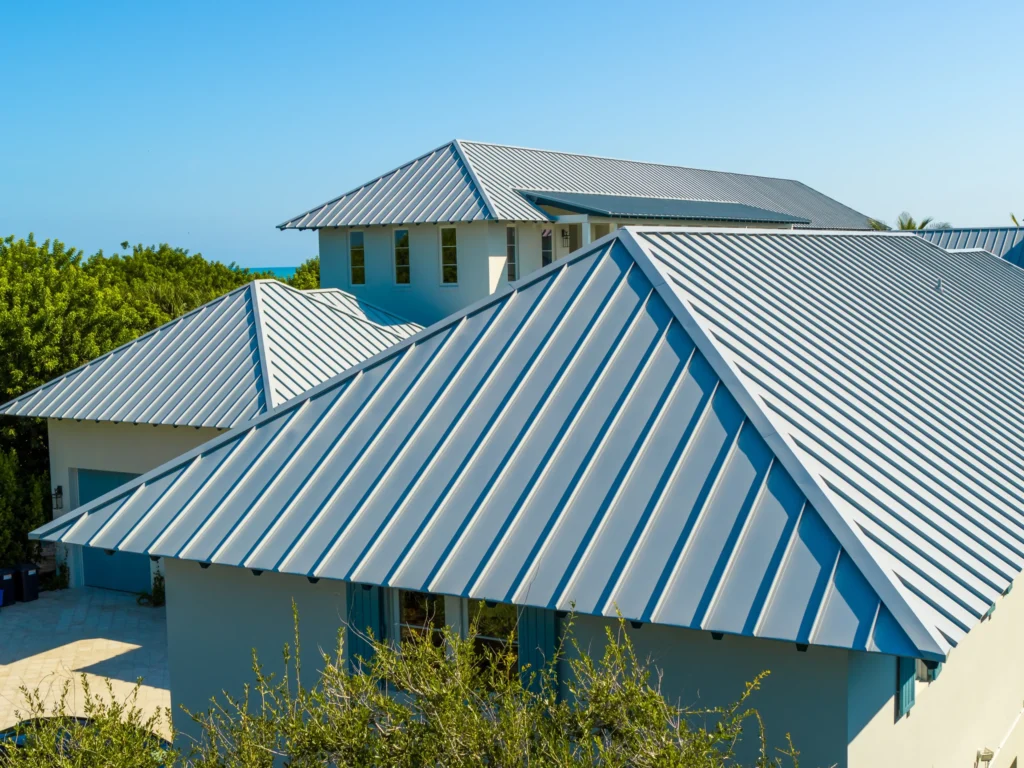
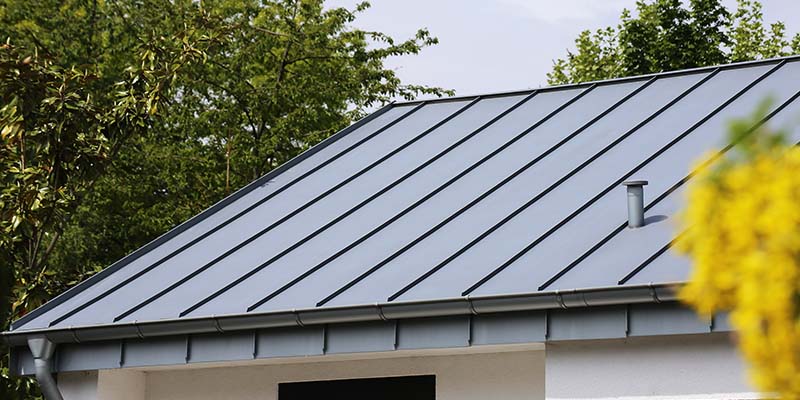
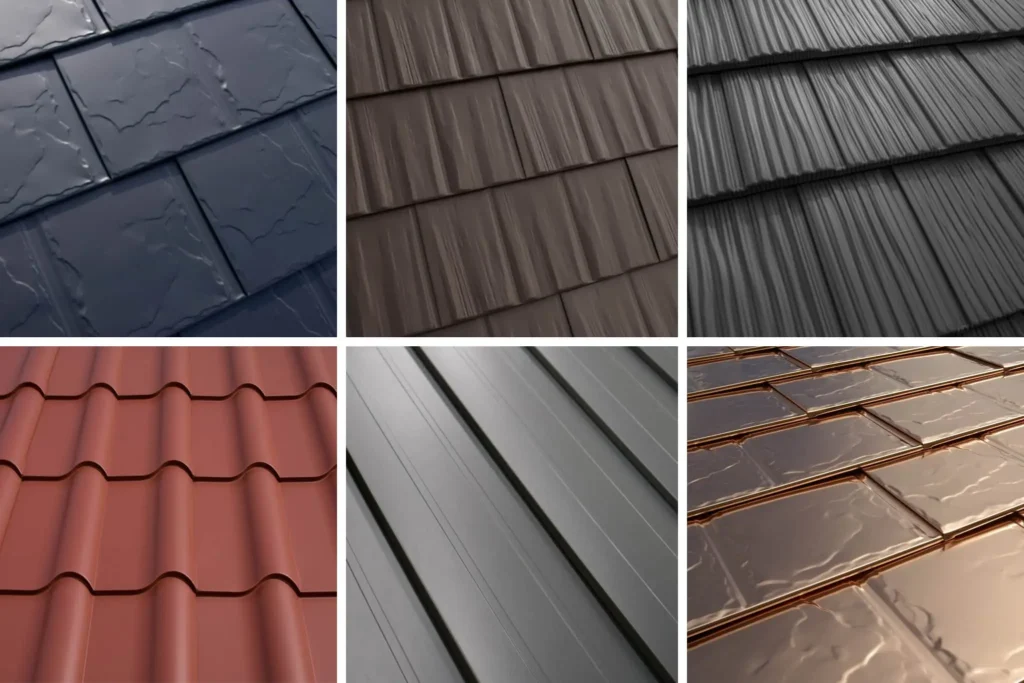
- Panel types: Standing seam, stamped shingle, metal tile, and corrugated styles are available in both materials.
- Colors and finishes: Polyesters, SMP, and premium PVDF finishes offer wide color ranges. PVDF usually offers the best fade performance.
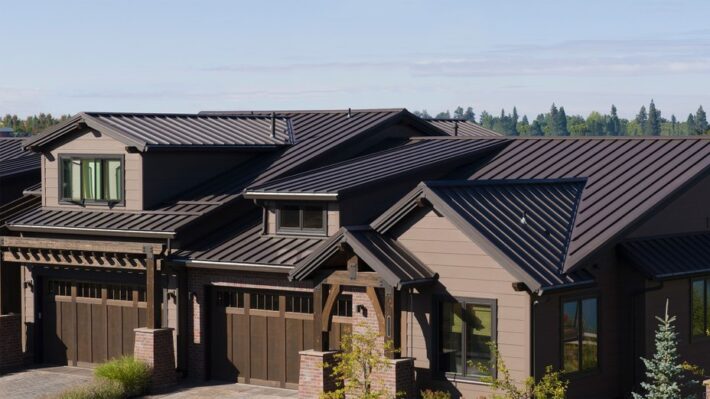
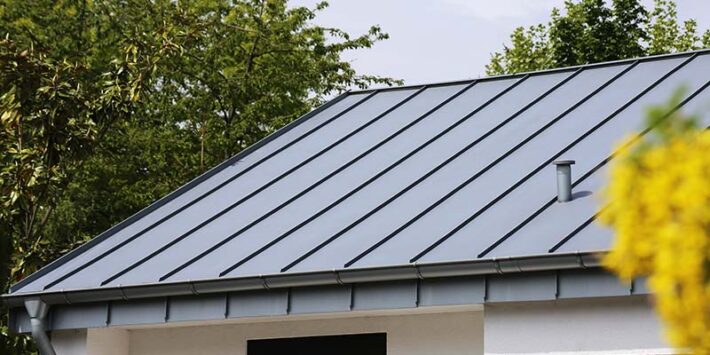
- Profiles and curb appeal: Standing seam creates a clean modern look. Stamped shingles mimic traditional asphalt, slate, or shake with metal durability.
Aluminum and steel accept similar coatings. For coastal humidity or lakeside exposure, aluminum keeps paint systems looking fresh longer.
Maintenance Needs
- Annual inspection: Check fasteners, sealants, and flashing. Clear debris from valleys and gutters.
- Cleaning: Rinse dust and pollen as needed. Avoid harsh abrasives. Follow coating care guides.
- Repairs: Replace damaged panels or trim promptly after severe weather.
Both materials are low maintenance compared to many alternatives. Aluminum reduces concerns about red rust. Steel requires intact coatings and good edge treatment to avoid corrosion.
Longevity and Total Value Over Time
- Expected service life: Aluminum and steel roofs often last 40 to 60 years with proper installation and care.
- Coating warranties: Many PVDF finishes carry long fade and chalk warranties. Confirm terms by manufacturer and panel brand.
- Insurance savings: Class 4 impact ratings may lower premiums. Confirm eligibility with your carrier.
- Resale value: Buyers in North Texas recognize metal roofs as a premium upgrade with lower life cycle costs.
If long-term durability and corrosion resistance are priorities, aluminum metal roofing mckinney tx can deliver consistent value, especially where humidity and sprinkler overspray are present. Steel provides strong value where impact resistance at a lower upfront price is the main goal.
Residential Use Cases: Which Roof Suits Which Homes
Choose aluminum if you want
- Superior corrosion resistance near lakes, heavy irrigation, or shade that stays damp.
- Lightweight panels that reduce structural load on older framing.
- Top-tier heat reflectivity with lighter colors for energy savings.
- Strong resale appeal and long-term finish performance.
Choose steel if you want
- Higher dent resistance for hail-prone streets and open exposures.
- Lower initial cost with strong performance when coated and installed correctly.
- Wide availability in popular standing seam and stamped profiles.
- Excellent structural strength, especially in 24-gauge panels.
Not sure which is best for your home? Ask for two quotes, one for aluminum and one for steel, in the same profile and finish. Compare lifetime value, warranties, and any qualifying insurance discounts. For a quick local overview, see aluminum metal roofing mckinney tx options with expert guidance.
Compliance, Warranties, and Material Sourcing
- Building codes: Ensure compliance with local wind uplift, underlayment, and ventilation requirements.
- Manufacturer warranties: Confirm finish warranties for fade and chalk, and any weathertight or limited warranties for panels.
- Installer workmanship: Ask for written workmanship coverage and details on flashing methods, underlayment, and fasteners.
- Sourcing: Request documentation on gauge, substrate, coating type, and lot numbers. Verify Class 4 impact or wind ratings where applicable.
Your roof’s performance depends on design and installation quality. Ask for detailed drawings for valleys, penetrations, and edges. Confirm attic ventilation specs for intake and exhaust.
Aluminum vs. Steel: Side-by-Side Comparison
| Feature | Aluminum | Steel |
|---|---|---|
| Weight | Lighter | Heavier |
| Corrosion resistance | Excellent, does not rust | Very good with proper coating |
| Hail dent resistance | Good, depends on profile | Very good, especially thicker gauge |
| Heat reflectivity | High with cool coatings | High with cool coatings |
| Upfront cost | Higher | Lower |
| Lifespan | 40 to 60 years | 40 to 60 years |
| Best fit | Humid or lakeside, efficiency-focused | Hail-prone, budget-focused |
Infographic placeholder: Reflectivity vs. surface temperature bar chart comparing dark asphalt, steel PVDF light color, and aluminum PVDF light color on a 100-degree day.
Temperature and Heat Reflection
Both materials can carry cool roof coatings with solar reflectance above 0.50 in light colors. When paired with proper attic ventilation and radiant barriers as needed, homeowners often see lower indoor temperatures and reduced AC run time on peak days.
Graph placeholder: Line chart showing hourly roof surface temperature from 10 a.m. to 6 p.m. for asphalt vs. coated steel vs. coated aluminum. Highlight a 30 to 60 degree surface temperature advantage for coated metal at peak sun.
Project Timing and Installation Quality
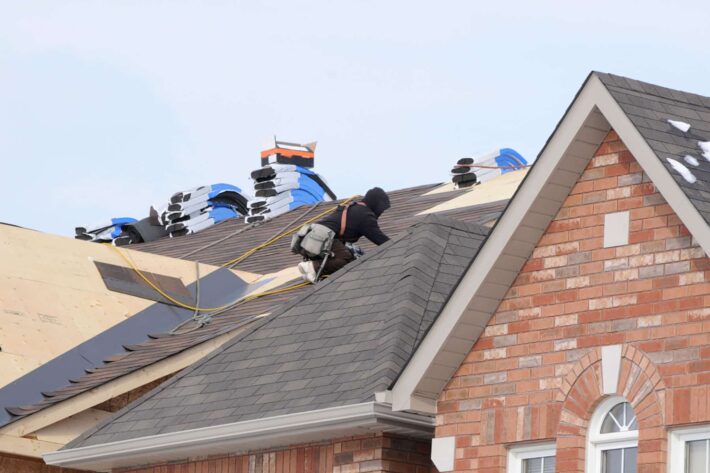
Metal roofs install year-round in North Texas. Planning around weather windows and lead times improves results. To make the most of seasonal schedules, review these best time to replace a roof insights.
- Request a roof evaluation with photos and measurements.
- Compare panel profiles, gauges, and coatings side by side.
- Ask for sample panels to view color in natural light.
- Confirm ventilation calculations, underlayment, and flashing details.
If corrosion resistance and efficiency are your top concerns, consider aluminum metal roofing mckinney tx with a PVDF finish and light color. For dent resistance with value pricing, a 24-gauge steel standing seam is a reliable choice.
McKinney Homeowner FAQs
How do I decide between aluminum and steel for a hail-prone neighborhood?
If hail is your top concern, steel in a thicker gauge typically provides higher dent resistance. Choose a profile and finish with a Class 4 impact rating. Aluminum can perform well in profiles that disperse impact, but steel often holds the advantage on dents.
Will a metal roof make my home hotter?
No. With cool coatings and proper attic ventilation, metal roofs reflect more solar energy than dark asphalt shingles. Many homeowners report reduced attic temperatures and lower cooling costs.
Can I install metal over existing shingles?
Sometimes. It depends on code, roof condition, and weight. A tear-off allows inspection of the deck, better flashing, and best long-term results. Your estimator will advise based on your roof.
How long will the finish last in North Texas sun?
Premium PVDF finishes resist fading and chalking very well. Many carry long fade and chalk warranties when applied to either aluminum or steel panels.
Is aluminum worth the higher price?
If you need corrosion resistance and long-term efficiency, aluminum can pay off over time. If your priority is hail strength at a lower initial cost, steel may deliver better value.
Conclusion
For McKinney homeowners, aluminum and steel are both reliable choices. Aluminum resists corrosion, reflects heat well, and keeps weight low. Steel delivers high impact resistance and a lower upfront price. The best choice depends on where you live, your roof’s exposure, and your budget.
Ask for two detailed proposals with the same profile and finish, one in aluminum and one in steel. Compare impact ratings, coatings, ventilation, and warranties. Then choose the option that aligns with your long-term goals. For local advice and a precise estimate, contact Fireman’s Roofing & General Contractor LLC.
Ready to Discuss Your McKinney Metal Roofing Project?