Beat the Texas Heat: Smart Summer Roof Repairs for North Dallas Homes
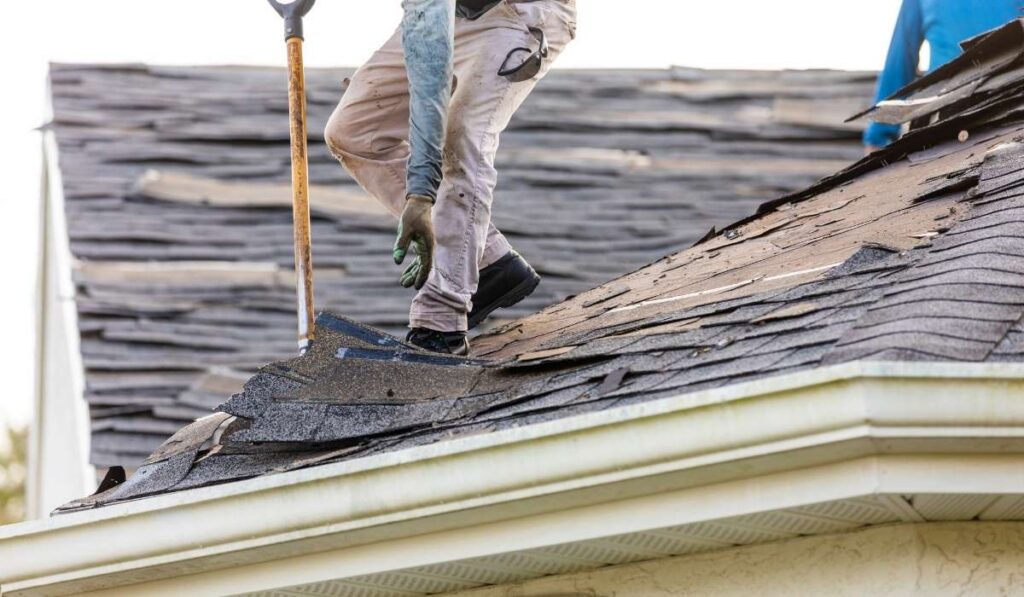
North Dallas summers are relentless. Prolonged heat, high UV, and low wind can punish your roof and spike your energy bills. Small shingle issues often turn into bigger leaks once the season peaks. The good news is you can get ahead of the damage with a focused plan that addresses heat, UV, and attic ventilation at the same time.
Choosing the right help matters when heat exposes weak shingles, brittle sealant, and poor airflow. A qualified mckinney tx roofing contractor understands how North Dallas weather affects ventilation, underlayment, and ridge systems. Local crews see the same patterns every summer, which means faster diagnosis, clearer pricing, and repairs that hold up when temperatures hit triple digits.
Homeowners in McKinney, Frisco, Allen, Plano, and nearby communities often ask how to protect their roofs during the hottest months. In this guide you will find practical troubleshooting steps, cost ranges for common fixes, and smart upgrades that improve comfort and extend roof life. If you prefer a done-for-you approach, Fireman’s Roofing & General Contractor LLC serves North Dallas with inspections, summer repairs, and full system replacements.
If you need quick answers or a clear quote for summer roof repair north dallas, use the inspection checklist below and schedule a professional evaluation before peak heat.
Why do heat and UV damage roofs in North Dallas summers?
Heat and UV radiation speed up the aging of roofing materials. Sunlight breaks down oils in asphalt shingles. High roof temperatures make shingles expand during the day, then contract at night. That daily cycle causes granular loss and cracks. UV also dries sealant lines, flashing sealants, and exposed pipe boot rubber. Over time you see curling, blistering, and brittle edges that lift in wind.
What makes North Dallas exposure different?
- Long peak heat windows. Many summer days hold above 95°F for extended hours
- High UV index. Clear skies and high sun angle drive UV exposure
- Thermal stress. Dark roofs can exceed ambient air by 50°F or more
The result is faster shingle wear, loose seals at penetrations, and premature failure of caulks. A responsive summer maintenance plan reduces these risks.
Seasonal UV and temperature snapshot
| Month | Typical Highs | UV Index Trend | Roof Surface Temp on Dark Shingle |
|---|---|---|---|
| May | 80s to low 90s | Rising | Up to 130°F in sun |
| June | High 80s to mid 90s | High | 130–150°F mid-day |
| July | Low to high 90s | Very high | 140–160°F mid-day |
| August | Low to high 90s | Very high | 140–160°F mid-day |
These conditions accelerate shingle and sealant aging and elevate attic temperatures. That is why ventilation and reflective upgrades pay off.
How does poor ventilation waste energy and damage roofs?
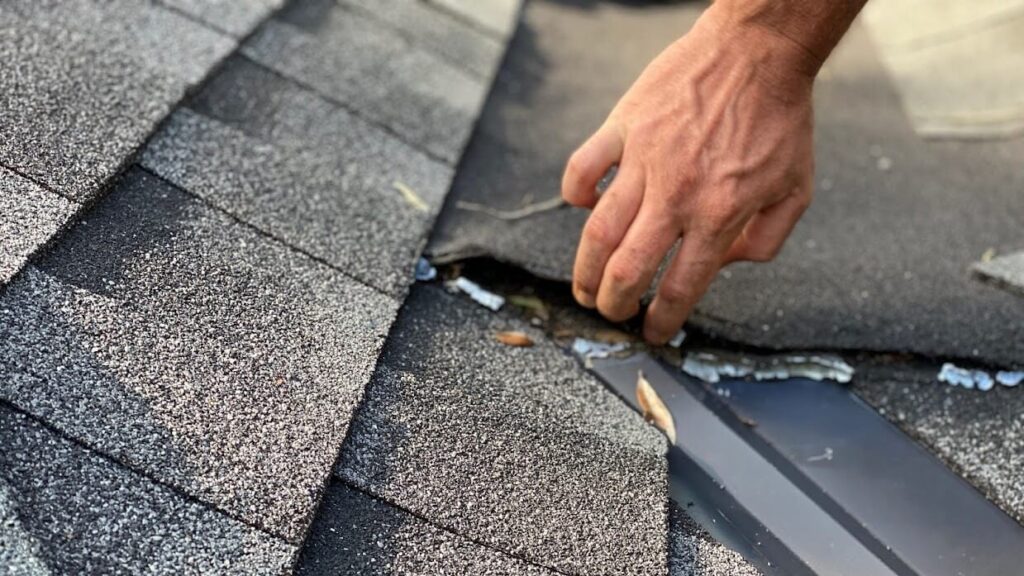
When attic air stagnates, heat builds up under the roof deck. This drives up interior temperatures, forces your HVAC to run longer, and increases cooling costs. Hot attics also bake shingles from below. That shortens roof life and can void parts of a shingle warranty if ventilation is inadequate.
What does poor ventilation look like?
- High attic temperatures in the afternoon, often 130–150°F
- Uneven roof aging, with more wear near ridges and south-facing slopes
- Musty smells, elevated humidity, or rust on nails and metal in the attic
Attic temperature by ventilation setup
| Setup | Typical Attic Temp on 95°F Day | Notes |
|---|---|---|
| No dedicated intake or exhaust | 140–160°F | High energy use and roof stress |
| Gable vents only | 130–150°F | Uneven mixing, dead zones |
| Balanced soffit intake + ridge vent | 120–135°F | Better airflow across entire deck |
| Balanced + powered attic fan (thermostat) | 115–130°F | Helps on still days |
The goal is balanced air intake and exhaust. Cool air enters at soffits. Warm air exits at ridges or high-mounted vents. Do not mix multiple exhaust types in the same zone. That can short-circuit flow.
What are the symptoms of summer roof damage?
Use this table to match what you see with likely causes and next steps.
| Symptom | Likely Cause | Urgency | Action |
|---|---|---|---|
| Curling or cupped shingles | Heat aging and UV drying | Medium | Inspect for widespread wear. Plan targeted repair or replacement |
| Blistered shingles | Trapped volatiles, heat stress | Medium | Replace blistered areas. Improve ventilation |
| Granules in gutters | UV and abrasion wear | Medium | Check shingle fields for bald spots |
| Shiny exposed asphalt | Granule loss from UV | High | Repair or replace affected slopes |
| Cracked pipe boots | UV-brittle rubber | High | Replace boots and reseal |
| Raised ridge caps | Thermal cycling, wind lift | High | Re-nail or replace ridge caps |
| Ceiling stains after afternoon storms | Flashings or lifted shingles | High | Emergency dry-in, then repair |
| Hot rooms below attic | Poor ventilation or insulation | Medium | Balance vents, consider baffles and air sealing |
If several symptoms appear at once, schedule an inspection. If you are rushing to stop a leak or need an assessment for summer roof repair north dallas, do not wait until the next storm cycle.
How long do roof materials last in Texas heat?
Lifespan varies by material, installation quality, ventilation, and shade. Here are typical ranges in North Dallas under proper ventilation and routine maintenance.
| Material | Typical Lifespan Range | Heat Resistance | Notes |
|---|---|---|---|
| 3-tab asphalt shingle | 12–18 years | Low | Low cost, more heat wear |
| Architectural asphalt shingle | 18–28 years | Moderate | Better weight and wind rating |
| Cool-rated asphalt shingle | 20–30 years | Moderate to high | Higher solar reflectance |
| Standing seam metal | 35–50+ years | High | Reflective finishes help with heat |
| Concrete or clay tile | 40–50+ years | High | Heavier, needs strong framing |
| TPO or PVC (low-slope) | 20–30 years | High | Very reflective white membranes |
If your roof is near the lower end of these ranges and showing heat damage signs, plan a replacement rather than repeated patching.
When are quick repairs not enough?
Patching is practical when damage is isolated. It is not wise when the roof system is failing across multiple slopes.
Red flags that point to replacement
- Blistering, cracking, or curling across large areas
- Multiple leaks in different rooms
- Attic ventilation cannot be corrected without major rework
- Underlayment is brittle or torn over wide sections
- Shingle tabs lift easily across many courses
When the roof is near end of life, a full replacement with better underlayment, upgraded ventilation, and reflective choices will often cost less over the next 10 years than repeated emergency calls.
Which roofing materials resist heat best?
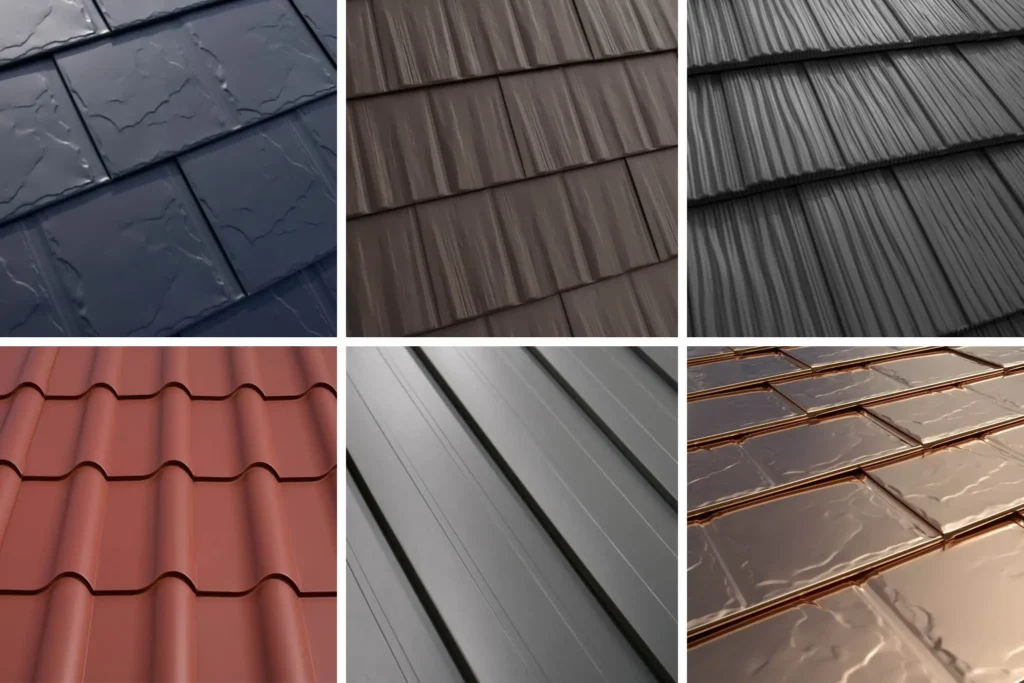
Architectural asphalt with cool-rated granules
These shingles reflect more solar energy than standard dark shingles. They reduce roof surface temperatures and help attic ventilation do its job. Many offer Class A fire ratings and good wind resistance.
Metal roofing with reflective finishes
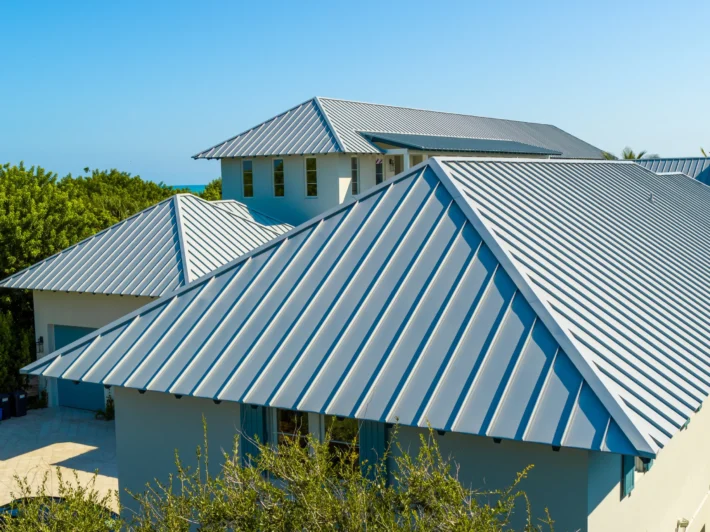
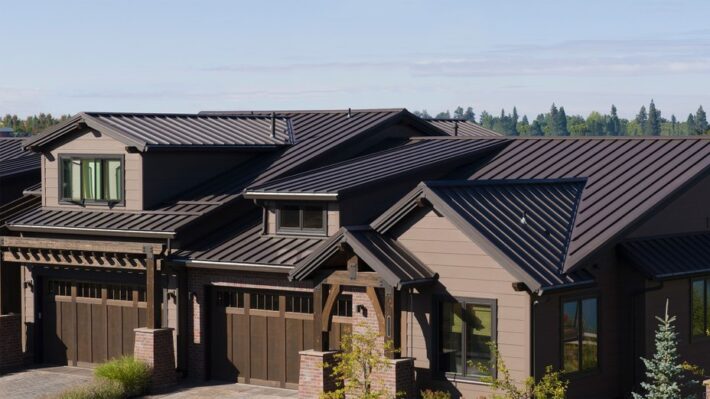
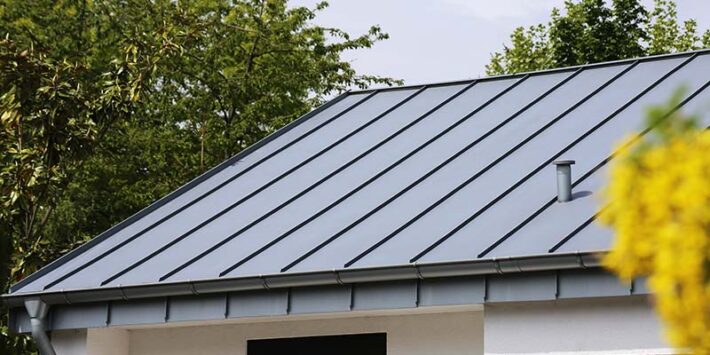
Standing seam metal with a light color reduces heat gain. It sheds rain fast, resists UV, and is lightweight. Metal works well for many North Dallas neighborhoods. Confirm HOA color rules if needed.
Concrete and clay tile
Tile roofs handle heat well due to mass and air space under each tile. They are heavier and may require structural verification before replacement.
Low-slope options
For porches or low-slope additions, white TPO or PVC membranes reflect sunlight and keep interior spaces cooler.
Whichever material you choose, pair it with balanced ventilation and a quality underlayment for the best summer performance.
How do you improve attic ventilation?
Start with the basics. You need cool air entering low and warm air exhausting high. Balance reduces hot spots and moisture buildup.
Key steps
- Open soffit intake. Clear paint, bird nests, or insulation blocking vents
- Install continuous soffit vents if eaves are closed
- Add a continuous ridge vent for even exhaust along each peak
- Use baffles at each rafter bay to keep insulation from blocking intake
- Consider a thermostatic attic fan if winds are often calm
- Air seal ceiling penetrations to limit conditioned air loss
- Check that bath and kitchen fans vent outside, not into the attic
Ventilation retrofit checklist
- Measure existing intake and exhaust net free area
- Target balanced flow across each attic space
- Add baffles before blowing in more insulation
- Verify ridge length and correct vent type per roof profile
- Seal duct penetrations and top plates
- Confirm no mixing of turbine, power fan, and ridge vents in the same zone
Balanced ventilation supports shingle life, reduces heat load, and can improve comfort in rooms under the attic.
Should you add roof coatings and reflective upgrades?
Reflective features reduce surface temperatures and slow material aging. Options vary by roof type.
Upgrades to consider
- Cool-rated shingles with higher solar reflectance
- Radiant barrier stapled to rafters for attic spaces
- High-performance synthetic underlayment to resist heat
- Reflective coatings for approved low-slope sections
Not every roof can take a coating. On steep-slope asphalt, coatings can void warranties or trap moisture. Ask for product-specific guidance for your roof type.
Cost breakdown: ventilation fixes vs full system overhaul
Costs vary by roof size, pitch, layers, access, and product choices. These North Dallas ranges help with planning.
| Scope | What is included | Typical Range |
|---|---|---|
| Soffit vent clearing and baffle install | Open intake and keep insulation out of vents | $300–$1,200+ |
| Add continuous ridge vent | Cut slot, install ridge vent, new ridge caps | $850–$2,200+ |
| Thermostatic attic fan | Fan, wiring, roof penetration, sealing | $650–$1,500+ |
| Replace cracked pipe boots and reflash | New boots, sealant, shingles as needed | $250–$750+ per penetration |
| Targeted shingle repair | Replace damaged tabs, reseal flashings | $450–$1,800+ |
| Full asphalt replacement | Tear-off, synthetic underlayment, ice/water at eaves, new shingles, ridge vent, flashings | $9,000–$22,000+ for typical single-family |
| Upgrade to cool-rated asphalt | As above with reflective shingle | $10,500–$24,000+ |
| Standing seam metal | Panels, underlayment, flashings | $20,000–$45,000+ depending on home |
Ventilation add-ons are cost-effective if your shingles still have service life. On older roofs with recurring leaks, a full system replacement with ventilation built in is the better long-term choice.
Hiring the right contractor during peak season
Summer schedules fill fast. Use this checklist to secure a quality install and a prompt timeline.
Contractor checklist
- Local presence and reachable references in North Dallas
- Proof of insurance and license where required
- Written scope, materials, and start date
- Ventilation plan with intake and exhaust calculations
- Underlayment, flashing details, and warranty terms in writing
- Picture documentation before and after
- Clear cleanup plan and property protection
Ask how the team will keep the attic cooler and dry during work. Confirm emergency dry-in procedures if storms are forecast.
Common myths about summer roofing repairs
Myth 1: “You can’t install shingles in hot weather”
Crews install roofs safely in summer with correct scheduling and handling. Heat can actually help shingle sealing. The key is proper ventilation and careful staging.
Myth 2: “Attic fans fix everything”
Fans help, but not without intake. Balanced systems outperform single fixes. If soffit intake is blocked, a fan may pull conditioned air from your house rather than from the eaves.
Myth 3: “Darker shingles always fail quickly”
Color matters, but quality, ventilation, and installation matter more. A high-quality dark shingle with proper airflow can outlast a poor install of a lighter shingle.
For more on local misconceptions and how insurance claims really work, read this guide: Texas roofing myths debunked.
Local examples: quick fix vs full upgrade
McKinney two-story with hot attic
Problem: South-facing slopes showed curling caps and a hot upstairs. Gutters held granules after storms. The attic reached 145°F mid-day.
Fix: Clear soffit intake, add baffles, and install a continuous ridge vent. Replace cracked pipe boots and a small field of blistered shingles. Outcome: Attic temperatures dropped 15–20°F and upstairs rooms cooled faster. No leaks in subsequent summer storms.
Frisco single-story nearing end of life
Problem: Multiple leaks near dormers, brittle underlayment, and widespread granule loss. Repairs would not last.
Fix: Full tear-off. Synthetic underlayment, ice and water protection at eaves and valleys, cool-rated architectural shingles, and balanced ventilation. Outcome: Lower attic temps, better curb appeal, and fewer summer energy spikes.
Step-by-step: your 20-minute summer roof check
Safety first. View the roof from the ground with binoculars. Inspect the attic during daylight.
Exterior check
- Scan for uneven shingle lines or lifted tabs
- Look for bald patches or color changes
- Check ridge caps for cracking
- Inspect around chimneys and vents for missing or bent flashing
- Clean debris from valleys
- Check gutters for granules and standing water
Attic check
- Open the hatch in mid-afternoon and note the heat level
- Look for daylight where it does not belong near penetrations
- Check for damp or stained decking
- Confirm soffit vents are not blocked by insulation
- Verify bath and kitchen ducts go outside
If you see multiple warning signs or feel extreme heat in the attic, book an inspection for summer roof repair north dallas and request a written ventilation plan.
Pro tips to make your roof last longer in summer
- Trim branches that shade and rub shingle edges
- Set a reminder to clear gutters before and after storm clusters
- Use light or cool-rated colors on replacements
- Install baffles before adding attic insulation
- Replace sun-baked pipe boots every 7–10 years or at roof midlife
- Schedule a roof and attic check each spring
Planning ahead with local resources
Want a seasonal game plan for summer protection steps and timing? See this local homeowner resource: Texas summer roof protection guide. It outlines simple tasks that prevent costly mid-season repairs.
FAQ: North Dallas summer roofing
Do I need a new roof or can I repair?
Repair if damage is isolated and the roof is under midlife. Replace when damage is widespread or the roof is near end of service life.
Will a ridge vent make my AC run less?
Balanced ventilation reduces attic temperature and moisture. That often lowers cooling time and improves comfort.
How quickly should I fix a cracked pipe boot?
As soon as possible. Afternoon showers can push water under a cracked boot and cause ceiling damage.
What color roof is best for heat?
Lighter and cool-rated shingles reflect more sun. Pair color with good ventilation for the best results.
How often should I check my roof in summer?
At least twice. Once before the hottest months and once after the first big storm cluster.
Takeaways for North Dallas homeowners
- Heat and UV are the main summer roof stressors here
- Balanced ventilation protects roof materials and lowers energy use
- Reflective shingles, quality underlayment, and ridge vents deliver long-term value
- Choose repair for isolated issues and plan replacement for system-wide wear
Conclusion: Your next step
Summer in North Dallas punishes roofs, but a clear plan makes the season manageable. Start with a fast inspection, address obvious leaks, and review ventilation and reflective upgrades. You will protect your home, improve comfort, and extend roof life. For a local team that understands our heat and storm patterns, schedule an inspection with Fireman’s Roofing & General Contractor LLC. Ask for a written scope, a ventilation calculation, and a side-by-side materials comparison that fits your budget and your neighborhood.
Ready for a professional roof inspection?