
How Do You Spot a Roof Leak Before It Becomes a Big Problem, and When Does Roof Repair Make Sense?
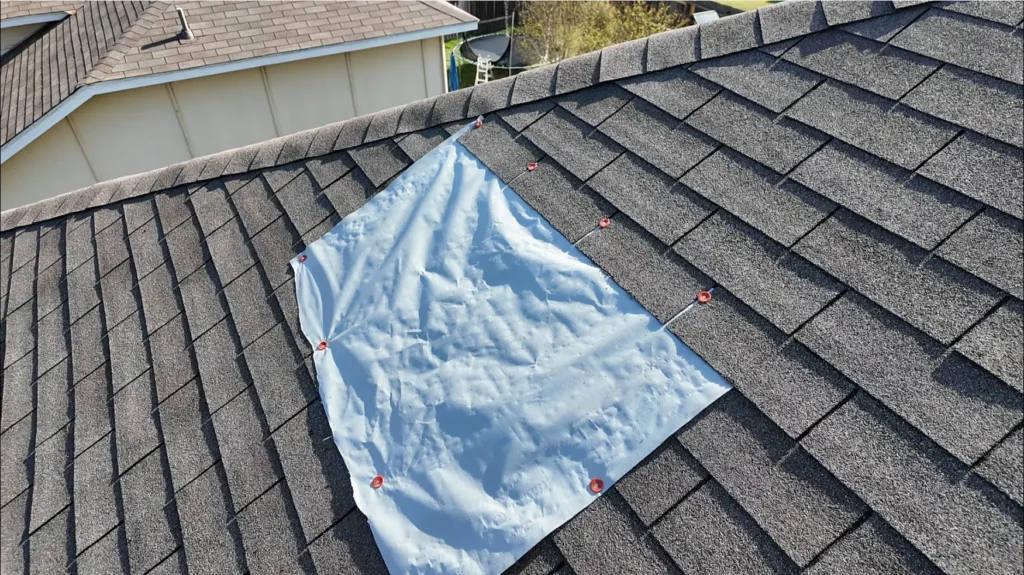
Summary
- Small leaks hide in McKinney heat and wind; stains show up late
- Interior clues differ from exterior clues; check both, including attic
- Water travels sideways; the drip isn’t always under the hole
- Season and storm type point to the likely failure area
- Early fixes cost less than repairs after soaked decking and drywall
Introduction
I work on roofs in McKinney and North Texas year-round. Leaks rarely announce themselves. By the time a ceiling stain shows up, the roof deck, insulation, and fasteners may already be wet or rusting. Catching the signs early saves money and avoids opening up more of the house than necessary.
I handle inspections and repairs locally, and I’ve seen the same patterns repeat after hail, wind, and summer heat. If you want a steady, field-tested approach, this guide lays out what I look for, why small leaks hide in our climate, and how to decide between a quick patch and a structured repair plan. I’m with Fireman’s Roofing & General Contractor LLC, and I keep this practical and local to McKinney.
Why small leaks are hard to spot in McKinney’s climate
North Texas weather is tricky on roofs. A few local realities make small leaks easy to miss:
- Wind-driven rain: Our spring and fall storms shove water up under shingles, along vertical laps, and into ridge and off-ridge vents. The entry point is often higher than the stain.
- Summer attic heat: Attics hit 130–150°F. Small leaks evaporate fast, so you don’t see drips—just salt/mineral tracks and crispy insulation crusts.
- Thermal cycling: Daily heat swings open and close tiny gaps at flashing, nail heads, and ridge caps. A leak may only show during a narrow wind/rain angle.
- Foundation movement: Soil shifts stress walls and roof penetrations. Flashing at chimneys and sidewalls separates slightly and then reseals with heat—until the next storm.
Common roofing myths that delay detection
- “No ceiling stain, no leak.” I’ve pulled blackened decking where there was zero interior staining—insulation soaked up the water.
- “New roofs don’t leak.” Misplaced nails, under-driven fasteners, or a bad boot can leak on day one.
- “Caulk will fix it.” Caulk dries, cracks, and shrinks. It’s a band-aid on movement gaps; it often hides the problem while water keeps traveling.
- “Metal roofs never leak.” They do—at fasteners, end laps, and transitions. Expansion and contraction slowly loosen screws and washers.
Interior vs. exterior evidence to look for
Inside the living space
- Ceiling stains with hard edges: Often from wind-driven rain hitting the same path repeatedly.
- Bubbled paint or swollen trim: Water wicks down drywall and collects at baseboards or window headers.
- Musty smell after storms: Wet insulation and framing off-gas quickly in sealed rooms.
- Outlets or lights that flicker after rain: Water near electrical deserves careful attention.
On the roof and exterior
- Missing, torn, or lifted shingles: Look at the windward side first; tabs flex and crack at nail lines.
- Granule piles in gutters or at downspouts: Hail or heat wear exposes asphalt and shortens shingle life.
- Cracked pipe boots or failed sealant at penetrations: UV breaks down rubber collars; cracks open on the upslope side.
- Debris in valleys: Leaves hold water and push it sideways under shingle laps.
Attic signs most homeowners miss
- Rusty nail tips or rings on nails: That’s condensation or a small leak marking where moisture collects.
- Streaked or darkened sheathing around vents and valleys: Ghosting trails show high spots where water runs during storms.
- Crusted insulation: Mineral salts from evaporated rainwater leave crunchy patches; they’re easy to overlook.
- Light from day at ridges or sidewalls: A sunlight pinhole often means a path for wind-driven rain.
Water travel paths and misdiagnosis risk
I’ve traced “kitchen leaks” back to a ridge vent 12 feet upslope. Water doesn’t respect straight lines. It follows fasteners, laps, rafters, and drywall joints. Common missteps:
- Assuming the drip is under the hole: It’s usually upslope or sideways along a framing member.
- Overfocusing on one feature: A chimney may be innocent while the step flashing a few feet away is the culprit.
- Blaming HVAC only: Condensate lines do sweat, but a dark track on sheathing during or right after rain points to roof entry.
When I suspect sideways travel, I map stains, check upslope transitions, and look for fresh mineral tracks. This is where patience beats caulk.
Seasonal causes in North Texas
Different weather pushes on different weak points. Here’s a quick guide I use:
| Season | Typical Stress | Likely Leak Points | Prep/Watch |
|---|---|---|---|
| Spring | Hail + wind-driven rain | Blown shingles, bruised mats, ridge caps, soft-metal flashing dents | Check granules in gutters; inspect ridges and south/west slopes |
| Summer | Extreme heat + UV | Cracked pipe boots, dried sealant, ridge and turtle vents | Look for curled shingles, brittle rubber collars |
| Fall | Wind + debris | Clogged valleys, lifted edges, debris dams at walls | Clear valleys; verify shingle adhesion at edges |
| Winter | Thermal movement + freezes | Flashing gaps, nail pops, brittle shingles | Check for raised nails; step flashing separation at walls |
Visual indicators by roof type or material
| Roof Type | Early Clues | Typical Cause | What I Verify |
|---|---|---|---|
| Asphalt shingles | Loss of granules, lifted tabs, nail pops | Wind uplift, hail bruising, thermal cycling | Mat fractures, exposed fasteners, valley underlaps |
| Standing seam metal | Oil canning near seams, loose fasteners at trims | Expansion/contraction, improper clip spacing | End laps, rake/drip trims, sealant tape condition |
| Concrete/clay tile | Broken or slid tiles, debris in pans | Foot traffic, wind, missing bird-stops | Underlayment age, flashings at headwalls/penetrations |
| Low-slope (mods/TPO) | Blisters, ponding rings, seam fish-mouths | Heat, shrinkage, clogged drains | Field seams, scuppers, transitions to steep-slope |
What makes a roof leak urgent
- Active dripping or a growing stain during a storm
- Water near electrical fixtures or service drops
- Soft decking underfoot or visible sagging
- Musty odor plus a closed-up room or closet above/below
- Repeated leak in the same spot despite “surface fixes”
In these cases, quick containment and targeted diagnosis prevents opening up larger sections later.
DIY patch or call a pro?
I’m not against a temporary patch if conditions allow and safety is solid. What tends to happen if the choice is off:
- Surface caulk on moving joints: It cracks fast and can push water sideways under shingles.
- Missing underlayment checks: Replacing a shingle without checking the underlayment leaves the real hole in place.
- Working wet: Foot traffic on hot or wet shingles breaks the mat and shortens roof life.
DIY fits small, clear issues such as a slipped shingle or a cracked rubber boot you can replace safely on a low slope. A pro makes sense when water travel is unclear, leaks are near walls/valleys/chimneys, or interior damage shows. If you’re weighing options for roof repair in McKinney Texas, testing with moisture meters and pulling a few controlled shingles beats guessing.
What to expect from a roof inspection in North Texas
- Interview and history: I ask when leaks happen, which storms preceded them, and what fixes were tried.
- Attic check first: Sheathing stains, rusty nails, and insulation crusts tell the truth without lifting shingles.
- Exterior mapping: I mark suspect transitions—valleys, sidewalls, penetrations—to match with attic tracks.
- Targeted shingle lifts: I gently lift at nail lines to check underlayment laps and fastener placement.
- Penetration and flashing review: Boots, storm collars, step and counterflashing, sealant age, and fasteners.
- Water test if needed: Controlled hose testing from low to high, not the other way around.
- Scope and photos: I show exactly what failed and the repair options, from tune-up to partial rebuild.
If you want background reading before an inspection, this walk-through helps: signs you have a roof leak. For patch decisions after a storm, see how to fix a leaking roof.
My approach to early detection and long-term repair
My first goal is to separate nuisance leaks from structural risks. I prefer small, controlled tear-backs to verify underlayment condition and fastener placement. If I find crude surface fixes, I remove them and rebuild the transition—step flashing at walls, fresh boots and collars at pipes, new ridge cap where wind worked it loose. If someone used incompatible sealants, I clean it out and start fresh; I don’t bury problems under goop.
For long-term resilience, I look for ventilation balance, debris patterns, overhanging limbs, and past hail signatures that predict future trouble. It’s cheaper to swap three aging pipe boots and rework a sidewall today than open ceilings next spring.
Step-by-step home checklist for leak detection
- Before storms: Photograph ceilings in rooms below roof transitions (kitchen, laundry, baths). Baseline helps.
- After a heavy rain: Walk the house. Note any new odors, flickering lights, or fresh staining edges.
- Attic quick look: With a flashlight, scan for rusty nails and dark tracks on sheathing, especially below ridges and valleys.
- Gutter check: Look for granule piles at downspouts and shingle crumbs in the troughs.
- Roof edges (from the ground): Binoculars help—look for lifted tabs, missing shingles, or curled ridge caps.
- Penetrations: From inside or a safe ladder approach only—inspect pipe boots and vents for cracks or gaps.
- Document timing: If a leak appears only with wind from a certain direction, write it down. It speeds diagnosis.
Preventive vs. reactive costs in McKinney
| Action | Typical Scope | Ballpark Cost (Local) | Notes |
|---|---|---|---|
| Preventive tune-up | Replace 2–4 pipe boots, reseal flashings, secure ridge/edges | $250–$650 | Finds and fixes early movement gaps |
| Debris/valley service | Clean valleys, reseat shingles, check underlayment laps | $150–$400 | Reduces sideways water travel |
| Targeted leak repair | Open and rebuild at one transition (valley/wall) | $350–$1,200 | Depends on tear-back size and access |
| Reactive interior repair | Drywall, texture, paint, insulation swap | $500–$2,000+ | Often avoidable with early catch |
| Decking replacement | Swap 1–3 sheets of sheathing | $300–$900+ | Rises if framing is compromised |
These are not quotes. They’re typical ranges I see on real homes in McKinney. Timing, access, materials, and slope change the math fast.
How leak timing affects insurance and resale
Insurance: In North Texas, hail and wind claims hinge on timing and proof. Carriers expect prompt reporting. If you wait, they may call it wear-and-tear. Photos, storm dates, and early inspection notes help. A small leak tied to a recent storm can be part of a broader claim; an old, unreported leak usually can’t.
Resale: Texas sellers disclose known roof leaks and repairs. Fresh repairs with documentation look better than stained ceilings and vague stories. Appraisers and inspectors flag active moisture, missing shingles, or soft decking. Early, documented fixes protect value and reduce back-and-forth during option periods.
FAQs
I’m buying a house in McKinney. What should I ask about roof leaks?
Ask for dates of any leaks, photos of interior stains before repair, invoices for roof work, and whether decking was replaced or just sealed. I also ask sellers about attic ventilation changes; poor ventilation masks or worsens leak clues.
I waited, and now I’m seeing multiple stains. What’s likely hidden?
Insulation can be saturated, decking edges may be soft, and nails can be rusting. I’ve opened ceilings to find blackened sheathing where water traveled along rafters. At that point, the repair usually includes tear-back, underlayment fixes, and interior remediation.
Why does a small repair cost more than a tube of caulk?
Because sealant doesn’t stop water that’s moving under laps. Proper repair often means lifting shingles, reworking flashing, replacing boots, and resetting fasteners. It takes time to confirm the path so the problem doesn’t return next storm.
Does searching “roof repair near me” help in McKinney?
It helps you find proximity, not quality. What matters is a roofer who will map the water path, open the right area, and show photos of what failed. If you’re considering roof repair in McKinney Texas, ask for attic-to-roof photo sets and a clear scope.
Putting it all together
Early detection in North Texas comes down to matching weather, roof design, and small visual clues. Wind-driven rain points to ridges, valleys, and sidewalls; summer heat dries up the puddles but leaves the mineral tracks. The drip isn’t the hole. The attic tells the story. Quick, controlled tear-backs beat guesswork and caulk.
I keep repairs practical and local to how McKinney roofs age—fix the transition, replace the worn boots, document the path, and watch the next storm. If you prefer a steady hand and clear photos from start to finish, I do this work every week with Fireman’s Roofing & General Contractor LLC. No drama, just the steps that keep small leaks from turning into bigger bills.
