
Which Roof Should a Frisco Family Pick When They Ask About the Best Type of Roof for North Texas?
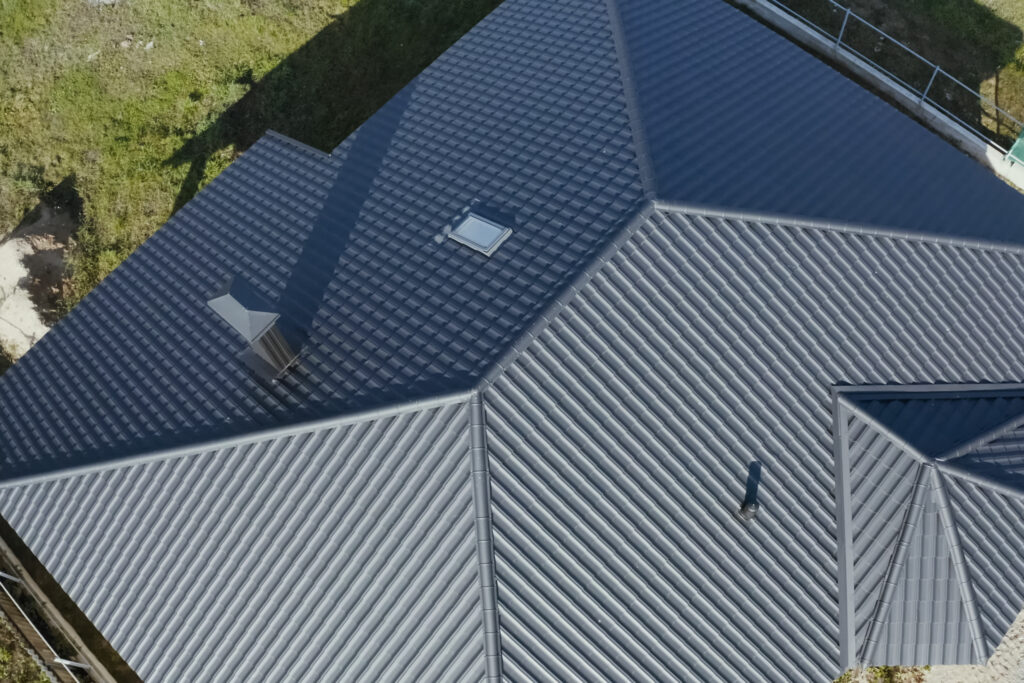
- A Frisco family weighing four bids found that material choice was less decisive than fastening, ventilation, and underlayment.
- Hail, sustained heat, and gust fronts pushed the decision toward an impact-rated shingle with upgraded deck protection.
- Metal and tile were on the table, but neither matched the home’s pitch, HOA palette, and resale window.
- The point of diminishing returns showed up clearly once warranty fine print and insurance discounts were laid side by side.
The call came in on a Tuesday in late April, the morning after the second hail of the month rolled across Collin County. A family in Frisco had three roofers at the curb and a fourth on the way. Their adjuster was due Friday. Two slopes were stripped of granules, the gutters were full of grit, and a skylight had a quiet drip. They wanted a straight answer to the question every homeowner here eventually asks: is there really such a thing as the best type of roof for North Texas when every yard sign on the block advertises a different one?
There was no single answer, but there was an honest one. By the end of the week the family had it, and the conversation that got them there is the same one that plays out across Frisco, Prosper, and the western edge of McKinney every spring. What follows is how that decision actually unfolds when the bids are on the table and the adjuster is on the way.
Where the call usually starts
Most of these jobs start the same way. A homeowner sees granules in the downspout, a neighbor mentions their insurance covered a full replacement, and within two weeks the driveway is a parade of trucks. The Frisco family had four written bids by Thursday. One was for impact-rated architectural shingles. One was for a standing seam steel roof. One was for concrete tile. The fourth was a low number on a basic three-tab — the kind of bid that exists to be the cheapest piece of paper in the stack.
The first thing worth saying is that the question of material rarely sits alone. Underlayment, ridge ventilation, drip edge, valley metal, the gauge of any flashing, and how the deck gets nailed back together matter as much as whether the surface is asphalt or steel. A premium material installed over a tired deck with two-staple nailing in the wrong pattern will fail before a mid-grade shingle on a clean install. That is not a sales line. It is what shows up on tear-offs four or five years later, when the second leak appears and the warranty paperwork comes out.
What the weather actually does to a roof out here
North Texas weather is not punishing in any one direction. It is punishing in combination. The hail comes in waves — a March cell, an April cell, sometimes a late-May cell — and the gust fronts that ride along with them pull at ridge caps and lift unsealed shingles. Then the summer sits on the roof for ninety days at a stretch. Surface temperatures on a black asphalt slope can run a hundred and sixty degrees in July. Sealant strips that should bond in the first week after install sometimes do not seat properly until the heat cycles them, which is why a January replacement and a July replacement age differently in the first year.
The Frisco family’s home faced southwest. The two slopes that took the worst hail were also the slopes that took the worst sun. That mattered when ranking materials. A shingle that performs adequately in a moderate climate ages faster when it gets both barrels — hail bruising followed by a hundred straight days of UV. Impact-rated shingles, which use a modified asphalt and a heavier mat, fared better in the area’s prior storm cycles. Metal handled the heat well and shed wind cleanly. Tile was largely indifferent to UV but added weight the home was not framed for.
The misconception that almost steered them wrong
Halfway through the second bid review, the homeowners said something common: that they had heard metal was simply the longest-lasting material and therefore the right answer for anyone planning to stay put. There is truth inside that sentence, but the practical version is more complicated. A properly detailed standing seam roof can outlast two or three asphalt replacements. It also costs three to four times more upfront, requires careful expansion-joint and clip engineering on long runs, and only pays off when the homeowner stays in the house long enough to see the second replacement cycle.
The family had a fifteen-year window in mind. Their oldest child was eight. The math on metal — once carrying cost, insurance treatment, and likely move-out year were factored in — did not clearly beat a high-grade impact-rated asphalt. It was not that metal was wrong. It was that the case for metal was not as decisive as it had sounded in the second roofer’s pitch. Useful guidance on how those weather forces interact with material lifespan can be found in our overview of roof types popular in North Texas, and the same logic shows up in our comparison of aluminum and steel when the metal conversation gets serious.
The decision point
By Thursday evening the table had narrowed to two bids. The impact-rated asphalt installation, with synthetic underlayment, ice-and-water shield in the valleys and around the chimney, ridge ventilation sized to the attic volume, and a manufacturer’s system warranty. And the standing seam steel, with concealed fasteners, a high-grade paint system, and a longer material warranty but a shorter weathertight warranty than the homeowners had assumed.
Three considerations decided it. The HOA palette ruled out the only metal color the homeowners actually liked. The home’s pitch was on the lower end of what looked good in standing seam, which made the asphalt visually preferable from the street. And the insurance carrier offered a meaningful premium discount for an impact-rated shingle installation that did not extend the same way to metal. None of those three reasons would have appeared on a generic comparison chart. All three came from sitting in the family’s actual situation.
Where spending more stopped paying back
One of the more useful moments in the conversation came when the family asked whether stepping up to the highest-tier impact-rated shingle — a Class 4 rated product with a heavier mat — was worth the extra cost over the mid-tier impact shingle. The answer was honest and a little uncomfortable. For their specific situation, with their specific carrier and their specific likely tenure in the home, the step up paid for itself in two ways: a slightly larger insurance discount, and a higher probability of surviving the next storm without a full claim. It did not, however, double the lifespan. There is a point in the spec sheet — usually around the middle of the impact-rated tier — where the curve flattens. Spending past that point still buys protection, but the protection it buys is smaller per dollar than people expect. Some homeowners want it anyway, and that is a defensible choice. The family in Frisco landed one step under the top tier and left it there.
What happened after the roof went on
The tear-off happened on a Monday. The deck came up cleaner than the second roofer’s bid had assumed, which saved a small amount on deck repair. The ridge ventilation was upgraded to a continuous cut rather than the two box vents the original builder had installed, which corrected a small but persistent attic-temperature problem the family had not connected to the roof. The skylight that had been dripping was reflashed properly, which was the actual fix — the original install had relied on caulk where step flashing should have done the work.
Two months later, in late June, another hail event rolled through. The roof took it without granule loss visible from the driveway. The neighbor across the street, who had gone with the cheapest bid on a basic shingle two summers earlier, filed another claim. That is not a guarantee of how the next storm will go. It is just what happened that month on that street.
The questions homeowners keep bringing up
Almost every Frisco call eventually circles to the same three or four questions. They come up so often that the answers have become a quiet rhythm. Homeowners want to know whether metal is loud in the rain, whether tile is worth the structural verification, whether a Class 4 shingle really lowers the premium and by how much, and whether the warranty is on the material or the installation. The honest answers are: metal is quieter than people think when installed over a proper deck and underlayment, tile is rarely the right choice unless the home was originally framed for it, the Class 4 premium discount varies by carrier but is real, and the warranty is almost always on the material — the installation warranty is the contractor’s, and it is the one to read carefully.
The decisions on a job like the Frisco family’s also depend on whether the work is repair or replacement, which is its own conversation. The line between the two gets fuzzy after a storm, and our roof replacement service overview walks through where it shifts. For homeowners not yet sure which side of that line they are on, a thorough roof inspection is usually the starting point, and the roof repair service page covers the smaller-scope path when the damage is contained.
What this story changes for the next homeowner
The honest takeaway is that the best type of roof for North Texas is rarely the same answer twice. It is shaped by the specific home, the specific neighborhood, the specific carrier, and the specific window the family expects to stay. The Frisco family ended up with impact-rated asphalt, upgraded ventilation, proper valley protection, and a cleaner install than the original roof had ever received. A different family on a different street, with a different framing system and a longer tenure, might have ended up with steel. Both choices would have been defensible.
What does not change from house to house is the part underneath the visible material. Fastening pattern, underlayment, deck condition, ridge ventilation, valley metal, and flashing detail decide whether the roof lasts the warranty period or quietly fails halfway through it. That is the part of the conversation the cheapest bid almost always leaves out. If you are looking at bids in Frisco or anywhere across Collin County and want a second read on what is actually on the table, our team is reachable through our Frisco roofing services page.
