
Who Removes the Solar Panels Before a Roof Replacement in McKinney?

For a roof replacement with solar panels, I would arrange the solar removal and reinstallation before fixing the roofing date. The roofer, the solar provider, and the contractor responsible for electrical work need an agreed sequence. A homeowner should not assume the roofing price includes all three roles.
Imagine a McKinney homeowner planning a November reroof before holiday travel. The roof estimate looks complete, but the solar agreement names a different company. The homeowner situation in this article is an illustrative example, not a report of a specific customer or completed job.
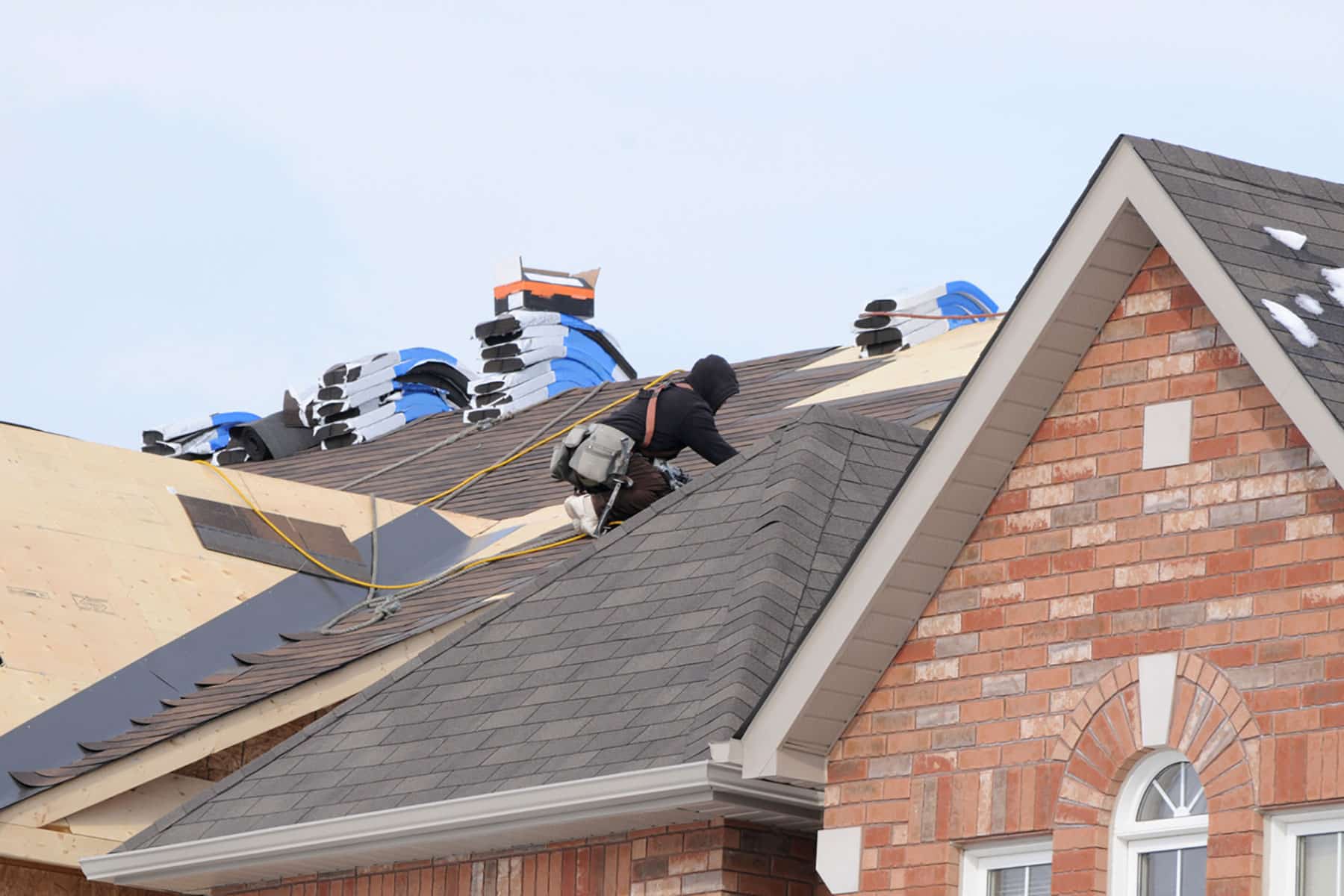
McKinney requires more than the roofing permit
According to McKinney’s Roofing Guide, an electrical permit must also be obtained when existing solar panels are removed and reinstalled.[1] That local requirement matters even when the homeowner is not buying a new solar system.
I would ask who is obtaining each permit and what inspections the city requires for this project’s scope. The city’s home-repair page lists reroofing, solar, and electrical work separately and points residents to its permitting portal.[2] A roofer working in another city should check that city’s requirements; our Allen permit article is useful context, but it does not establish McKinney’s rules.
Who should handle the panels and electrical connections?
Start with the existing solar contract and provider. Find out who is permitted to work on the system and what documentation is needed to preserve any applicable agreement or warranty. A leased system may introduce an additional party whose equipment is on the roof.
For non-exempt electrical work, Texas requires licensed individuals working through a licensed electrical contractor.[3] McKinney also lists registration and licensing documents for electrical contractors.[4] I would verify the company responsible for the electrical scope rather than treat general roofing experience as the same qualification.
That does not mean every homeowner must independently hire several unrelated businesses. One company may coordinate the work, or the homeowner may hold separate agreements. What matters is that the responsible parties and their actual scopes are clear.
“I want the solar removal and the roof replacement planned together before either crew starts. A finished roof is only part of the job if nobody has agreed who will put the system back and verify it.”
Don Scott, Co-owner, Fireman’s Roofing & General Contractor
Get the handoffs in writing
In the illustrative project, I would want the proposal to answer these questions before tear-off: Who disconnects and removes the equipment? Who inventories and stores it? Who takes responsibility for accidental damage while it is off the roof? Who reinstalls the attachments and flashing? Who completes the electrical work and checks the system afterward?
Those are questions for the project agreements, not promises that every provider includes the same services. Tesla, for example, describes removal and reinstallation as separate service requests with separate invoices.[5] Its roofing-contractor page also makes clear that a homeowner’s contract and coordination with a third-party roofer remain the homeowner’s responsibility.[6] Other providers may operate differently.
I would also establish who receives photographs and information if tear-off exposes damaged decking beneath the array. The solar crew should not return to a roof whose substrate or mounting details remain unresolved. The broader roofing scope belongs in our roof replacement guide.
A new roof does not guarantee an immediate solar restart
Before choosing a holiday travel date, ask the solar provider for its actual scheduling requirements. Do not assume panels removed on Monday can be back and producing electricity by Friday.
Tesla’s current instructions include a waiting period after reroofing before reinstallation. That is a provider-specific example, not a universal shingle-curing rule.[5] The homeowner should get the applicable requirements for their system in writing and coordinate them with the roof manufacturer’s installation requirements.
McKinney’s solar checklist also addresses documentation for a solar permit application, including system plans.[7] Ask the city and electrical contractor whether the proposed work needs updated documentation, particularly if the project changes the layout or equipment. A simple removal and reset should not be silently expanded into a redesign.
Keep material choices and insurance questions in their own lanes
If the homeowner wants a different roof material, the solar provider must confirm compatibility before that choice becomes final. Our guide to roof materials and solar panels covers that separate decision; a provider’s mounting requirements can narrow the options.
If storm damage is involved, ask the insurer to address the documented solar removal and reinstallation scope. Do not assume every related cost is covered. Texas Department of Insurance guidance distinguishes policy types and notes that ordinary roof age or wear does not itself qualify a homeowner for a paid replacement.[8]
What I would request before scheduling
I would want the system provider’s response, the roofing scope, the named electrical contractor, the permit responsibilities, and a realistic sequence for removal, roofing, inspection, and reinstallation. A written contact for each handoff makes it easier to resolve a delay before a crew arrives.
For a roof replacement with solar panels in McKinney, bring the solar agreement and provider information into the first conversation. The goal is a roof and solar system that can be handed back with clear documentation, rather than an attractive roofing completion date that leaves the second half of the work unplanned.
Sources
- City of McKinney — Roofing Guide, current city-hosted document
- City of McKinney — Home Repairs & Permit Information
- Texas Department of Licensing and Regulation — Electricians
- City of McKinney — Contractor Registration
- Tesla Support — Removal & Reinstallation
- Tesla Support — Roof Contractors
- City of McKinney — Solar and Wind Energy Conversion Systems Checklist
- Texas Department of Insurance — Insurance and Your Roof (April 1, 2026)
