
The Practical Roof Repair Checklist Every North Dallas Homeowner Needs
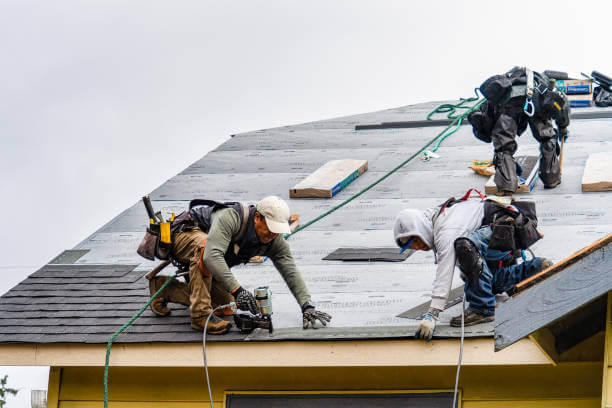
Summary
- Know what to look for after hail, heat, wind, and rare snow. Catch small issues before they spread.
- Use a simple step-by-step inspection plan for the attic, roof surface, and gutters.
- Decide when repair is enough and when replacement is smarter based on age, damage, and risk.
- Learn local permit basics, warranty terms, and what a solid workmanship standard looks like.
- Set a realistic repair budget with parts, labor, deductibles, and seasonal timing in mind.
Introduction
North Dallas weather can be tough on roofs. Heat, hail, wind, heavy rain, and the occasional winter freeze test every seam and shingle. You can protect your home with a practical plan that focuses on early detection and quick action. This guide gives you a clear roof repair checklist you can follow in McKinney, Frisco, Allen, and nearby suburbs.
Working with a qualified mckinney tx roofing contractor helps you identify hidden damage that heat, hail, and fast-moving storms often create. Local crews understand how North Dallas weather affects shingles, decking, vents, and sealant. Their inspections catch weak points early, prevent leaks from spreading, and give you clear guidance on repairs that actually protect your home.
If you prefer a professional inspection, schedule a visit with Fireman’s Roofing & General Contractor LLC. Use this roof repair checklist north dallas homeowners can follow year-round, then call in a pro when you see warning signs.
Importance of Regular Roof Repair in North Dallas
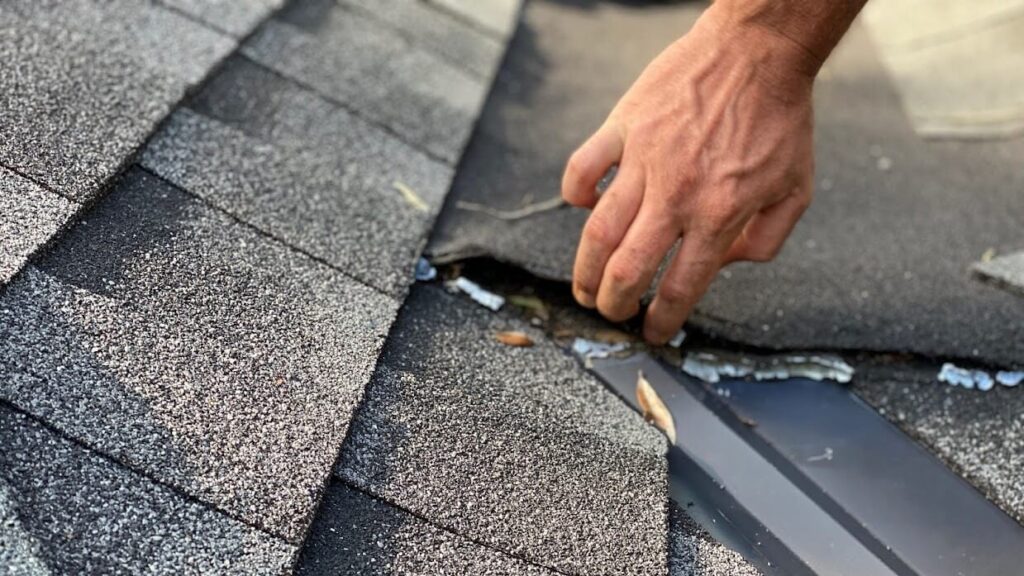
Regular roof repair protects your home from leaks, mold, and structural damage. It also preserves your home’s energy efficiency. In North Dallas, storms often arrive fast. Small defects turn into water entry points. Regular checks reduce emergency calls and lower total cost of ownership.
- Prevents minor shingle damage from becoming deck or drywall damage
- Improves attic ventilation and reduces heat gain in summer
- Extends the life of shingles, flashing, and sealants
- Protects warranty coverage by documenting maintenance
Your Step-by-Step Roof Inspection Checklist
Follow these steps twice a year and after major storms. This roof repair checklist north dallas homeowners use is safe to perform from the ground and attic. Avoid climbing on the roof unless you are trained and have safety gear.
1) Start Inside: Attic and Ceilings
- Check for daylight showing through the roof deck
- Look for dark stains on rafters or insulation
- Smell for mildew or musty odors after rain
- Touch insulation near penetrations for dampness
- Confirm attic ventilation is clear and balanced
2) Walk the Exterior Perimeter
- Scan the roof surface with binoculars
- Look for missing, curled, or cracked shingles
- Check for lifted edges from wind or hail bruising
- Inspect flashing at chimneys, skylights, and walls
- Look for rust on metal roofs or broken tiles on tile roofs
3) Gutters and Downspouts
- Clear leaves, granules, and debris
- Check for sagging or loose hangers
- Verify downspouts direct water away from the foundation
- Look for shingle granules in gutters that signal wear
4) Penetrations and Sealants
- Inspect plumbing vent boots for cracks
- Check satellite or solar mounts for loose fasteners
- Look at caulk and sealant beads for splits or gaps
5) After a Storm
- Note hail size and where it hit
- Look for dents on gutters, downspouts, or soft metal vents
- Check for debris on the roof that may have caused punctures
- Photograph any visible damage before clean-up
Most Common Roof Issues in North Dallas
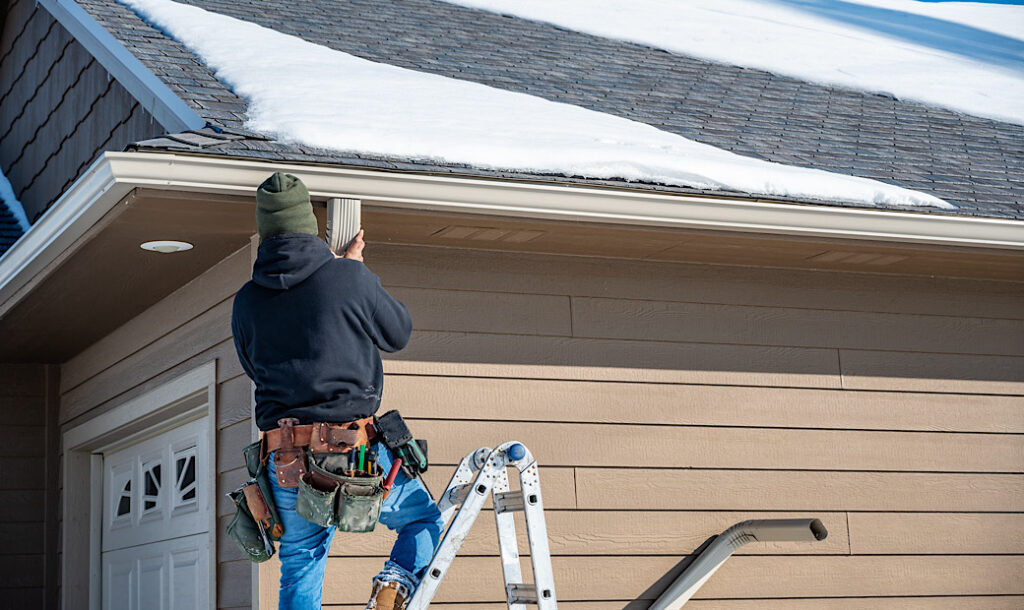
Hail
- Bruised shingles that feel soft to the touch
- Granule loss that exposes asphalt
- Dents in ridge caps and metal accessories
Hail can shorten roof life by opening pathways for UV damage and water. If you see widespread blemishes, call a pro for a full assessment.
Heat
- Shingle blistering from trapped heat or poor ventilation
- Dry, brittle seals and flashing
- Faster wear on south and west slopes
Heat speeds up aging. Balanced ventilation, insulation, and reflective shingles help.
Wind
- Lifted shingle edges that break the seal strip
- Creased shingles that can tear later
- Debris impact marks
Debris
- Clogged gutters that back up water under the shingles
- Algae or moss that holds moisture on the surface
- Tree limbs that scrape granules and weaken shingles
Snow and Ice
- Uncommon but possible freeze events
- Ice at eaves can cause leaks if ventilation is poor
- Flat roofs may hold snow loads in rare storms
Prepare for all seasons. Even short cold snaps can expose weak points.
Signs You Need Immediate Repair
- Active leaks or water stains on ceilings
- Multiple missing shingles in one area
- Exposed underlayment or felt
- Loose or missing flashing at a chimney or wall
- Large hail impacts with broken matting
- Rapid granule loss that exposes black asphalt
If any of these appear, protect the area from further damage. Use a tarp as a short-term measure. Then schedule a licensed roofer to diagnose the cause.
How to Decide: Repair or Replace?
Use age, damage extent, and risk to guide your decision. Small, isolated problems are good candidates for repair. Widespread damage or end-of-life roofs often justify replacement.
| Condition | Repair is likely | Replacement is likely |
|---|---|---|
| Roof age | Under 10 years with isolated issues | Near or over manufacturer life |
| Damage pattern | Local to one slope or a few penetrations | Widespread across multiple slopes |
| Leaks | Minor and traceable to flashing or a single area | Recurring or in multiple rooms |
| Hail impact | Scattered with no mat break | Dense hits with broken matting or bruises |
| Ventilation | Fixable by adding vents or baffles | Systemic issues with heat damage to many shingles |
Checklist Tools You’ll Need
A few simple tools make your inspections faster and safer.
| Tool | Purpose | Notes |
|---|---|---|
| Binoculars | Scan roof surface from the ground | Safer and faster than climbing |
| Work gloves | Protect hands while clearing debris | Use cut resistant gloves when handling metal |
| Ladder with stabilizer | Access gutters and eaves | Follow safety and never stand on top rungs |
| Flashlight | Inspect attic dark spots and corners | Check after dusk for better contrast |
| Digital camera or phone | Document damage for claims and quotes | Take wide and close photos |
| Leaf blower or gutter scoop | Clear gutters and valleys | Prevent backflow and ice dams |
| Roof-safe shoes | Traction if a pro visit requires roof access | Avoid walking the roof if untrained |
Roof Material Concerns in North Dallas Climate
Asphalt Shingles
- Most common in local neighborhoods
- Watch for granule loss after hail and summer heat
- Check adhesive strips for proper sealing after wind
Metal Roofing
- Durable against heat with reflective finishes
- Inspect for panel expansion noises and fastener back-out
- Check sealant at seams and penetrations yearly
Tile Roofing
- Resistant to heat but vulnerable to impact
- Look for cracked tiles after hail or falling limbs
- Verify underlayment condition on older systems
Low-Slope and Flat Roofs
- Common on patios and additions
- Inspect seams, scuppers, and ponding areas
- Keep drains clear before storms
Seasonal Roofing Hazards
Summer Heat
Prolonged heat accelerates aging. Attic temperatures soar. Sealants dry. Shingles can blister. Ventilation and reflective materials help. See this guide on Texas summer roof protection for practical steps you can take before peak heat.
Spring Hail
Hail arrives with thunderstorms. Even small hail can reduce shingle life if it breaks the mat. Identify dents in soft metals, granule piles in gutters, and bruised shingle spots.
Fall Debris
Leaves and acorns collect in valleys and gutters. Debris stops proper water flow and can cause overflow into eaves or fascia. Clean gutters at the start and end of fall.
Winter Freeze and Rare Snow
North Dallas gets occasional freezes and rare snow. Flat roofs and low-slope sections can hold snow or ice. Review tips on snow load on flat roofs to keep drains clear and watch for deflection.
How to Choose the Right Roofer in North Dallas
- Local presence and fast response in McKinney, Frisco, and Allen
- State and local registration where required
- Proof of general liability and workers’ compensation insurance
- Manufacturer certifications for the materials you own
- Clear written scope, materials list, and start date
- No high-pressure sales or up-front cash demands
- Storm coordination expertise for hail or wind claims
Ask for recent local references. Review photos of similar repairs. A quality roofer welcomes questions and explains options.
Permits, Warranties, Workmanship Expectations
Permits
- Many city offices require permits for re-roofs
- Repairs may not need a permit, but verify with your city
- Contractor should handle permit and inspection steps
Manufacturer Warranties
- Shingle warranties vary by product and registration
- Improper installation or poor ventilation can void coverage
- Keep receipts, photos, and maintenance records
Workmanship Standards
- Proper underlayment, flashing, and ventilation are critical
- Roof-to-wall transitions and penetrations must be sealed and flashed
- Cleanup includes nails, debris, and magnet sweep
When to Call a Pro: What a Warning Sign Looks Like
Use this quick filter. DIY for light debris and visual checks. Call a pro when risk or complexity rises.
- Any active leak or ceiling stain after a storm
- Multiple missing shingles or lifted sections
- Damaged flashing at chimneys, skylights, or walls
- Evidence of hail bruises or mat break across many shingles
- Persistent attic humidity or mold near roof deck
- Flat roof ponding longer than 48 hours
Download or print this roof repair checklist north dallas families can keep near the breaker panel or with home records. Mark dates and photos for each inspection.
How to Budget for Roof Repairs
Plan for both routine maintenance and sudden storm fixes. Costs vary by material, slope, access, and damage size. Set aside a small amount each month.
Typical Budget Items
- Leak investigation and minor flashing repair
- Shingle replacement for a small area
- Vent boot or pipe flashing replacement
- Gutter repair or resealing
- Emergency tarp service during heavy rain
Cost Factors
- Roof height and pitch
- Material type and availability
- Scope of underlayment or deck repair
- Travel time and staging
Review your insurance policy. Understand deductibles for wind and hail. Keep records of maintenance and storm dates. Plan your costs with this roof repair checklist north dallas homeowners use to set priorities and avoid surprises.
FAQs
How often should I inspect my roof?
Inspect twice a year and after major storms. Spring and fall work well. Check the attic after heavy rain.
Can I walk on my roof to inspect damage?
It is safer to inspect from the ground with binoculars and from the attic. Walking on the roof can cause damage or injury. Leave roof walking to pros with safety gear.
Do small leaks fix themselves?
No. Small leaks grow. Water moves along framing and can appear far from the source. Address leaks at once to limit drywall and insulation damage.
What is the best shingle for North Dallas?
Quality laminated asphalt shingles with proper ventilation perform well. Ask about impact-rated options if hail is frequent in your area.
Should I replace gutters when I repair the roof?
Not always. Replace damaged or undersized gutters. If gutters are older or leak at seams, upgrade during roof work for better drainage.
Conclusion
A clear plan stops small roof issues from becoming big problems. Inspect the attic and exterior twice a year. Clean gutters. Track storm events. Call a pro when you see active leaks, missing shingles, or damaged flashing. For a thorough inspection and prompt local service, contact Fireman’s Roofing & General Contractor LLC. With a consistent routine and trusted help, your roof will be ready for the next North Dallas storm.
Get a Fast, Local Roof Repair Estimate
