
What Are the Warning Signs My Roof Needs Replacing?
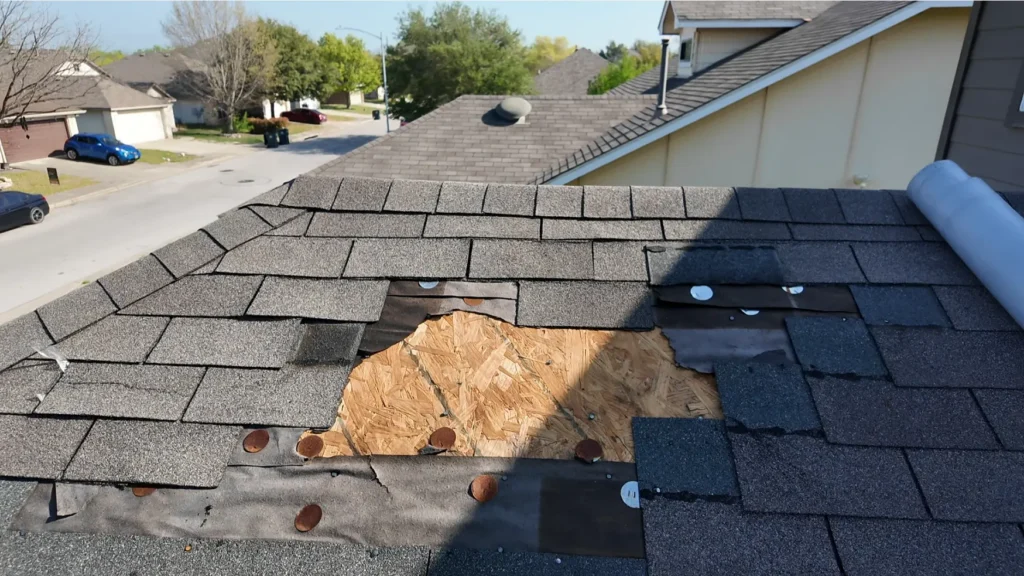
Summary
- Look for clusters of issues, not single defects, to judge replacement timing.
- North Texas weather speeds up roof aging; plan around spring hail and late-summer storms.
- Rising repair frequency and energy bills often signal end-of-life roofing.
- Commercial roofs show warning lines: ponding water, seam splits, and coating chalking.
- Age and installation quality matter more in Allen TX than brochure lifespans suggest.
Introduction
We work rooftops across Allen, the DFW Metroplex, and North Texas, and we see the same pattern every year: roofs don’t fail all at once. They give small, repeatable warnings. In our firefighter-founded, licensed general contractor practice, those warnings are clearest right before storm season and right after extreme weather swings.
Allen TX takes a beating—hail, strong sun, wind-driven rain, and fast temperature drops. That mix accelerates wear beyond what manufacturer brochures suggest. If you can read the signs early, you can choose the right time to repair or replace instead of reacting to a mid-storm leak.
Why roof condition matters in Allen and North Texas
In Allen and the broader DFW area, roof condition affects more than comfort. It influences resale price, insurance options, and even mortgage approvals. We’ve seen home closings delayed when a roof failed basic inspection, and commercial leases strained when persistent leaks disrupted operations. A strong roof in North Texas does three things: sheds sudden downpours, absorbs hail impacts without puncturing, and resists UV breakdown during the long hot months.
How local weather accelerates wear
- Hail: Bruises shingles, fractures mats, and dents metal. Damage can be subtle at first—granule displacement or soft spots that later open into leaks.
- UV and heat: Bakes oils out of asphalt shingles, causing brittleness and curling; chalks reflective coatings on commercial membranes.
- Wind: Uplifts shingles at eaves and rakes; strains flashing around chimneys, skylights, and wall transitions.
- Rapid temperature swings: Expand/contract cycles open seams on low-slope membranes and widen nail holes on shingles.
Exterior warning signs you can spot from the ground
Asphalt shingles
- Curling or cupping tabs: Often seen on south- and west-facing slopes in Allen; signals lost flexibility and nearing end-of-life.
- Granule piles in gutters: Normal in the first year, but heavy shedding later means protective coating is wearing thin.
- Bald or shiny spots: Hail bruises evolve into exposed mat; expect leaks to show after the next hard rain.
- Widespread cracking: Heat and age combo; patching scattered cracks rarely lasts through a storm season.
Metal and tile
- Backed-out fasteners on metal: Common after big temperature swings; leads to micro-leaks and rust trails.
- Oxidation red streaks: Protective coating gone; check around seams and panel laps for capillary leaks.
- Slipped or broken tiles: Usually from foot traffic or hail; even one missing tile can funnel water into the underlayment.
Flashing, vents, and edges
- Gaps at step flashing where roof meets walls: Wind-driven rain often enters here first.
- Cracked rubber pipe boots: Sun exposure in Allen makes these split around the 8–12 year mark.
- Loose drip edge at eaves and rakes: Early sign of wind uplift; watch for stains on soffits.
Photo-based examples (described)
- Photo 1: Close view of a shingle with a soft, dark bruise and missing granules—typical post-hail bruise that later becomes a pinhole leak.
- Photo 2: Metal roof lap seam with a lifted edge and thin rust line—capillary action can wick rain uphill into the seam.
- Photo 3: Pipe boot with a clean split at the top—sun cracking; the split faces uphill, allowing water intrusion during storms.
Quick comparison table: sign vs. likely decision
| Warning sign | Likely cause | Repair or replace? |
|---|---|---|
| Granules in gutters on a 15+ year shingle roof | UV aging, hail wear | Often replacement if widespread |
| Isolated cracked shingles on a 5–8 year roof | Heat stress or install issue | Targeted repair if limited |
| Multiple lifted shingles along edges | Wind uplift, fastening issues | Repair if localized; replace if recurring |
| Metal panel fasteners backing out | Thermal movement | Re-secure/seal; replace if frequent leaks persist |
| Flashing gaps at a wall transition | Movement, sealant failure | Repair flashing; consider replacement if chronic |
Interior clues homeowners and building owners miss
- Ceiling stains with sharp edges: Active leaks; brown halos often mean the leak has cycled through multiple storms.
- Attic damp insulation or matted batts: Wind-driven rain through ridge vents or nail holes; check after heavy north winds.
- Daylight at decking seams: Indicates gaps or shrinkage; common after repeated heat cycles in North Texas.
- Mildew smell after storms: Slow seeping around penetrations; sometimes from split pipe boots or unsealed fasteners.
If you need a deeper dive on early signs, see our breakdown on how to spot a roof leak early. It explains how small water tracks can predict bigger problems in the next heavy rain.
When repairs make sense vs. full replacement
We treat replacement as a last step. In Allen, repairs make sense when damage is isolated, the roof is younger than mid-life, and the shingle or membrane is still flexible. Replacement starts to win when repairs keep stacking up or the surface is brittle.
Repair-friendly situations
- One or two roof planes hit by a branch, but the rest is intact.
- Flashing failures at a chimney or wall—not widespread surface damage.
- Metal fasteners backed out, but panels are otherwise sound and coatings still adhere.
Replacement-leaning situations
- Age: 3-tab shingles past 12–15 years in North Texas exposure; architectural shingles past 18–25 depending on hail history.
- Repeated hail or wind claims: Coverage may become limited; insurers often push for comprehensive solutions.
- Patchwork appearance: Mismatched shingles across multiple years of repairs can hurt appraisal and resale.
- Decking damage: Soft spots, sagging, or widespread nail pull-throughs.
Roofing lifespan by material in North Texas (practical, not brochure)
| Material | Typical lifespan in Allen/DFW | What shortens it | What extends it |
|---|---|---|---|
| 3-tab asphalt | 12–18 years | Hail, poor ventilation | Balanced attic airflow; Class 4 upgrade on replacement |
| Architectural asphalt | 18–25 years | Repeated hail cycles | Proper nailing, ice/water at eaves/valleys |
| Impact-resistant asphalt (Class 4) | 22–30 years | Install shortcuts, UV on steep south slopes | Accurate shingle exposure and fastener depth |
| Standing seam metal | 30–50 years | Fastener/clip issues; galvanic corrosion | Quality underlayment and clip spacing |
| Clay/concrete tile | 30–50 years | Underlayment aging, foot traffic | Proper flashing at walls/valleys |
| Commercial TPO/EPDM | 15–25 years | Ponding, seam failure, UV | Good drainage, seam welding, periodic inspections |
| Coatings (over sound membrane) | 5–10 extra years | Applied over wet substrate | Moisture testing and surface prep |
Installation quality matters as much as material. We see roofs in Allen fail early from high nail placement, over-driven fasteners, and skipped ventilation. A well-installed mid-grade shingle can outlast a poorly installed premium shingle by years.
Cost warning signs: when the dollars tell the story
- Escalating repair bills: If a roof needs fixing after every major storm, you’re paying storm-by-storm for a roof that’s already at the end.
- Energy inefficiency: Attic heat spikes from poor ventilation or lost reflectivity on commercial roofs raise HVAC costs in North Texas summers.
- Insurance friction: Higher deductibles, limited wind/hail coverage, or inspection notes about “age-related wear” can foreshadow non-renewal.
Timing your replacement before Texas storm seasons
Spring brings hail, and late summer brings pop-up thunderstorms. Replacement often goes smoother in the late winter window or early fall—cooler temps for adhesives and more predictable schedules. Material availability can tighten after widespread hail events in the DFW Metroplex, so a small scheduling edge can keep you ahead of delays.
For more planning detail, see our notes on timing, budget, and material choices for roof replacement in North Dallas. The considerations match what we see in Allen and neighboring North Texas communities.
Specific commercial roof considerations
On low-slope commercial roofs around Allen, we look for patterns more than isolated defects. A quick walkthrough after a rain tells most of the story.
Drainage red flags
- Ponding rings: Dirt “bathtub” lines show where water sits for days. That shortens the life of TPO, PVC, and modified bitumen.
- Clogged scuppers and downspouts: Expect interior ceiling stains near exterior walls; heavy algae at scuppers is a clue.
- Crushed or low insulation: Foot traffic or wet polyiso boards cause depressions that collect water.
Membrane and coating issues
- Seam splits or fishmouths: Expansion/contraction at heat-welded seams; watch corners and T-joints.
- Blisters: Trapped moisture under the membrane or coating. Cutting and patching may fix it if the substrate is dry; if it’s widespread, plan for replacement.
- Chalking and loss of reflectivity: White membranes that feel powdery run hotter, increasing HVAC costs and aging the roof faster.
Penetrations and parapets
- Failing pitch pockets around pipes: Sealant shrinks in heat. If you can see cracking around the pocket, water is probably in.
- HVAC curb flashing wrinkles: Movement at curbs opens the first leaks—look under rooftop units for ceiling stains below.
- Satellite or sign mounts: Unplanned penetrations that were never flashed correctly.
From our experience, owners ask if an overlay will help. Sometimes it does. If the deck is sound, insulation dry, and ponding minimal, an overlay or new single-ply can work. If moisture is trapped beneath, overlays just lock in water. That’s why moisture scans and core samples matter before spending big.
Step-by-step checklist: checking your roof safely
Use this as a routine, not a ladder challenge. In North Texas wind and heat, ground-first checks are best.
- Walk the exterior after a storm: Photograph any missing shingles, visible edge lifting, or debris impacts.
- Check gutters and downspouts: Note granule piles and any gutter sag that points to fascia problems.
- Scan penetrations from the ground with binoculars: Pipe boots, vents, skylight frames, and chimney flashing.
- Look under the eaves: Peeling paint or soft soffits can indicate leaks at the edge.
- Enter the attic on a dry day: Look for daylight, dark stains on decking, and matted insulation.
- After rain, re-check the attic: Feel for damp insulation or wet sheathing; sniff for mildew.
- For commercial roofs, check drains and scuppers: Make sure water is moving and look for ponding rings.
- Document repeat offenders: The same leak location across multiple storms points to bigger system failure.
If you’re unsure about a stain or seam, keep a log with dates, rain totals, and photos. Patterns tell us more than any single snapshot.
What owners in Allen often overlook
- Edge metal and starter strip: Wind grabs here first; one loose strip can lift a whole row of shingles.
- Hidden hail bruises: You might see only a few; insurance adjusters often find dozens once the roof is walked.
- Flashing transitions at siding or stone: Mortar and sealant age faster in sun-facing walls in Allen.
- Tree overhangs: Shade slows drying after storms; trapped moisture invites algae and premature shingle decay.
- Ventilation balance: Powerful exhaust without intake pulls conditioned air from the house and still leaves hot spots in the attic.
How aging roofs affect property value and insurance in Texas
We see appraisers flag “functional age” in North Texas, especially after big hail years. Buyers discount offers for older roofs, and some lenders want proof of remaining life. Insurance carriers have also shifted: older roofs may get actual cash value (ACV) settlements instead of replacement cost, and higher wind/hail deductibles are common. Delaying replacement can move you into more restrictive coverage, even if the roof hasn’t leaked yet.
FAQs
What are the most reliable signs my roof in Allen TX needs replacing?
Multiple warning signs at once: widespread granule loss, brittle or curled shingles, repeated flashing leaks, and interior stains that return after repairs. On commercial roofs, add ponding rings and seam splits to the list.
Is it smarter to replace before or after hail season?
It’s situational. If your roof is near the end, replacing before spring can prevent interior damage and emergency calls. If it’s mid-life and sound, you may monitor through the season and re-evaluate after any hail events.
Do impact-resistant shingles really last longer in North Texas?
They resist hail damage better, which reduces early failure. Longevity still depends on correct nailing, ventilation, and exposure. We’ve seen Class 4 shingles last decades when installed right.
What about commercial roofs—repair or re-cover?
If moisture scans show dry insulation and the deck is solid, a re-cover or new single-ply can be cost-effective. If there’s trapped moisture or widespread seam failure, replacement is safer long-term.
How often should I inspect my roof?
Twice a year (pre- and post-storm seasons) and after significant hail or high-wind events. Short, regular checks prevent surprise failures.
Who should I trust for evaluation?
In our experience, local, licensed teams familiar with Allen and the DFW Metroplex read weather-related wear more accurately than out-of-area crews. If you compare assessments from multiple commercial roofing companies in allen texas, line up their photos and notes and look for agreement on patterns, not just price.
Bringing it together: reading the full picture
Roof replacement in Allen TX isn’t about one bad shingle. It’s about patterns that repeat in our North Texas weather—curling on sunward slopes, flashing gaps after wind, ponding lines on commercial membranes, and interior stains that return after quick fixes. When those patterns stack up alongside rising repair costs or insurance friction, replacement becomes the cleaner, cheaper path over the next storm season.
We’ve learned that timing matters. Plan around spring hail and late-summer storms. Respect what installation quality and ventilation do for lifespan. And remember: a photo log and simple attic checks tell a truer story than any single glance. That steady approach has helped many owners in the DFW Metroplex make decisions they don’t regret—whether that’s a targeted repair or a full, well-timed replacement. In short, the warning signs are there; it’s how you read them that protects your property.
For context from the local contractor side, we often compare notes with other commercial roofing companies in allen texas and see the same signals: weather patterns write the roof’s story, and early attention saves the most in North Texas.
