
What Roofing Materials Are Most Compatible with Solar Panels in Fairview, Texas?
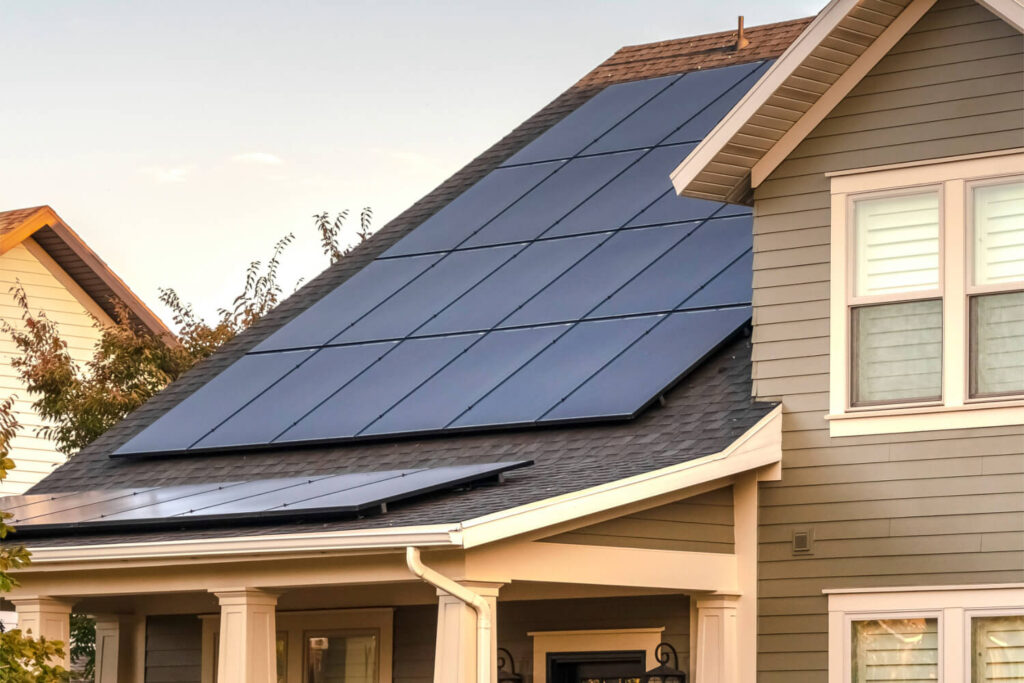
Summary
- Match solar lifespan to a roof that won’t need replacement mid-cycle
- Standing seam metal is the cleanest mount; new Class 4 asphalt works well
- Tile adds weight and labor; flat roofs need specific systems and engineering
- Time roof work before solar to avoid double labor and re-roof remount costs
Introduction
We roof homes across Fairview and the North Texas suburbs. We see every mix of roof material, slope, shade, and solar plan. The right pairing saves money and headaches. The wrong pairing creates leaks, callbacks, and early tear-offs.
Here’s how we look at roof-and-solar decisions in our area: heat, hail, wind, and code. We’ll walk through which materials take solar best, what to ask your solar installer, and how to time the work so you don’t pay twice. This is the same guidance we give when folks ask roofing contractors in Fairview Texas how to prepare for panels.
Why roofing material choice matters when planning solar in North Texas
- Penetrations: Most pitched roofs need anchors through the surface. Some materials handle that cleanly; others don’t.
- Heat and UV: Fairview summers are long and hot. Materials expand and contract. Mounts must keep seals intact.
- Hail and wind: We see large hail and occasional straight-line winds. Panels add sail area and puncture risk to weak roofs.
- Lifespan alignment: Solar arrays often run 25 years. If your roof won’t last that, you’ll pay to remove and reinstall panels to re-roof.
Roof lifespan, load tolerance, and solar compatibility
Solar adds dead load (modules, rails) and wind uplift forces. Most residential arrays add 2–4 pounds per square foot. That’s fine for most sound structures with proper mounting. The issues are roof surface durability, watertight penetrations, and how long the roof will last under and around the array.
| Roof type | Typical lifespan in North Texas | Solar mounting complexity | Best use notes |
|---|---|---|---|
| Architectural asphalt shingles (Class 3/4) | 18–30 years (Class 4 on the high end) | Moderate (flashed standoffs) | Good balance of cost and performance; easier service |
| Standing seam metal (26–24 ga.) | 35–50+ years | Low (clamp-on, no penetrations at seams) | Excellent; minimal leak risk; long service life |
| Clay/concrete tile | 30–50 years (underlayment often 20–30) | High (tile cuts, hooks, flashings) | Works, but heavy/fragile; labor and cost increase |
| Flat roofs (TPO/PVC/mod bit) | 15–30 years | Varies (ballasted, adhered, or anchored systems) | Feasible with proper system and engineering |
Common misconceptions we correct on jobs
“Any roof can handle panels equally well.”
Not true. Mounting method, leak risk, service access, and lifespan vary by material. Installers adapt, but roofs aren’t equal under solar.
“Asphalt is always cheapest and best.”
Asphalt can be the best value when new and impact rated. But if it’s aging or low-quality, you’ll pay more later. Metal can be smarter long-term.
“Solar installers handle the roofing side.”
Some do basic flashing. They don’t fix bad decking, weak rafters, or failing underlayment. Roof problems remain roofing problems.
Best and worst materials to install beneath PV systems
Asphalt shingles
Asphalt is common in Fairview. It takes flashed standoffs well when installed right. Choose architectural shingles with proper underlayment and new pipe boots. If your roof is more than 10–12 years old, it’s often smarter to re-roof before solar.
- Pros: Readily compatible, reasonable cost, easy service access
- Cons: Shorter lifespan than panels, hail wear, more penetrations than metal
If you’re pricing a re-roof, this guide on the cost to install an asphalt shingle roof in McKinney outlines common cost drivers just up the road from Fairview.
Standing seam metal
This is the cleanest pairing. Solar rails clamp to the seams. In many cases, no roof penetrations. The roof outlasts the array. You avoid disturbing the surface when adding or servicing panels.
- Pros: Minimal leak risk, long life, lower long-term disruption
- Cons: Higher upfront cost, thermal expansion requires correct clamp selection and spacing
In our climate, 24–26 gauge steel with a high-quality coating performs well. Thicker seams accept stronger clamps. Proper layout prevents oil-canning and keeps clamps within manufacturer specs.
Clay and concrete tile
Solar on tile needs planning. Tiles are brittle. Underlayment is the real water barrier and often ages faster than the tiles.
- Pros: Long tile life, good heat performance
- Cons: Heavier, fragile during work, specialized mounts, more labor, higher chance of cracked tiles during install/service
If your underlayment is older than 15–20 years, consider re-lathing and new underlayment before solar. The array makes future underlayment work harder and more expensive.
Flat roofing systems (TPO, PVC, modified bitumen)
Less common on Fairview homes, but we see them on additions and modern builds. Solar mounting can be ballasted (weights) or mechanically attached with special plates and flashings. Follow manufacturer-approved details to protect the membrane warranty.
- Pros: Easy array layout, low-profile appearance
- Cons: Needs engineering for wind uplift, ballast can strain structure, penetrations must be detailed carefully, drainage and roof traffic must be managed
Retrofitting an existing roof vs. planning a new roof for solar
It’s usually cheaper to align the roof and solar schedule than to retouch the roof later. Removal and reinstallation (R&R) of a solar array to re-roof adds cost and time.
| Scenario | What happens | Cost impact |
|---|---|---|
| Old roof + new solar | Panels go on; roof fails in 5 years | Pay for R&R of panels plus full re-roof sooner |
| New roof (Class 4 asphalt) + solar | Longer roof life, fewer surprises | Higher upfront roof cost, lower lifecycle cost |
| Standing seam metal + solar | Clamp-on racking, little roof disruption | Highest upfront, lowest long-run interference |
What to confirm with a solar installer before choosing roofing
- Mounting method: Standoffs and flashings, tile hooks, seam clamps, or ballast? Get the exact system name.
- Wind design: What wind speed and exposure are used for engineering? Fairview’s design wind speeds matter.
- Load: Added dead load per square foot and total anchors. Confirm rafter spacing compatibility.
- Roof penetrations: Count, flashing type, sealants, expected service life.
- Maintenance plan: How will panels be serviced without damaging the roof?
- Conduit paths: Preferred routes to avoid cutting into new roofing later.
- Layout: Clear zone around ridges, hips, valleys, and vents. Plan for future vent relocations if needed.
Fairview and North Texas-specific climate concerns
- Hail: Class 4 impact-rated shingles reduce damage risk. Panels can take hail but the roof must also hold up. Hail can bruise shingles around mounts if the shingle is old or brittle.
- Heat: Roof surfaces cycle hard from May through September. High temp swings stress seals and flashing. Quality underlayment and correct fasteners matter.
- Wind: Straight-line winds create uplift on arrays. Use engineered rail spacing and correct fastener embedment. Ridge and eave areas need special attention.
- Code and permits: Expect a roofing permit for re-roof and a separate permit for PV. Inspectors in Collin County will look for proper flashing, attachment, and labeling.
Longevity: solar panel systems vs. roofing lifespan
Most panels and inverters are planned around 25 years of production with some component swaps. Match that with a roof that can go the distance. In Fairview, that often means either:
- A new Class 4 architectural shingle roof with upgraded underlayment and flashings, or
- A standing seam metal roof with clamp-on mounting.
Tile can work, but plan for underlayment refresh first. Flat membranes can work with the right details, but pay attention to warranty terms when penetrated.
Timing issues that avoid double labor costs
- Re-roof before solar if your shingles are past half-life or storm-worn.
- Coordinate vent moves and skylight work ahead of panel layout.
- If you must re-roof after solar, budget for solar R&R labor and schedule both trades together to limit downtime.
Signs your current roof must be replaced before solar
- Granule loss, exposed asphalt, or curled shingle edges
- Multiple past repairs, soft decking, or nail pops
- Valley leaks, brittle sealant around penetrations
- Tile roofs with aging or failed underlayment felt
- Flat membranes with ponding, blisters, or seam failures
Roofing upgrades that make future solar easier
- Decking: Replace rotten or thin decking; re-nail to current code for better fastener bite.
- Underlayment: Use high-temp synthetic or peel-and-stick at valleys and penetrations; it holds up under rail shade and heat.
- Flashing kits: Choose PV-specific flashings with metal base and integrated gaskets for asphalt.
- Metal seam choice: For metal, use standing seams compatible with known clamp systems; verify seam profile and gauge.
- Vent layout: Shift vents away from the main south or west plane to clear space for arrays.
- Conduit paths: Pre-plan a chase to the attic and service panel to keep penetrations minimal.
What we recommend homeowners in Fairview consider before committing
Budget and timeline decide a lot. If you’re set on installing solar soon and your shingle roof is older than 10 years, price a re-roof first. New Class 4 architectural shingles with quality underlayment give a clean base and reduce future R&R costs. If long-term ownership is the plan and the budget allows, standing seam metal aligns best with a 25-year array.
Tile is viable but expect higher labor and tile handling during install and service. For flat roofs, choose a solar mounting approach that your membrane manufacturer supports. Document every detail for warranty purposes.
Local homeowners often vet roofing contractors in Fairview Texas to coordinate vent moves, layout, and deck repairs ahead of solar bids. If you’re comparing materials by durability and cost in our region, this breakdown of the best roofing material to get for my house in Frisco adds context to North Texas choices.
Quick comparison: benefits and drawbacks
| Material | Benefits under PV | Drawbacks under PV |
|---|---|---|
| Asphalt shingles | Affordable, well-understood flashing, easy service | More penetrations, shorter lifespan than panels |
| Standing seam metal | No-seam-penetration clamps, long life, low leak risk | Higher initial cost, needs correct clamp/seam pairing |
| Clay/concrete tile | Durable tile, good heat performance | Fragile during work, heavy, complex mounts, underlayment aging |
| Flat membranes | Flexible layout, low profile | Engineering for wind/ballast, membrane warranty concerns |
FAQs
Can flat roofs support panels in Fairview?
Yes, with the right system and engineering. For TPO or PVC, consider adhered or mechanically attached racking that your membrane manufacturer approves. Ballasted systems add weight—confirm structure, drainage, and parapet height. Plan walkway pads for service.
Is asphalt safe for solar mounting long-term?
On a new or near-new architectural shingle roof, yes—when using quality flashings and correct fasteners. In our heat and hail, Class 4 shingles and high-temp underlayment help. Avoid mounting on brittle or patched shingles; that’s where leaks start.
Is metal worth the higher initial cost?
If you plan to stay long term or want minimal roof disturbance, standing seam metal usually pays off. Clamps avoid penetrations at the seams, the roof outlasts the array, and service work is cleaner. Upfront cost is higher, so it depends on ownership timeline and budget.
Conclusion
In Fairview’s heat, hail, and wind, the best roofs under solar are new Class 4 architectural shingles with solid underlayment or standing seam metal with clamp-on rails. Tile and flat systems work when the details and sequencing are right. Align the roof’s lifespan with the array’s, set the mounting method in writing, and plan the timing to avoid R&R costs. That’s what lasts on our side of North Texas.
