
Does a Ceiling Stain Under a Vent Pipe Mean a New Roof or Roof Repair in Allen, TX?

The situations described here are composites drawn from the types of jobs and decisions we encounter regularly. Names and specific figures are illustrative.
This is a roof repair in Allen, TX story about a 2012 two-story house near Twin Creeks with its original architectural shingle roof, now 14 years old. After the first heavy rain of October, a brown ring about the size of a dinner plate showed up on the ceiling of the upstairs hall bathroom. A roofer who had been knocking on doors in the neighborhood looked at it from a ladder and quoted a full replacement at $16,500. The homeowners wanted to know whether one stain meant a new roof. The answer came down to one rubber part on one pipe, and it cost a small fraction of that quote.
What the stain was sitting under
The first thing worth doing with a ceiling stain is figuring out what is directly above it. In this house, the hall bathroom sits under the back slope of the roof, and the bathroom’s plumbing vent comes up through the shingles about four feet from where the stain was. That is a common pattern. A plumbing vent is a pipe that runs from the drain lines up through the attic and out the roof, and every one of those pipes is a hole in the roof that has to be sealed.
The building code treats that seal as part of the roof, not an accessory. The 2021 International Residential Code requires flashing at wall and roof intersections, at changes in roof slope or direction, and around roof openings[1]. On most houses in Collin County, the flashing around a plumbing vent is a pipe boot: a metal or plastic base that slides under the shingles above it, with a rubber collar that hugs the pipe. If that boot cracks or wears out, the seal breaks and water can get into the home[2].
The homeowners had not noticed anything during the summer. That made sense once we were on the roof. A split collar can sit there through months of dry weather without letting in a drop. The first rain that runs hard down that slope finds the gap, the water follows the pipe into the attic, soaks the insulation, and eventually shows up as a ring on the drywall below.
Two quotes for the same ceiling
The door-to-door quote was not dishonest on its face. A 14-year-old roof in North Texas is old enough that replacement is a fair topic. The problem was that nobody had looked at the shingles closely, gone into the attic, or explained why a full roof was the fix for one stain. The homeowners called us for a free roof inspection with photos before signing anything.
On the roof, the shingles were worn but still doing their job. Granule loss was moderate and even, the tabs were sealed, and the test squares on each slope did not show the kind of hail bruising that would point to a storm claim. The rubber collar on the bathroom vent had split on the uphill side, and the gap was wide enough to slide a fingernail into. A second boot, on the kitchen vent, had surface cracks but no open split. A third boot on the front slope looked fine.
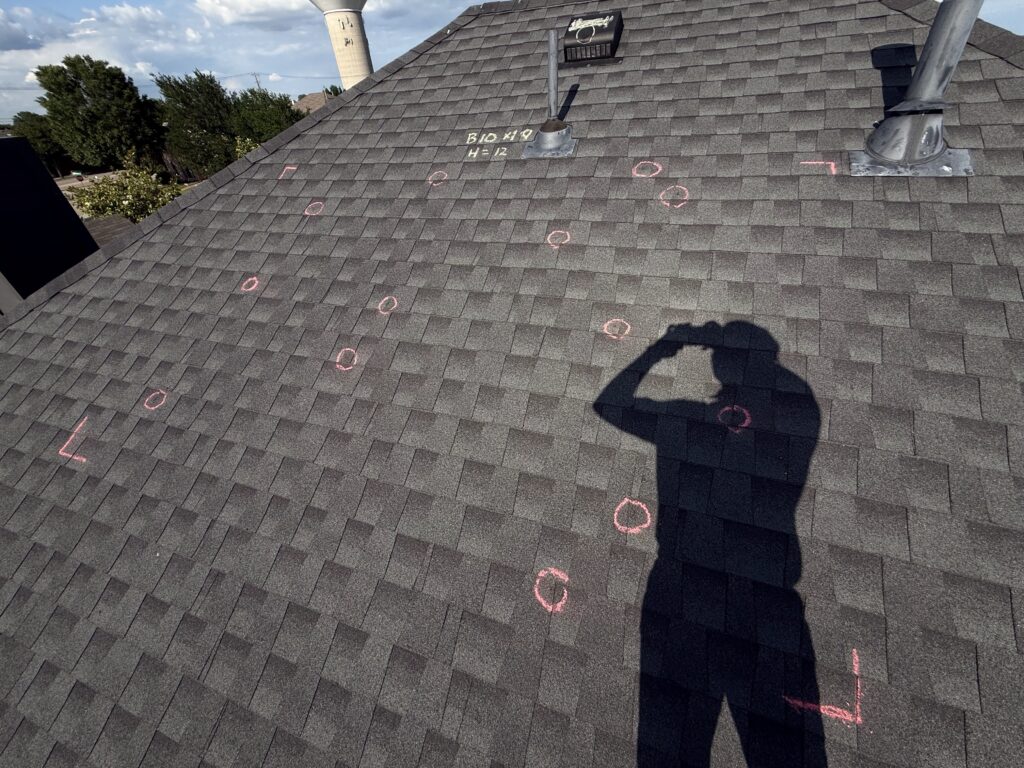
Here is how the two options lined up once the inspection was done.
| Option | What it fixed | Cost on this job |
|---|---|---|
| Full roof replacement (door-to-door quote) | The leak, plus shingles that still had some years left | $16,500 |
| Replace the split boot and the cracked boot, check the third | The leak and the next most likely leak | $640 |
| Typical range for a damaged vent boot repair | One leaking vent | $100 to $600[2] |
The job figures above are illustrative. The range in the last row is a national cost guide figure, not a local price list, and it shifts with roof pitch, how many boots are involved, and whether anything under the shingles has rotted.
The decision at the kitchen table
The homeowners had a reasonable worry. If the roof is 14 years old anyway, is a $640 repair just money thrown at something that gets torn off in a few years? We walked through it with the photos on the table. Replacing a roof that still sheds water, to fix one failed part, would mean paying for years of shingle life they had not used yet. And a boot repair does not lock them into anything. When the roof does get replaced, the code’s reroofing section requires existing flashings, vents and similar devices to be replaced where they are rusted, damaged or deteriorated[1], so every penetration gets looked at again at that point.
“The code requires flashing around every opening in the roof, so that little rubber boot is doing a real job.[1] We inspect for free and take photos of what we find, so the homeowner can see whether it’s one part that failed or the whole roof.”
Don Scott, Co-Founder, Fireman’s Roofing
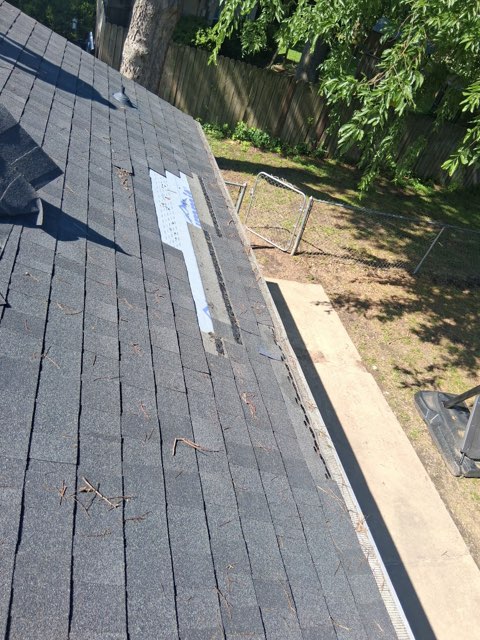
They chose the repair. The crew lifted the shingles above each of the two failing boots, pulled the old boots, slid new ones in with the base under the upslope shingles, and fastened and sealed the shingles back down. The third boot was left alone because there was nothing wrong with it. The details of how we scope that kind of work are on our roof repair service page.
What the water had already done inside
Fixing the boot stops new water. It does nothing about the water already in the attic. In this house, the fiberglass batts under the vent were wet in a patch about two feet across, and the decking around the pipe was stained but still firm when pressed. The bathroom ceiling drywall had a ring but no sagging, and the tape seams were intact.
The EPA’s guidance on water damage is built around responding within 24 to 48 hours, with the aim of acting before mold growth starts[3]. That guidance also separates materials that can be dried from materials that should go.
| Material | EPA guidance | What happened on this job |
|---|---|---|
| Fiberglass insulation | Discard and replace[3] | The wet batts came out and new batts went in |
| Ceiling drywall (wallboard) | May be dried in place if there is no obvious swelling and the seams are intact[3] | Dried in place with a fan in the attic, then stain-blocked and painted |
| Wood surfaces | Remove moisture immediately; dry with dehumidifiers, gentle heat and fans[3] | Decking around the pipe was dried and checked again a week later |
EPA also notes that its guidance is meant for clean water. Rain coming through a roof usually fits that, but if a leak has been running into a wall cavity for weeks, or the drywall is soft and sagging, the answer changes and it may be time to bring in a remediation company.
The questions that came up while the crew was on the roof
The first one was about insurance. The homeowners asked whether they should file a claim for the ceiling. The Texas Department of Insurance is direct on this point: companies won’t pay for damage that happens over time, like rotted boards, cracking window seals or worn roofs[4]. A rubber collar that split from age falls on that side of the line. The Office of Public Insurance Counsel gives the same advice in plainer form, that the best way to avoid costly damage is to maintain the home and fix problems as soon as you see them[5]. If the boot had been knocked loose by a named storm or a falling limb, that would be a different conversation with the carrier.
The second question was whether they could have just put caulk around the crack. People do it, and it sometimes holds for a season. The trouble is that sealant smeared over a split collar is sitting on rubber that is already failing, and it hides the problem from whoever looks next. On this roof, the boot itself was the worn part, so the boot was what got replaced.
The third was why the leak only showed up now. The honest answer is that the crack was probably there for a while. Summer storms in Collin County are often short and hard, and an October rain that falls steadily for hours is the kind of event that finds a slow path through a small gap. That is also why the stain was the first sign. Water can sit in insulation for some time before it reaches the drywall.
The last question was the one most people ask: how do you know when it is time to stop repairing? On this house, the signs that would change the answer were not there yet. No widespread granule loss down to the mat, no hail damage across multiple slopes, no soft decking beyond the one stained spot. If those start to show up, or if the leaks start coming from places other than penetrations, a replacement starts making more sense than chasing repairs. We wrote more about early warning signs in how to spot a roof leak before it becomes a big problem.
Where it landed a month later
The bathroom ceiling stayed dry through the rest of the fall rains. The stain was blocked and painted, and the attic patch was dry when it was checked a week after the repair. The homeowners set aside part of what they did not spend on the full roof, and they plan to have the roof looked at again after next spring’s hail season, when a replacement decision will be based on what the shingles actually look like rather than on a stain.
There was some regret in it too. The stain had been faint for a few weeks before anyone paid attention, and that is why the insulation had to be replaced instead of just dried. A ceiling ring under a vent is worth a look from the attic side the same week it shows up.
What this kind of leak usually means
A stain under a plumbing vent on an older roof is not proof the roof is finished. Often it points to a single part with a shorter life than the shingles around it. Whether that holds for your house depends on what the rest of the roof shows, and on whether anyone has actually gone into the attic. If the inspection finds one failed boot on a roof that otherwise sheds water, roof repair in Allen, TX usually means fixing that part and drying what got wet. If it finds wear everywhere, the replacement conversation is a fair one to have.
If you are dealing with a leak like this in Allen, our Allen roofing services page is a good place to start.
Sources
- 2021 International Residential Code, Chapter 9: Roof Assemblies (Sections R903.2.1 and R908.5), International Code Council, 2021
- How Much Does It Cost to Repair a Roof Leak?, Fixr, 2026
- Mold Remediation in Schools and Commercial Buildings Guide: Chapter 4 (Table 1, Water Damage Cleanup and Mold Prevention), U.S. Environmental Protection Agency
- What Your Home Policy Won’t Cover, Texas Department of Insurance
- 5 Things Your Homeowners Insurance May Not Cover, Texas Office of Public Insurance Counsel
