
Can a Roofer Really Cover Your Deductible After Hail Damage Roof Repair in McKinney, TX?

The situations described here are composites drawn from the types of jobs and decisions we encounter regularly. Names and specific figures are illustrative.
The flyer was zip-tied to the mailbox two days after the hail came through. It promised a free roof inspection and, in larger type, a free deductible. The homeowner, who had lived in the same house east of Highway 75 for about nine years, stood at the curb reading it and thought about the granules she had found in the downspout that morning. Looking into hail damage roof repair in McKinney, TX was already on her list. The word free had a way of making the rest of it feel simple.
What the flyer was really offering
In Texas, a contractor who offers to waive, rebate or absorb a policyholder’s insurance deductible is breaking the law. The Texas Department of Insurance says so plainly in its consumer guidance on roofing and insurance, and it adds that state law requires contracts of $1,000 or more that involve an insurance settlement to include a notice that the policyholder must pay the deductible. Chapter 707 of the Insurance Code is the rule behind that notice, and it lets insurers ask for proof that the deductible was paid.
The reason is practical as well as legal. A roofer who quietly eats the deductible has to make the money back somewhere, and the usual places are inflated line items on the estimate or thinner materials on the roof. The insurer pays on the claim as filed, so the homeowner can end up with a claim record built on numbers that do not match the work. A homeowner in that position would probably say the offer sounded generous until she understood who it was actually protecting.
Reading her own policy
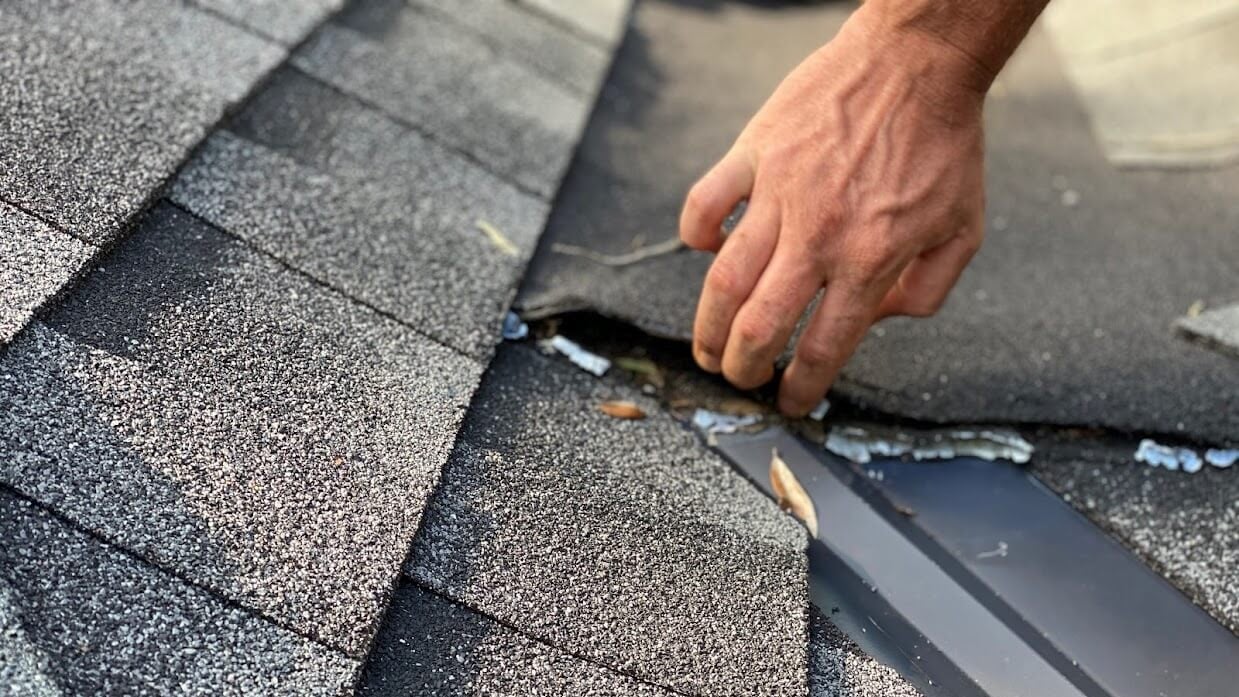
She pulled out the policy and looked for the wind and hail section. It did not list a flat dollar deductible. It listed a percentage. Many Texas homeowners policies set the wind and hail deductible as a percentage of the insured dwelling value, commonly somewhere between 1 and 5 percent, and 2 percent has become a common figure in hail-heavy North Texas. On a home insured for $400,000, a 2 percent deductible is $8,000. That is a very different number from the $1,000 she had assumed, and it explains why the flyer’s promise sounded so good.
The percentage matters for a second reason. A deductible of several thousand dollars means that smaller hail damage may cost less to repair than the deductible itself. In that case a claim may produce no payment, and the better decision can be to repair the damage out of pocket. An honest inspection should tell a homeowner which side of that line her roof sits on. Our page on roof inspection services in McKinney describes what a documented inspection includes before anyone talks about a claim.
What the insurer is required to do, and when
She called her insurance company the same afternoon and opened a claim. Texas Insurance Code Chapter 542, often called the prompt payment statute, puts the insurer on a clock. Within 15 days of receiving notice of a claim the insurer must acknowledge it, begin its investigation and request the items it needs from the policyholder. Within 15 business days after it has received everything it asked for, it must accept or reject the claim in writing, and if it rejects, it must say why. If it needs more time it has to tell the policyholder, and it then has up to 45 days after that notice to decide. Once it says it will pay, payment is due within five business days.
Those deadlines are the insurer’s, not the homeowner’s, and knowing them changes how a claim feels. A silence of three weeks is not normal, and a homeowner is entitled to ask where the file stands. The homeowner has her own deadlines too. Some policies require notice within a year and others are shorter for certain damage, so the policy language controls. Waiting until the following summer to file can put a legitimate claim at risk.
Who stands in the middle
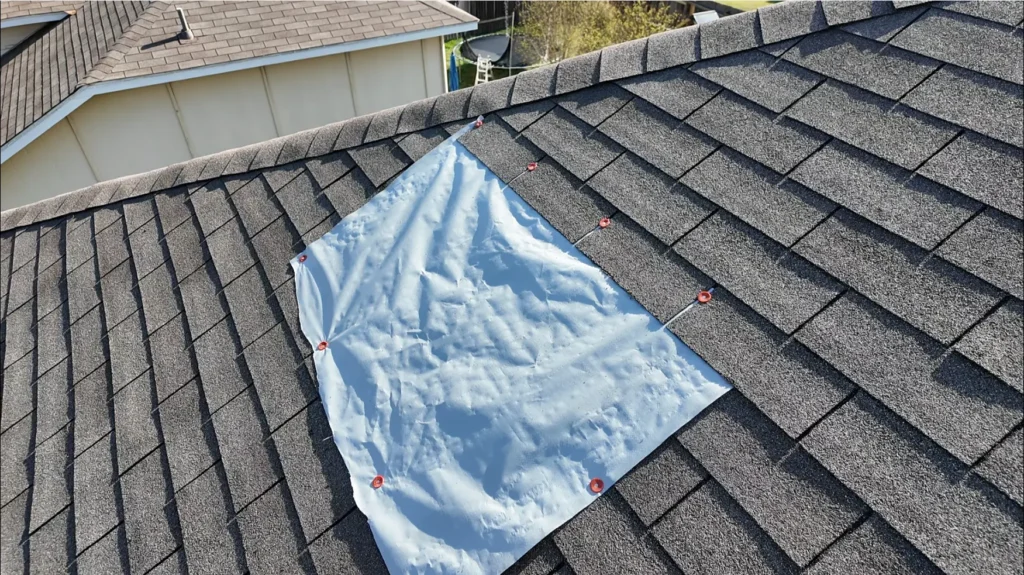
The adjuster came out a week later, walked the roof for about forty minutes and marked a handful of test squares. The homeowner had asked a local roofing company to look at the roof the day before, and the inspector there had photographed bruised shingles on three slopes, with the worst damage on the south and west faces, which is where North Texas hail usually arrives. The inspector did not tell her what the claim should be worth. That restraint is required. Texas Insurance Code section 4102.163 bars a contractor from acting as a public adjuster or advertising to adjust claims on property the contractor is working on or might work on.
What a roofer can properly do is document the roof and explain the repair scope. That means photographs of each slope, a count of damaged shingles per test square, notes on collateral damage such as soft metals and vents, and a written estimate that separates what is hail damage from what is age and wear. The adjuster’s report and the contractor’s report will not always agree, and when they do not, the documentation is what lets everyone talk about the same roof. Our write-up for hail damage roof repair explains how the two sets of findings are usually reconciled.
The estimate, the gap, and the decision
In this illustration the insurer’s estimate came back lower than the contractor’s, mostly because it scoped a repair on two slopes while the inspection had found damage on four. The homeowner asked for a re-inspection with the contractor’s photos attached. The insurer revised the estimate to a full replacement. With a 2 percent deductible on a $400,000 dwelling, her share was $8,000, and she paid it. The roofing company’s contract carried the notice about the deductible, and she kept the receipt in case the insurer asked for proof.
The choice between a repair and a full roof is not always this clear. Hail that bruises the mat but leaves the granules mostly intact can look like a candidate for repair, and the right answer depends on the number of damaged shingles per slope and on whether the roof is old enough that a repair would not hold. For a roof near the end of its life, a roof replacement is often cheaper over ten years than patching, even after the deductible.
Why October is a good month to sort this out
Hail season in North Texas is mostly spring, but October is when homeowners find out what the spring cost them. A leak that appears with the first cold rain, a ceiling stain that was not there in August, or a gutter full of granules all point back to earlier storms. Insurers also ask when the storm date was, and claim timelines get harder to defend as the months pass. Inspecting now, before winter, keeps the paper trail clean. We covered the new-construction side of this in a story about a brand-new McKinney home that still needed a roof inspection.
A final point from the story. Before she signed anything, the homeowner called the insurer’s claims line and asked one question: does this policy have a separate percentage deductible for wind and hail? That single question showed her the real number, cut the flyer’s promise down to size, and let her decide on the basis of her own policy, not a stranger’s pitch.
What the story leaves behind
Free is rarely free in an insurance claim. A homeowner who knows her deductible, the insurer’s deadlines and the limits on what a contractor can say is in a stronger position than one who simply signs the first contract that arrives. Treat hail damage roof repair in McKinney, TX as a process with three separate people, the insurer who pays, the adjuster who measures and the roofer who repairs, and keep those roles apart.
If you’re looking for storm damage roof repair in McKinney, you can reach out here.
Sources
- Texas Department of Insurance: Roofing and Insurance, Know the Law
- Texas Statutes: Insurance Code, Chapter 542 (Processing and Settlement of Claims)
- Texas Statutes: Insurance Code, Chapter 707 (Payment of Insurance Deductible)
- Texas Department of Insurance: Tips for Homeowners with a Damaged Home
- United Policyholders: Texas Is Entering Peak Hail Season
